
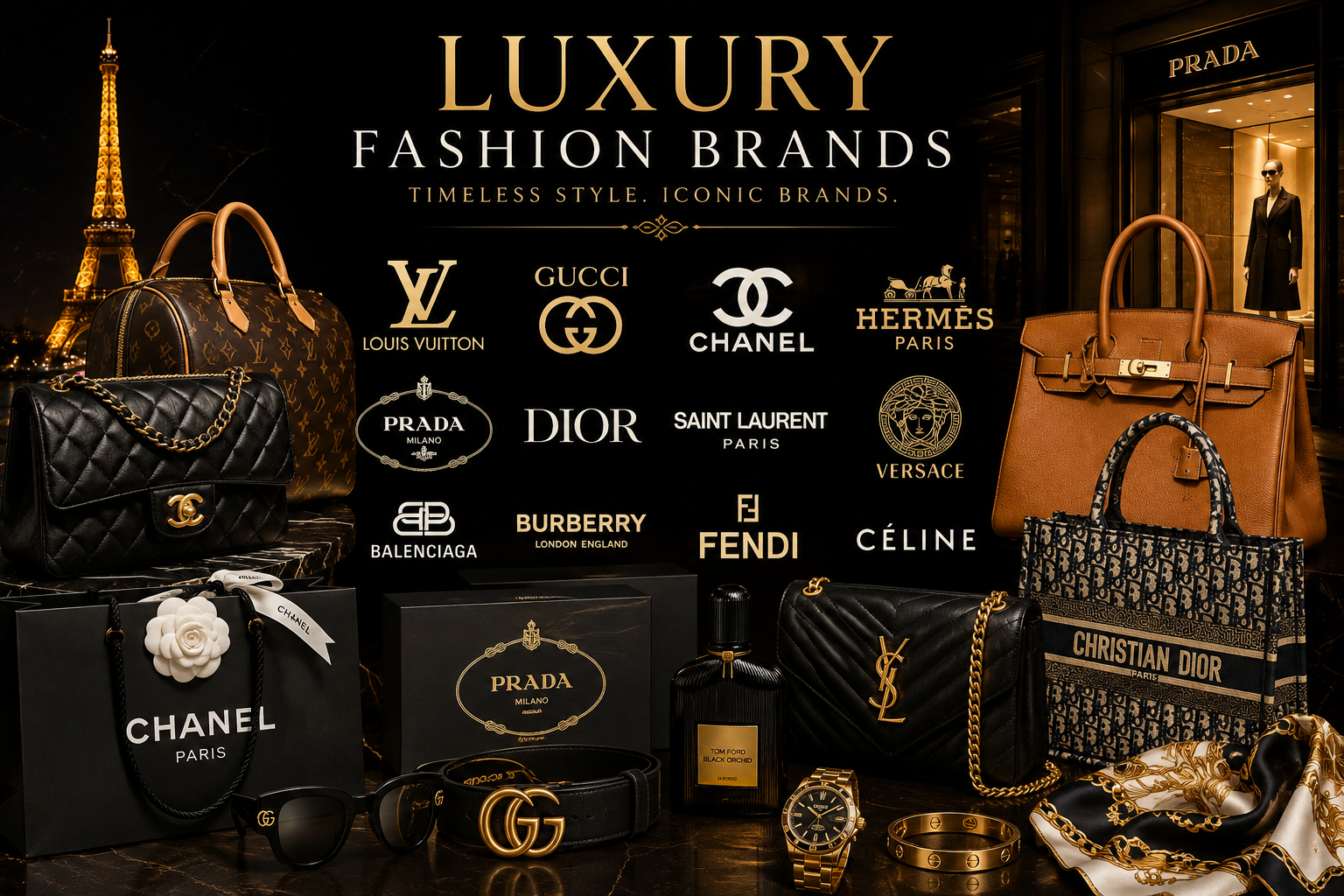
Luxury fashion has always been about more than simply wearing expensive clothes. A beautifully constructed jacket, a carefully finished handbag, or a distinctive pair of shoes can reflect years of craftsmanship, design heritage, and creative direction.
Today, luxury fashion brands influence everything from runway collections and celebrity wardrobes to street style and everyday fashion. Some labels are recognized for timeless designs, while others are known for bold experimentation and changing the way people think about clothing.
But what actually makes a fashion brand luxurious? Is it the price, the materials, the history, or the exclusivity?
Usually, it is a combination of all of these factors. This guide explores the world’s leading luxury labels, what separates them from ordinary fashion brands, and how to choose luxury pieces that genuinely fit your personal style.
What Are Luxury Fashion Brands?
Luxury fashion brands are high-end fashion houses that generally combine premium craftsmanship, distinctive design, heritage, exclusivity, and strong brand identity.
Unlike fast fashion, luxury fashion typically focuses on carefully developed collections rather than producing large quantities of inexpensive products. Many luxury houses also have a long history and a recognizable visual identity.
Luxury fashion can include:
- Designer clothing
- Handbags and leather goods
- Luxury footwear
- Watches and jewelry
- Accessories
- Haute couture
- Fragrances and beauty products
The meaning of luxury has also evolved. While traditional luxury was strongly associated with rarity and price, modern consumers increasingly consider craftsmanship, quality, design originality, and responsible production when evaluating premium products.
What Makes a Fashion Brand Luxury?
Not every expensive fashion label is necessarily considered a luxury house. Several characteristics usually contribute to a brand’s luxury positioning.
Exceptional Craftsmanship
Quality craftsmanship is one of the strongest foundations of luxury fashion.
Luxury garments and accessories may involve detailed stitching, carefully selected materials, specialized construction techniques, and extensive finishing. Some products require skilled artisans who have spent years developing their craft.
Distinctive Design
Luxury brands often have visual characteristics that make their products recognizable.
For example, a fashion house may become known for a particular silhouette, logo, pattern, color combination, or approach to tailoring. This consistency helps create a strong identity that customers can recognize across different collections.
Heritage and History
A long history can add considerable cultural value to a fashion house.
Many established brands have evolved over decades or even centuries. Their archives provide designers with references that can be reinterpreted for modern audiences.
Exclusivity
Luxury fashion traditionally relies on a sense of scarcity and exclusivity.
Limited collections, carefully controlled distribution, specialized boutiques, and premium pricing can make certain products feel more distinctive. However, exclusivity is not the only factor that defines luxury.
Creative Influence
The strongest fashion houses often influence trends rather than simply follow them.
Their runway collections can introduce new silhouettes, materials, colors, or styling ideas that eventually appear throughout the wider fashion industry.
Most Famous Luxury Fashion Brands
The luxury fashion landscape includes numerous influential houses, each with its own identity and design language.
| Luxury Brand | Known For |
|---|---|
| Chanel | Classic handbags, tweed, timeless elegance |
| Louis Vuitton | Leather goods, luggage, monogram designs |
| Gucci | Bold styling, accessories, Italian craftsmanship |
| Dior | Couture, elegant silhouettes, sophisticated fashion |
| Prada | Minimalism, innovation, modern design |
| Hermès | Leather craftsmanship, handbags, scarves |
| Burberry | British heritage, outerwear, signature checks |
| Versace | Bold prints, glamour, statement designs |
| Saint Laurent | Sharp tailoring and modern sophistication |
| Valentino | Couture-inspired elegance and romantic designs |
These brands appeal to different audiences. Someone who prefers understated tailoring may gravitate toward one label, while a shopper interested in dramatic patterns or statement accessories may prefer another.
Luxury Fashion Brands by Style
There is no single definition of luxury style. Different fashion houses appeal to different tastes.
Classic and Timeless
If you prefer clothing that remains relevant for years, look for brands recognized for traditional silhouettes, refined materials, and understated details.
Classic luxury pieces often include:
- Tailored coats
- Structured handbags
- Leather shoes
- Simple dresses
- Fine knitwear
- Neutral-colored accessories
These items can become long-term wardrobe staples instead of short-lived trend pieces.
Bold and Contemporary
Some luxury brands take a more experimental approach. They may use striking prints, unusual proportions, vibrant colors, or unexpected combinations of materials.
This style works particularly well for people who see clothing as a form of creative expression.
Minimalist Luxury
Minimalist fashion focuses on clean lines, restrained colors, subtle branding, and strong construction.
It can be an excellent choice if you want luxury pieces that are easy to combine with other items in your wardrobe.
A broader understanding of modern fashion can also help when deciding how luxury pieces fit into everyday dressing. For practical advice on trends, wardrobe building, and personal style, this fashion guide offers useful context.
Why Do People Invest in Luxury Fashion?
Luxury fashion can be expensive, so why do people choose it over more affordable alternatives?
Quality and Longevity
A well-made garment or accessory can potentially remain useful for many years when properly maintained.
Consumers who value longevity may prefer buying fewer high-quality pieces rather than constantly replacing lower-cost products.
Design and Identity
Fashion can communicate personality.
A particular designer label may represent a person’s preferred aesthetic, whether that is classic, minimalist, artistic, glamorous, or contemporary.
Craftsmanship
For some buyers, the attraction comes from understanding how an item was made. Hand-finishing, detailed construction, premium leather, and specialist techniques can give a product a level of character that mass-produced items may not provide.
Cultural and Creative Value
Luxury fashion is closely connected to art, design, music, film, and popular culture. Major runway collections and designer collaborations can become important cultural moments.
How to Choose the Right Luxury Fashion Brand
Buying luxury fashion should be about more than choosing the most recognizable logo.
Consider these factors before making a purchase:
1. Define Your Personal Style
Think about the clothing you already enjoy wearing.
Do you prefer:
- Classic tailoring?
- Minimalist designs?
- Bold statement pieces?
- Romantic silhouettes?
- Streetwear-inspired fashion?
Knowing your style makes it easier to identify brands that genuinely suit you.
2. Consider Cost Per Wear
A high price does not automatically make an item a good investment.
Instead, consider how frequently you will actually wear it. A versatile coat that works with dozens of outfits may offer more practical value than a dramatic piece that rarely leaves your wardrobe.
3. Examine Quality
Look closely at stitching, materials, hardware, lining, construction, and finishing.
Don’t rely solely on the brand name.
4. Think About Versatility
Neutral colors and classic silhouettes are often easier to style repeatedly.
If you are buying your first luxury item, a versatile handbag, coat, shoes, or tailored piece may be more practical than a highly seasonal trend.
Luxury Fashion and Modern Technology
Technology has changed how designers create and present fashion.
Modern fashion design software can help designers develop sketches, experiment with colors and materials, create patterns, and visualize garments before producing physical samples. This can make the design process more efficient while giving creators greater freedom to experiment.
For anyone interested in the connection between fashion and digital creativity, this guide to fashion design software explains how modern tools can support sketching, pattern creation, fabric visualization, and digital garment development.
Technology is not replacing the creative side of fashion. Instead, it gives designers additional ways to test ideas and refine their work.
Tips for Buying Luxury Fashion
If you’re considering your first luxury purchase, keep these practical tips in mind:
- Research the brand’s history and design identity.
- Choose quality over a recognizable logo.
- Think about how often you will use the item.
- Check sizing and measurements carefully.
- Learn how to care for the material properly.
- Buy from reputable retailers or authorized sources.
- Avoid purchasing simply because something is trending.
- Choose pieces that work with clothes you already own.
Luxury should feel personal. The best purchase is usually something you genuinely enjoy rather than something selected purely because other people consider it desirable.
Key Takeaways
- Luxury fashion combines craftsmanship, design, heritage, quality, and exclusivity.
- Famous luxury houses include Chanel, Louis Vuitton, Gucci, Dior, Prada, Hermès, Burberry, Versace, Saint Laurent, and Valentino.
- Different brands appeal to different fashion preferences and lifestyles.
- A higher price does not automatically mean better quality.
- Versatility and cost per wear are useful considerations when buying luxury pieces.
- Technology is becoming an important part of modern fashion design.
- Personal style should matter more than simply following trends.
- Proper care can help high-quality fashion pieces remain useful for longer.
FAQs
What are luxury fashion brands?
Luxury fashion brands are high-end designer labels known for premium craftsmanship, distinctive designs, heritage, quality materials, and exclusivity. They often produce clothing, accessories, handbags, footwear, jewelry, and other premium products.
Which are the most famous luxury fashion brands?
Some of the world’s best-known luxury fashion houses include Chanel, Louis Vuitton, Gucci, Dior, Prada, Hermès, Burberry, Versace, Saint Laurent, and Valentino.
What makes a fashion brand luxurious?
Luxury positioning usually comes from a combination of craftsmanship, quality materials, design identity, heritage, exclusivity, creative influence, and premium customer experience.
Are luxury fashion brands worth the money?
It depends on the individual purchase. A luxury item may be worthwhile if you value its craftsmanship, design, durability, and how frequently you will use it. A high price alone does not guarantee better value.
Which luxury fashion brand is best for classic style?
Several luxury houses are associated with classic and timeless aesthetics. The right choice depends on whether you prefer traditional tailoring, understated accessories, elegant silhouettes, or another interpretation of classic fashion.
How should I choose my first luxury fashion item?
Start with something that matches your existing wardrobe and personal style. Consider versatility, construction, material quality, expected frequency of use, and long-term appeal before making a purchase.
Is luxury fashion only about expensive clothing?
No. Luxury fashion also includes handbags, footwear, jewelry, watches, accessories, fragrances, couture, and other premium products. More broadly, luxury fashion is about design, craftsmanship, heritage, and brand experience.
Conclusion
The world of luxury fashion is much more diverse than a collection of expensive logos. The most influential fashion houses have built their reputations through distinctive design, skilled craftsmanship, cultural influence, and decades of creative development.
Whether you prefer timeless tailoring, minimalist clothing, bold statement pieces, or contemporary designs, there is a luxury label that can match your aesthetic.
The smartest approach is to focus on what genuinely works for you. Look beyond the name on the label, examine quality, consider versatility, and choose pieces that you can see yourself wearing for years.
