
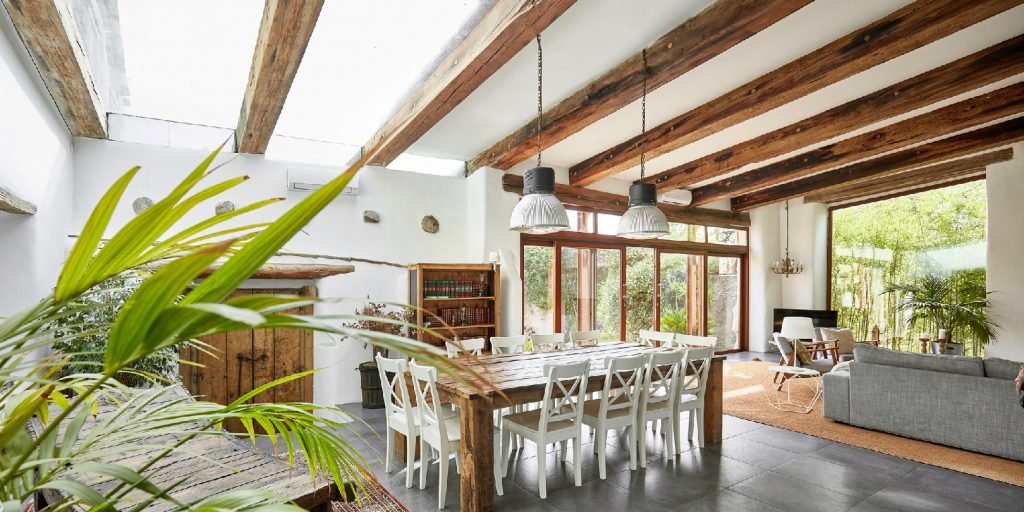
Wood beams add warmth, character, and architectural interest to residential and commercial spaces. They can create a rustic atmosphere in a farmhouse, complement a modern interior, or provide a traditional appearance in homes with exposed timber ceilings. However, untreated or poorly maintained beams may develop stains, surface damage, fading, or moisture-related problems over time.
Choosing the right wood beams finishing method helps preserve the natural beauty of timber while making it more suitable for its environment. Some homeowners prefer a clear finish that highlights the grain, while others choose a darker stain or painted surface to match their interior design. Outdoor beams often need additional protection against moisture, sunlight, and changing temperatures.
Understanding the preparation process, available finishing products, and correct application techniques can help you achieve a durable and attractive result. This guide explains how to finish wood beams, compare different finishes, avoid common mistakes, and maintain finished timber for years to come.
What Is Wood Beams Finishing?
Wood beams finishing involves preparing wooden surfaces and applying a suitable treatment to improve their appearance, durability, or resistance to environmental conditions. The process may include sanding, staining, painting, sealing, or applying a clear protective coating.
The appropriate method depends on the type and condition of the timber, its location, and the intended design.
For example, exposed oak beams in a living room may look attractive with a clear matte finish that preserves their natural grain. Exterior timber beams, by contrast, may require a coating specifically designed to withstand ultraviolet radiation and moisture.
Wood beam finishing generally serves three purposes:
- Appearance: Enhances the natural grain, colour, and texture of timber.
- Protection: Helps reduce damage from moisture, dirt, sunlight, and everyday wear, depending on the product.
- Maintenance: Creates a surface that may be easier to clean and maintain.
It is important to remember that ordinary decorative finishes do not automatically make structural timber waterproof, fire-resistant, or suitable for every environment.
Why Finishing Wood Beams Matters
Wood beams can remain attractive and functional for many years when they receive appropriate care. Finishing helps support that goal, although the level of protection depends on the coating and the conditions in which the timber is used.
Protects Against Moisture
Wood naturally absorbs and releases moisture as environmental conditions change. Repeated exposure to dampness can contribute to swelling, shrinking, cracking, and deterioration.
A suitable exterior or interior wood finish can reduce moisture uptake. However, no coating should replace proper drainage, ventilation, weatherproof detailing, or repairs to leaks.
Enhances Natural Wood Grain
Many homeowners choose timber beams because of their distinctive patterns and textures. Clear finishes and penetrating oils can emphasise these features, while stains can deepen the colour without completely hiding the grain.
Different wood species absorb finishes differently. Testing the product on an inconspicuous area helps you understand the likely result before treating the entire beam.
Improves Interior Appearance
Finished beams can become a focal point in living rooms, kitchens, bedrooms, and other spaces. A light natural finish may suit minimalist interiors, while a rich brown stain can complement traditional furniture and warm colour palettes.
Consistent colour and sheen across multiple beams help create a cohesive design.
Makes Routine Cleaning Easier
Some sealed finishes provide a smoother surface that is easier to wipe clean than rough, unfinished timber. This can be useful for exposed beams that collect dust.
However, cleaning methods should match the coating. Abrasive products and excessive water may damage certain finishes.
Types of Wood Beam Finishes
Selecting the right finish is one of the most important decisions in a wood beams finishing project. Consider the timber’s location, appearance, maintenance needs, and exposure to moisture.
| Finish type | Appearance | Common applications |
|---|---|---|
| Clear varnish | Transparent protective layer, available in different sheens | Interior beams and suitable exterior products |
| Wood stain | Changes or deepens the colour while often showing the grain | Decorative indoor and outdoor timber |
| Wood oil | Enhances the grain with a natural-looking appearance | Selected interior and exterior applications |
| Paint | Creates an opaque, coloured surface | Decorative beams and some exterior timber |
| Protective sealer | Provides a protective coating according to the product formulation | Timber requiring additional surface protection |
| Limewash or whitewash | Produces a pale, textured or translucent appearance | Decorative interior beams when suitable products are used |
Clear Varnish
Clear varnish creates a protective surface that can improve resistance to everyday wear and help prevent dirt from penetrating the wood. Depending on the formulation, it may produce a matte, satin, or glossy appearance.
It is a useful option for indoor beams when you want to preserve the visible grain. Exterior beams require a varnish specifically rated for outdoor exposure.
Wood Stain
Wood stain changes the colour of timber while generally allowing its grain to remain visible. It is available in shades ranging from light oak to deep walnut.
Stain alone may not provide sufficient protection. Check whether the selected product includes a protective coating or requires a separate compatible sealer.
Wood Oil
Wood oils penetrate the timber to varying degrees and can enhance its natural colour and texture. Some products are suitable for interior use, while others are formulated for exterior exposure.
Oil finishes may require periodic reapplication. Always follow the manufacturer’s instructions for preparation, drying, ventilation, and maintenance.
Paint
Paint covers the natural wood colour and grain, making it suitable when you want beams to match a ceiling or contrast with surrounding surfaces.
The timber must be properly prepared, and the paint system must be suitable for wood and the intended environment. On certain woods, knots or extractives can discolour the finish unless an appropriate primer is used.
How to Prepare Wood Beams for Finishing
Good preparation helps the finish adhere properly and improves the final appearance. Skipping this stage can lead to uneven colour, peeling, or visible surface defects.
Inspect the Timber
Before beginning, examine each beam for:
- Cracks, splinters, and loose fibres.
- Signs of moisture damage or fungal decay.
- Insect holes or evidence of active infestation.
- Old paint, varnish, or incompatible coatings.
- Grease, dust, and other surface contaminants.
If the beams are structural and show significant deterioration, movement, deep cracking, or suspected decay, consult a qualified building professional before proceeding.
Clean the Surface
Remove dust and loose dirt using a suitable brush or vacuum. For stubborn contamination, use a cleaner compatible with the timber and the intended finish.
Allow the wood to dry completely before applying any coating. Finishing damp timber can interfere with adhesion and trap moisture.
Sand the Wood
Sanding smooths rough areas and helps prepare the surface for a new coating. Begin with an appropriate abrasive for the condition of the wood, then use a finer grade if needed to achieve the manufacturer’s recommended surface.
Remove sanding dust thoroughly before staining or painting. Wear appropriate eye protection and respiratory protection, especially when sanding old coatings or working overhead.
If the beams have an existing finish that may contain lead or other hazardous substances, do not sand or disturb it until the coating has been assessed and appropriate safety measures are in place.
Test the Finish
Apply the selected finish to a hidden area or a matching offcut. This is particularly important when working with hardwoods, reclaimed timber, or beams that have different grain patterns.
The test helps reveal the final colour, sheen, absorption, and compatibility before you commit to the entire surface.
Step-by-Step Guide to Finishing Wood Beams
Once the timber is clean, dry, and prepared, follow a consistent application process.
Step 1: Gather the Required Materials
Depending on your project, you may need:
- Suitable wood stain, paint, oil, or varnish.
- Brushes, rollers, or applicators recommended by the manufacturer.
- Sandpaper and dust-removal equipment.
- Protective coverings for floors and furniture.
- Gloves, eye protection, and suitable respiratory protection.
- A stable platform or appropriate access equipment for overhead work.
Choose tools that suit the beam’s shape and the coating’s application requirements.
Step 2: Protect the Surrounding Area
Cover floors, furniture, walls, and nearby fixtures. Ensure adequate ventilation and keep children and pets away from the work area.
For overhead beams, use safe access equipment rather than standing on unstable furniture or overreaching from a ladder.
Step 3: Apply the First Coat
Stir the product according to its instructions. Apply a thin, even coat, following the direction of the wood grain where appropriate.
Avoid allowing excess product to pool in corners, joints, or textured areas. Uneven application can create visible marks or inconsistent colour.
Step 4: Allow the Finish to Dry
Follow the product label for drying time and environmental conditions. Temperature, humidity, airflow, and the type of coating can all affect how quickly a finish dries.
Do not assume a surface is ready for another coat simply because it feels dry to the touch.
Step 5: Sand Between Coats if Required
Some finishing systems recommend light sanding between coats, while others do not. Follow the product instructions rather than sanding automatically.
If sanding is required, remove the resulting dust before applying the next layer.
Step 6: Apply Additional Coats
Apply further coats as directed by the manufacturer. Several thin coats may produce a more consistent finish than one heavy application.
Inspect the beams under good lighting to identify missed areas, drips, or uneven patches. Allow the final coating to cure fully before cleaning or exposing it to normal use.
Indoor vs. Outdoor Wood Beam Finishing
Indoor and outdoor beams face different environmental challenges, so they may require different finishing products.
Indoor Wood Beams
Interior beams generally need protection against dust, handling, and occasional surface contact rather than continuous weather exposure.
Common choices include clear varnish, interior wood oil, stain with a compatible topcoat, or paint. Select a product appropriate for the room, especially in kitchens and bathrooms where humidity may be higher.
For decorative ceilings, consider the effect of the finish on the room’s lighting. A glossy coating reflects more light, while a matte finish creates a softer appearance.
Outdoor Wood Beams
Exterior timber may experience rain, sunlight, temperature changes, and biological growth. Use a finish explicitly designed for exterior wood and suitable for the beam’s species and exposure.
Preparation and building design remain essential. Keep timber away from persistent ground moisture where the construction permits, ensure appropriate drainage, and repair water entry points.
Inspect outdoor beams regularly for peeling coatings, persistent dampness, cracks, and signs of decay. Recoat according to the product instructions and actual condition of the wood.
Common Wood Beam Finishing Mistakes
Avoid these mistakes to improve the quality and lifespan of your finished beams.
- Finishing damp wood: Moisture can affect adhesion and the long-term performance of coatings.
- Skipping preparation: Dust, grease, and loose existing finishes can cause defects.
- Choosing the wrong product: An interior finish may not withstand outdoor conditions.
- Applying overly thick coats: Heavy application can produce drips, uneven drying, or an unattractive surface.
- Ignoring product compatibility: Some coatings do not adhere properly to certain existing finishes.
- Failing to test the colour: Timber species and grain can affect the final result.
- Neglecting ventilation and safety: Coating products may release harmful vapours or require specific protective equipment.
Wood Beam Maintenance Tips
Regular maintenance helps preserve the appearance of finished timber and identifies potential problems early.
- Dust beams periodically. Use a soft brush or suitable vacuum attachment.
- Clean carefully. Follow the coating manufacturer’s cleaning recommendations.
- Inspect for damage. Look for peeling, discolouration, moisture marks, and cracks.
- Address water sources. Repair leaks and improve drainage or ventilation where needed.
- Refresh the coating when necessary. Recoat based on the product’s instructions and the actual condition of the timber.
- Investigate structural concerns. Significant movement, decay, or unusual cracking may require professional assessment.
Maintenance needs vary with wood species, finish type, building conditions, and exposure. There is no single reapplication schedule that suits every beam.
Frequently Asked Questions
1. What is the best finish for wood beams?
The best finish depends on the wood species, desired appearance, and location. Clear varnish can preserve visible grain indoors, stain can change the colour, oil can enhance natural texture, and paint can create an opaque finish. Outdoor beams need a product rated for exterior conditions.
2. Should I stain or paint wood beams?
Choose stain if you want to change the wood’s colour while retaining much of its natural grain. Choose paint if you prefer a solid colour that coordinates with the ceiling or surrounding decor. Prepare the surface properly for either option.
3. Do wood beams need to be sanded before finishing?
Sanding is often useful for removing rough fibres and preparing bare or previously coated timber. However, the required preparation depends on the existing surface and product instructions. Potentially hazardous old coatings should be assessed before sanding.
4. How many coats of finish should I apply to wood beams?
The number of coats depends on the specific product, the wood’s absorption, and the intended level of protection. Follow the manufacturer’s directions for coat quantity, drying time, and any sanding between applications.
5. Can I finish wood beams without changing their natural colour?
Yes. A clear finish designed for the timber can preserve its natural appearance while adding protection. Keep in mind that many clear products slightly deepen or warm the colour, so test the finish before applying it to every beam.
6. How do I finish outdoor wood beams?
Start by inspecting the timber and addressing any moisture or deterioration problems. Clean and prepare the surface, then apply an exterior-rated stain, oil, paint, or coating suitable for the wood. Maintain the finish according to the manufacturer’s recommendations.
7. How often should wood beams be refinished?
There is no universal schedule. Indoor beams may retain their finish for many years, while exposed outdoor beams may need attention sooner. Inspect the surface regularly and follow the coating manufacturer’s maintenance guidance.
8. Can I finish old or reclaimed wood beams?
Yes, provided the timber is suitable for the intended use and has been assessed for damage, contamination, and hazardous old coatings. Clean and prepare the wood carefully, test the finish, and seek professional advice if structural integrity is uncertain.
Conclusion
Wood beams finishing is an effective way to enhance the appearance and protect the useful life of timber in homes and commercial buildings. The right approach depends on the wood’s condition, its indoor or outdoor location, and the look you want to achieve.
By choosing a suitable finish, preparing the surface carefully, applying coatings according to the manufacturer’s instructions, and maintaining the timber regularly, you can achieve an attractive and durable result. Whether you prefer natural wood grain, a rich stained appearance, or a painted finish, careful planning is the foundation of a successful wood beam finishing project.
Learn About: Home Renovation Ideas
