
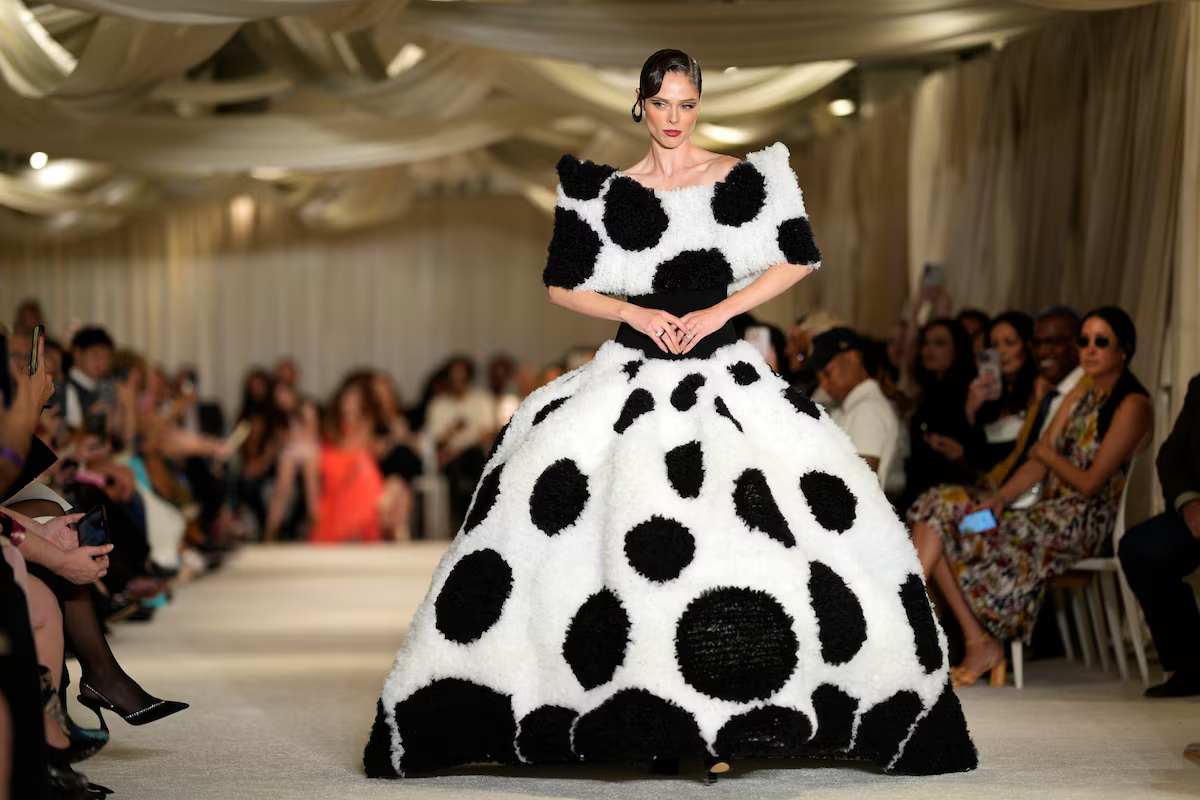
Fashion changes constantly, but personal style lasts much longer. From everyday streetwear to formal clothing, the way people dress can communicate personality, mood, culture, and even professional identity. While trends come and go, the most useful approach is to combine current ideas with pieces that genuinely work for your lifestyle.
Today, fashion is more accessible than ever. Social media, online stores, celebrities, designers, and street-style communities all influence what people wear. At the same time, shoppers are becoming more thoughtful about quality, versatility, sustainability, and value.
Whether you’re refreshing your wardrobe, looking for outfit inspiration, or simply trying to understand current fashion trends, a few practical principles can make the process much easier.
What Is Fashion?
Fashion refers to popular styles of clothing, accessories, footwear, hairstyles, and appearance at a particular time or within a particular culture.
However, fashion is more than simply wearing fashionable clothes. It can be a form of self-expression. Someone may prefer minimalist outfits, while another person may enjoy bold colors, vintage clothing, relaxed streetwear, or classic tailoring.
Fashion can be influenced by:
- Culture and traditions
- Designers and fashion houses
- Celebrities and public figures
- Social media
- Music and entertainment
- Seasonal changes
- Economic conditions
- Technology
- Street style
Because these influences constantly evolve, fashion remains a creative and changing part of everyday life.
Why Fashion Matters
Clothing serves a practical purpose, but it can also affect how people feel and how others perceive them.
A well-chosen outfit can make someone feel more comfortable and confident. Clothing can also help people communicate their identity without saying anything.
For example, a person attending a business meeting may choose tailored clothing to create a polished appearance, while someone spending a weekend with friends may prefer casual jeans, sneakers, and a relaxed shirt.
Fashion also has a wider cultural role. Traditional clothing can preserve history and heritage, while modern designers often reinterpret cultural influences in new ways.
Major Fashion Trends
Fashion trends vary by season, location, and audience, so there is no single style that works for everyone. Still, several broad directions frequently appear in contemporary fashion.
Minimalist Style
Minimalism focuses on simple silhouettes, versatile colors, and pieces that can be worn in different combinations.
A minimalist wardrobe might include:
- A well-fitting pair of trousers
- Neutral T-shirts
- A structured jacket
- Classic sneakers
- A simple coat
- A versatile shirt
The advantage is flexibility. Fewer, better-coordinated pieces can create many different outfits.
Streetwear
Streetwear continues to influence everyday clothing through relaxed silhouettes, sneakers, graphic pieces, hoodies, denim, and sports-inspired designs.
One reason streetwear remains popular is its practicality. It can easily be adapted for casual social occasions while still allowing people to express their personality.
Vintage-Inspired Fashion
Vintage influences regularly return to modern wardrobes. Designers and shoppers often reinterpret styles from previous decades rather than copying them exactly.
Vintage-inspired outfits may include retro denim, classic silhouettes, old-school accessories, or secondhand clothing.
Comfortable Fashion
Comfort has become an important part of modern dressing. Relaxed tailoring, soft fabrics, practical footwear, and versatile basics allow people to look polished without sacrificing comfort.
The best approach is often to balance comfort with fit and structure rather than choosing one over the other.
How to Find Your Personal Style
Following trends can be fun, but personal style is more useful in the long run.
Start by identifying the clothing you naturally enjoy wearing. Look at your existing wardrobe and notice which pieces you wear most often.
Ask yourself:
- Which colors do I feel comfortable wearing?
- Do I prefer fitted or relaxed clothing?
- What types of outfits suit my daily routine?
- Which clothes make me feel confident?
- What items do I repeatedly buy but rarely wear?
Once you understand your preferences, you can make more intentional fashion choices.
It can also help to create a small collection of outfit references. Save looks that appeal to you and look for patterns in your choices. You may discover that you consistently prefer certain colors, shapes, fabrics, or combinations.
Building a Practical Wardrobe
A strong wardrobe does not need to contain hundreds of items. The goal is to have clothing that works together and fits your lifestyle.
| Wardrobe Category | Useful Examples |
| Everyday basics | T-shirts, shirts, jeans |
| Smart clothing | Blazers, trousers, dress shirts |
| Outerwear | Coats, jackets, overshirts |
| Footwear | Sneakers, boots, formal shoes |
| Accessories | Bags, belts, watches, scarves |
| Seasonal pieces | Sweaters, lightweight layers |
Before buying something new, consider whether you can create at least two or three outfits with it. This simple habit can reduce unnecessary purchases.
Pay Attention to Fit
Fit is often more important than price or brand name. Even an expensive item may look unpolished if it does not fit properly.
Check the shoulders, sleeves, trouser length, waist, and overall proportions. Small alterations can sometimes make an ordinary garment look significantly better.
Choose Versatile Colors
Neutral colors such as black, white, navy, grey, beige, and brown are easy to combine. You can then introduce brighter colors through accessories or statement pieces.
This approach makes outfit planning easier because many pieces naturally work together.
Fashion and Celebrity Influence
Celebrities have always played a role in shaping fashion. Red-carpet appearances, music events, film premieres, award ceremonies, and social media posts can quickly introduce particular styles to a large audience.
People often look to celebrity outfits for inspiration, but copying an entire look isn’t always necessary. A better approach is to identify one element you like and adapt it to your own wardrobe.
For example, you might like a celebrity’s oversized blazer, monochrome outfit, statement shoes, or vintage-inspired styling. Instead of recreating everything, use that single idea in a way that fits your personality and budget.
For more inspiration on how public figures influence modern style, you can explore celebrity fashion trends and see how celebrity looks often translate into wider fashion movements.
Sustainable and Responsible Fashion
Fashion also has an environmental and social side. Producing clothing requires materials, energy, transportation, labor, and packaging. Buying more thoughtfully can help reduce unnecessary consumption.
You can make more responsible choices by:
- Buying items you expect to wear regularly
- Choosing durable fabrics and construction
- Repairing clothing when possible
- Donating or reselling unwanted pieces
- Exploring quality secondhand clothing
- Avoiding impulse purchases
- Taking care of garments properly
Sustainable fashion does not necessarily mean replacing your entire wardrobe with expensive products. Often, the most practical step is simply buying less and making better use of what you already own.
Tips for Better Everyday Outfits
You don’t need to follow every new trend to dress well. A few simple habits can make everyday styling easier.
1. Start With One Main Piece
Choose the item you want to highlight, such as a jacket, patterned shirt, statement shoes, or interesting trousers. Build the rest of the outfit around it.
2. Balance Proportions
If you wear a loose top, consider pairing it with more structured trousers. Similarly, fitted clothing can work well with a relaxed outer layer.
3. Keep Accessories Intentional
Accessories can complete an outfit, but too many competing pieces can make the look feel crowded. Choose accessories that support the overall style.
4. Dress for the Occasion
A fashionable outfit still needs to be appropriate for the setting. Consider the location, weather, dress code, and activities before choosing what to wear.
5. Prioritize Comfort
If an outfit looks great but you cannot comfortably move, sit, or spend several hours wearing it, it may not be the right choice.
Fashion for Different Occasions
Different situations call for different approaches.
Casual: Jeans, T-shirts, sneakers, relaxed shirts, and simple layers work well for everyday activities.
Business: Tailored trousers, shirts, blazers, polished shoes, and understated accessories create a professional appearance.
Formal: Depending on the event, formalwear may include suits, evening dresses, dress shoes, elegant accessories, and carefully coordinated colors.
Special events: This is where you can experiment more with textures, colors, accessories, and statement pieces while still respecting the event’s dress expectations.
For major ceremonies and entertainment events, red-carpet styling offers another interesting look at how designers, celebrities, and stylists create memorable fashion moments. You can learn more through this guide to red-carpet fashion and awards.
Key Takeaways
- Fashion is a form of personal and cultural expression.
- Trends can provide inspiration, but they do not define personal style.
- Fit, comfort, and versatility are important when choosing clothing.
- A practical wardrobe can contain fewer pieces that work well together.
- Celebrity fashion can influence mainstream trends.
- Sustainable choices often begin with buying less and caring for clothing properly.
- The best outfit is one that suits the occasion and makes you feel confident.
FAQs
What is fashion in simple words?
Fashion is the way people express themselves through clothing, footwear, accessories, appearance, and styling. It changes over time and is influenced by culture, media, designers, and society.
Why is fashion important?
Fashion can help people express personality, identity, culture, and creativity. It can also influence confidence and how someone presents themselves in social or professional situations.
How can I improve my personal style?
Start by understanding what colors, fits, fabrics, and silhouettes you enjoy. Build your wardrobe around versatile pieces and choose trends that complement your existing style.
Do I need expensive clothes to look fashionable?
No. Price does not automatically determine style. Good fit, clean clothing, appropriate combinations, and thoughtful accessories can make affordable pieces look polished.
How often do fashion trends change?
Trends can change throughout the year, particularly as new seasonal collections, cultural influences, and social media movements emerge. Some trends last only briefly, while others become long-term styles.
What is sustainable fashion?
Sustainable fashion focuses on reducing unnecessary environmental and social impact through practices such as responsible production, longer-lasting clothing, repair, reuse, resale, and more conscious consumption.
How do celebrities influence fashion?
Celebrities can increase attention around particular outfits, designers, colors, accessories, and styling techniques. Their appearances at major events can sometimes inspire trends that spread through social media and mainstream fashion.
Conclusion
Fashion is constantly evolving, but great personal style doesn’t require following every new trend. The strongest wardrobes usually combine practicality, comfort, personality, and a few current influences.
Instead of buying something simply because it is popular, consider whether it fits your lifestyle, works with your existing clothes, and makes you feel confident. Pay attention to quality and fit, experiment with different combinations, and use trends as inspiration rather than rules.
Ultimately, fashion is most valuable when it helps you express who you are. A thoughtful wardrobe can make everyday dressing easier while giving you the freedom to explore new looks as your preferences change.
