
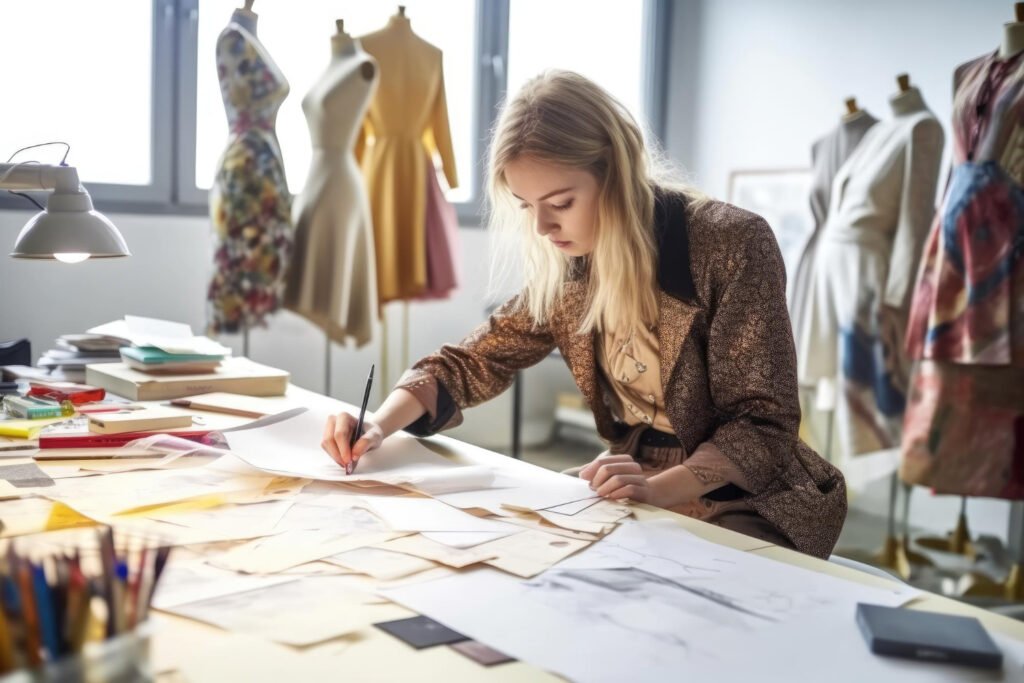
Fashion is more than just clothing—it is a form of creativity, identity, and self-expression. Behind every memorable collection, unique garment, or new style are talented fashion fashion designers who turn creative ideas into wearable designs. They combine artistic vision with knowledge of fabrics, colors, patterns, construction, and changing customer preferences. From developing initial sketches to selecting materials and creating finished garments, fashion designers play an important role in shaping the industry. Whether they work for established brands, independent labels, or their own businesses, their designs can influence how people express themselves through what they wear.
What Are Fashion Fashion Designers?
Fashion fashion designers are creative professionals who develop ideas for clothing, accessories, and complete fashion collections. Their work combines artistic expression with practical knowledge of fabrics, construction, colors, shapes, trends, and customer needs.
A designer may work on everyday clothing, formalwear, sportswear, footwear, accessories, or specialized garments. Some designers create collections for established fashion brands, while others build their own labels or work independently for different clients.
Fashion design is not simply about making clothes look attractive. Designers also consider how garments will fit, how they can be produced, which materials should be used, and how a collection communicates a particular visual identity.
What Does a Fashion Designer Do?
The daily responsibilities of a designer can vary depending on their role and workplace. However, the process often begins with research and creative development.
A designer may research colors, fabrics, cultural influences, customer preferences, and current fashion directions. They then develop concepts through sketches, mood boards, fabric selections, and digital design tools.
Once an idea is selected, the designer works on the practical details. This can include creating patterns, choosing materials, developing samples, adjusting measurements, and working with specialists involved in manufacturing.
Fashion designers may also collaborate with:
- Pattern makers
- Tailors and garment technicians
- Textile specialists
- Photographers
- Stylists
- Brand managers
- Marketing teams
- Manufacturers
- Buyers and retailers
Because fashion is both creative and commercial, designers often need to balance their personal vision with the requirements of a particular brand or target audience.
Different Areas of Fashion Design
Fashion is a broad industry, and designers can specialize in different categories.
Womenswear
Womenswear includes a wide range of products, from casual clothing and workwear to evening dresses and occasion wear. Designers may focus on a particular customer group, style, or price level.
Menswear
Menswear designers develop products such as shirts, trousers, jackets, suits, outerwear, and casual clothing. Fit, construction, fabric selection, and functionality can be especially important in this area.
Sportswear and Activewear
Sportswear focuses on clothing designed for physical activity as well as modern casual lifestyles. Designers consider movement, comfort, construction, and fabric performance when developing these garments.
Accessories
Fashion design also extends beyond clothing. Handbags, shoes, belts, hats, jewelry, eyewear, and other accessories can become important parts of a fashion collection.
Textile Design
Textile designers work with patterns, prints, textures, colors, and fabric surfaces. Their work can become an important foundation for fashion collections.
Skills Every Fashion Designer Needs
Successful fashion design requires more than artistic creativity. Designers need a combination of creative, technical, and communication skills.
Creativity: Designers need to develop original concepts and translate ideas into visual designs.
Understanding of fabrics: Different fabrics behave differently. Knowledge of texture, weight, stretch, durability, and appearance helps designers choose appropriate materials.
Drawing and visualization: Sketching helps communicate ideas before garments are produced. Digital design tools can also support this process.
Knowledge of garment construction: Understanding how clothing is cut, assembled, and finished helps designers create realistic and wearable designs.
Color awareness: Color can strongly influence the appearance and identity of a collection.
Communication: Designers regularly work with other professionals, so they must explain concepts and respond to feedback clearly.
Business awareness: Designers working commercially need to understand customers, pricing, production requirements, and the market surrounding their products.
How a Fashion Idea Becomes a Finished Garment
The journey from an initial concept to a finished garment usually involves several stages.
1. Research and Inspiration
The designer begins by exploring ideas. Inspiration can come from art, architecture, nature, history, street style, culture, materials, or everyday life.
2. Concept Development
Research is turned into a clearer creative direction. Designers may create sketches, mood boards, color palettes, and collections of fabric samples.
3. Design and Pattern Development
The selected concept is developed into detailed designs. Patterns and measurements help transform the two-dimensional idea into a garment that can be constructed.
4. Sampling
A sample garment is produced so the design can be evaluated. Designers may discover that the fit, proportions, fabric, or construction needs adjustment.
5. Refinement
Changes are made before the design moves toward final production. This stage can involve several rounds of fitting and modification.
6. Production
Once the design is finalized, it can move into manufacturing. Depending on the brand and product, garments may be produced in small quantities or on a much larger scale.
The Role of Technology in Modern Fashion Design
Technology has changed many parts of the fashion design process. Designers can now use specialized software to create digital sketches, develop patterns, visualize garments, and organize design information.
Digital tools can make experimentation faster because designers can test different colors, shapes, and details without immediately producing physical samples.
Technology is also influencing how fashion businesses communicate with customers. Online stores, social media, digital campaigns, and virtual presentations allow designers and brands to reach audiences beyond traditional physical retail.
However, technology does not replace the creative and technical knowledge behind good design. Understanding materials, construction, fit, and customer needs remains important.
How to Build a Career in Fashion Design
People interested in fashion design can develop their skills through formal education, practical training, independent study, or a combination of these approaches.
A fashion-related program may provide opportunities to study areas such as:
- Fashion illustration
- Pattern making
- Garment construction
- Textile knowledge
- Fashion history
- Design development
- Fashion business
Building a portfolio is also important. A portfolio can demonstrate a designer’s ability to develop concepts and turn those concepts into finished or well-developed designs.
Practical experience can provide another valuable learning opportunity. Internships, assistant roles, freelance projects, and personal collections can help aspiring designers understand how creative ideas are handled in professional environments.
Why Fashion Designers Matter to the Industry
Fashion designers play an important role in shaping the visual direction of clothing and accessories. They introduce new concepts, reinterpret existing styles, and create products that reflect different customer needs and cultural influences.
Their work also connects several parts of the fashion industry. A single collection may involve designers, textile producers, manufacturers, photographers, stylists, retailers, marketers, and many other professionals.
Fashion can also communicate identity and personal expression. What people wear can reflect individual preferences, professional environments, cultural traditions, or participation in particular communities and trends.
For this reason, fashion design sits at the intersection of creativity, craftsmanship, culture, and commerce.
Frequently Asked Questions
What is the main job of a fashion designer?
A fashion designer develops concepts and designs for clothing, accessories, or collections. They may also participate in fabric selection, pattern development, sampling, fittings, and production.
Do fashion designers need to know how to sew?
Sewing knowledge can be very useful because it helps designers understand garment construction and communicate with technical specialists. However, designers do not necessarily perform every production task themselves.
What subjects are useful for fashion design?
Drawing, textiles, garment construction, design, art, fashion history, and business can all be useful areas of study for someone interested in fashion design.
Can a fashion designer work independently?
Yes. Independent designers can develop their own collections, work with clients, sell designs through their own businesses, or provide creative services to brands.
What is a fashion designer’s portfolio?
A portfolio is a collection of work that demonstrates a designer’s creativity, design process, technical abilities, and finished projects. It can be used when applying for education, internships, employment, or freelance opportunities.
Is technology important in fashion design?
Yes. Digital design and pattern-making tools are increasingly used in the industry. Technology can support visualization, experimentation, communication, and production planning.
What is the difference between a fashion designer and a stylist?
A fashion designer creates or develops garments and accessories, while a stylist generally selects and combines existing clothing and accessories to create a particular visual look.
Can fashion designers specialize in one type of clothing?
Yes. Designers can specialize in areas such as womenswear, menswear, sportswear, bridalwear, accessories, footwear, or textile design.
Conclusion
Fashion fashion designers bring together creativity, technical knowledge, materials, and an understanding of people to create clothing and accessories. Their work can begin with a simple idea and develop through research, sketching, sampling, fitting, refinement, and production.
Whether working for a major brand, an independent label, or as a freelancer, designers contribute to an industry that connects art, craftsmanship, business, and personal expression. For aspiring designers, developing creative skills alongside practical knowledge and a strong portfolio can provide a solid foundation for exploring opportunities in fashion.
Learn About: American Fashion Alaikas Com
