
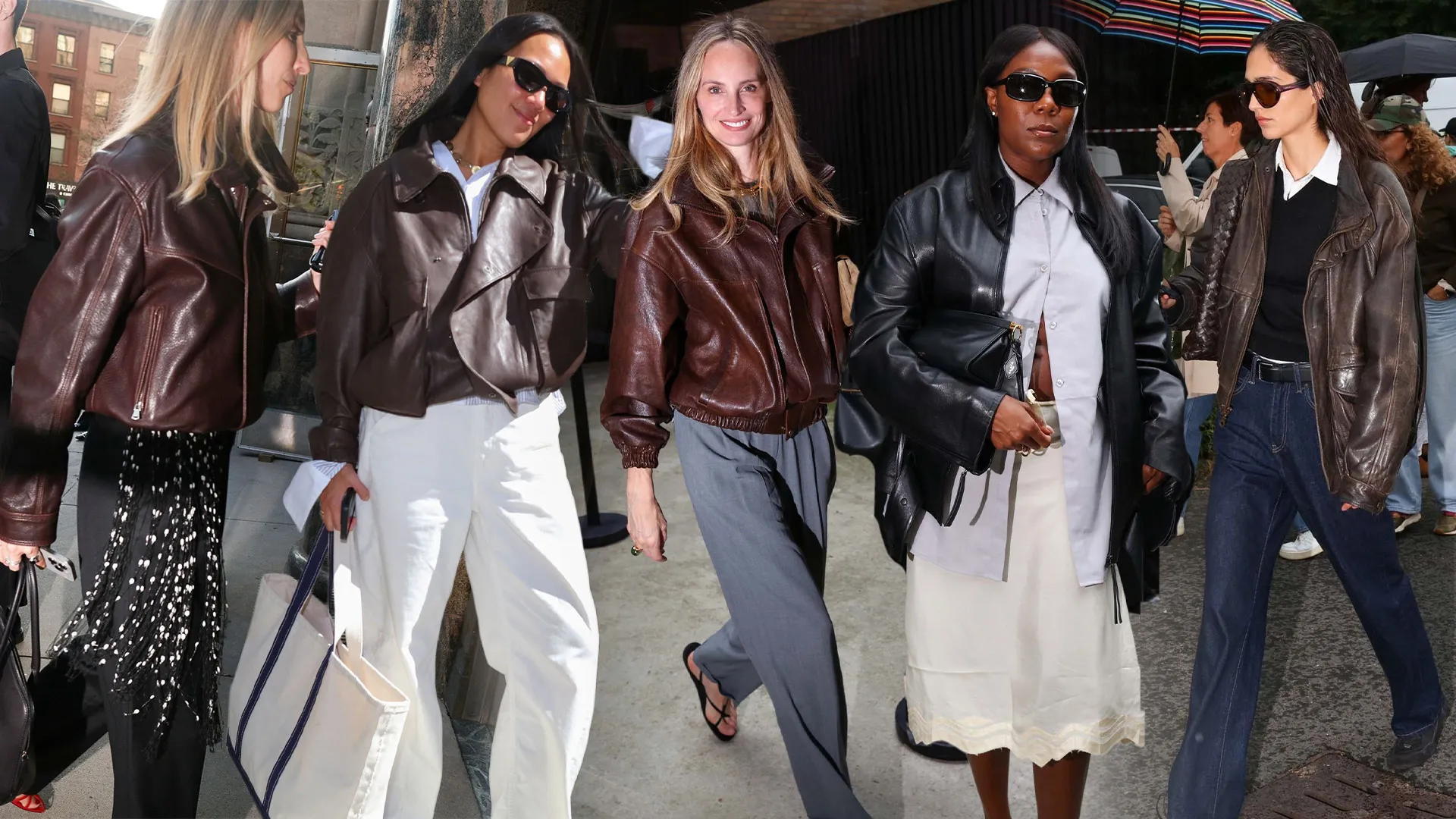
Leather jackets have remained a popular wardrobe staple because they combine durability, comfort, and timeless style. From classic black biker jackets to lightweight suede designs and modern faux leather options, there is a wide range of styles for different occasions.
A good leather jacket is more than a fashion item. The material, construction, lining, fit, and maintenance all affect how the jacket looks and performs over time. Understanding these factors can help shoppers choose a jacket that suits their lifestyle rather than buying based only on appearance.
This guide explains the main types of leather jackets, the differences between leather materials, how to choose the right fit, what to wear with them, and how to maintain them properly.
What Are Leather Jackets?
A leather jacket is an outerwear garment made from leather or a leather alternative. Traditional leather is produced from animal hide and can offer durability, structure, and a distinctive appearance.
Leather naturally develops changes in color and texture with use. This aging process, often called a patina, can give some jackets a more individual appearance over time.
Leather jackets are available in different weights and constructions. A heavy jacket may provide more protection in cold weather, while a lightweight design can work well during transitional seasons.
Popular Types of Leather Jackets
Different jacket styles have different origins, silhouettes, and practical features.
1. Biker Leather Jackets
Biker jackets are recognized by their asymmetrical front closures, wide lapels, metal hardware, and fitted shape. They are strongly associated with motorcycle culture but are also widely worn as casual fashion.
A biker jacket works well with jeans, boots, T-shirts, and simple knitwear.
2. Bomber Leather Jackets
Leather bomber jackets typically feature a shorter body, ribbed cuffs, and a ribbed waistband. Their relaxed design makes them suitable for casual everyday outfits.
They can be paired with denim, chinos, sneakers, or boots.
3. Racer Jackets
Racer jackets have a cleaner and more minimal appearance than traditional biker jackets. They commonly feature a straight front zipper and a simple collar.
This style is useful for people who want the character of leather without heavy decorative details.
4. Aviator and Shearling Jackets
Aviator jackets are inspired by early flight clothing. Many designs feature a warm lining, large collar, and substantial construction.
Shearling-lined versions can be particularly useful in colder weather because the lining provides additional warmth.
5. Classic Leather Jackets
Classic leather jackets usually have a simple silhouette that can work with a variety of outfits. Their understated design makes them suitable for casual and smart-casual dressing.
Types of Leather and Leather Alternatives
The material used in a jacket affects its appearance, durability, texture, and price.
| Material | Main Characteristics | Best For |
|---|---|---|
| Full-grain leather | Strong, natural surface and develops patina | Long-term use |
| Top-grain leather | Refined surface with a smoother appearance | Everyday wear |
| Suede | Soft, textured finish | Casual outfits |
| Faux leather | Synthetic alternative | Budget-conscious shoppers |
| PU leather | Usually polyurethane-based synthetic material | Fashion-focused styles |
| Shearling | Leather combined with wool/sheepskin lining | Cold weather |
Full-Grain Leather
Full-grain leather retains the natural grain of the hide. It is generally valued for durability and its ability to develop character with age.
Top-Grain Leather
Top-grain leather has been processed to create a more uniform surface. It can offer a smoother and more consistent appearance.
Suede
Suede has a soft, napped surface and is commonly used for casual jackets. Because its surface is more sensitive to moisture and stains, it requires appropriate care.
Faux Leather
Faux leather is manufactured rather than made from animal hide. It can provide a leather-like appearance at a lower price and is available in many colors and finishes.
How to Choose the Right Leather Jacket
Choosing the right jacket involves more than selecting a color.
Consider the Fit
The jacket should allow comfortable movement without looking excessively loose. When trying one on, check:
- Shoulder seams should sit close to the natural shoulder.
- Sleeves should reach approximately to the wrist.
- The chest should allow comfortable movement.
- The jacket should close without excessive pulling.
- The back should not feel restrictive when you move your arms.
If you plan to wear sweaters underneath, leave enough room for layering.
Think About Your Climate
Your local weather should influence your choice.
For mild weather, consider lightweight leather or unlined designs. For colder conditions, look for insulated or shearling-lined jackets.
Choose a Versatile Color
Black and brown remain versatile choices, but they are not the only options. Dark green, navy, burgundy, and tan can also create distinctive outfits.
A neutral color is generally easier to combine with different pieces in an existing wardrobe.
Set a Realistic Budget
Leather jackets can vary substantially in price. Cost can be influenced by material, construction, brand, lining, hardware, and craftsmanship.
Instead of focusing only on the lowest price, compare the material and construction quality with how frequently you expect to wear the jacket.
Leather Jacket Outfit Ideas
Leather jackets can be styled in several ways.
Casual Look
Pair a black leather jacket with:
- A plain T-shirt
- Straight-leg or slim jeans
- Casual sneakers or boots
This combination is simple and suitable for everyday wear.
Smart-Casual Look
For a more polished appearance, combine a minimal leather jacket with a button-down shirt, chinos, and leather shoes.
Avoid adding too many competing details. A clean jacket works particularly well with simple clothing.
Cold-Weather Look
A heavier leather jacket can be worn over a sweater with jeans and boots. Layering allows the outfit to remain practical without sacrificing style.
How to Care for a Leather Jacket
Proper maintenance can help preserve the material and appearance of a leather jacket.
1. Read the Care Label
Always check the manufacturer’s care instructions first. Different leather finishes require different cleaning methods.
2. Keep Leather Away From Excess Moisture
If the jacket becomes wet, allow it to dry naturally at room temperature. Avoid placing leather directly against a radiator or using intense heat, which can affect the material.
3. Clean Small Marks Carefully
For minor surface dirt, use an appropriate soft cloth and follow the manufacturer’s recommendations. Avoid household cleaning chemicals unless the care instructions specifically allow them.
4. Condition When Appropriate
Leather conditioners can help maintain certain types of leather, but the correct product depends on the finish. Test any product on a small, inconspicuous area first.
5. Store It Properly
Use a broad, sturdy hanger to help maintain the jacket’s shape. Store it somewhere cool and dry with enough space for air circulation.
Avoid folding a leather jacket tightly for long periods.
Common Buying Mistakes to Avoid
Before purchasing a leather jacket, watch for these common mistakes:
- Choosing style over fit: A fashionable jacket can still look uncomfortable if the shoulders or chest do not fit correctly.
- Ignoring the material: Leather types have different characteristics and care requirements.
- Buying without considering climate: A heavy jacket may be uncomfortable in warm weather.
- Using unsuitable cleaning products: Incorrect chemicals can damage leather finishes.
- Ignoring construction quality: Examine stitching, zippers, lining, buttons, and seams before buying.
- Choosing a size based only on your usual clothing size: Jacket sizing varies between manufacturers.
Key Takeaways
- Leather jackets are available in many styles, including biker, bomber, racer, and aviator designs.
- Full-grain and top-grain leather have different characteristics and finishes.
- Faux leather provides a synthetic alternative to traditional leather.
- Fit, climate, material, construction, and budget should all influence your purchase.
- Black and brown leather jackets are versatile, while other colors can create more distinctive outfits.
- Proper storage and manufacturer-approved cleaning methods can help preserve a jacket.
- Always check the care instructions before applying cleaners or conditioners.
FAQs About Leather Jackets
Are leather jackets still fashionable?
Yes. Leather jackets have remained a recognizable part of casual and smart-casual fashion, with both traditional and contemporary styles available.
How should a leather jacket fit?
A leather jacket should fit comfortably around the shoulders and chest without excessive pulling. The sleeves should generally reach around the wrist, while the body should allow normal movement.
Are leather jackets suitable for winter?
Some are. Heavy leather jackets with insulation or shearling lining can provide significant warmth, while lightweight leather jackets are better suited to milder conditions.
How do you clean a leather jacket?
Start by checking the manufacturer’s care label. Minor surface dirt can often be addressed with an appropriate soft cloth, while deeper cleaning may require a specialist leather-cleaning service.
Can leather jackets get wet?
Leather can tolerate some exposure to moisture, but prolonged soaking can damage certain finishes. If a jacket becomes wet, let it dry naturally and follow the manufacturer’s care instructions.
How long can a leather jacket last?
A well-made leather jacket can remain wearable for many years when it is appropriately used, stored, and maintained. Its lifespan depends on the leather, construction, frequency of use, and care.
Is faux leather a good alternative?
Faux leather can be a practical choice for shoppers who prefer a synthetic material or want a lower-cost option. Its durability and appearance vary depending on the material and construction.
Conclusion
Leather jackets combine practical outerwear with enduring fashion appeal. The best choice depends on individual needs, including preferred style, climate, fit, material, budget, and frequency of use.
Whether you choose a traditional leather biker jacket, a minimalist racer, a bomber, or a synthetic alternative, paying attention to construction and care can make a significant difference. With the right fit and appropriate maintenance, a leather jacket can become a versatile part of an everyday wardrobe.
Learn More About: Women’s Designer Fashion
