
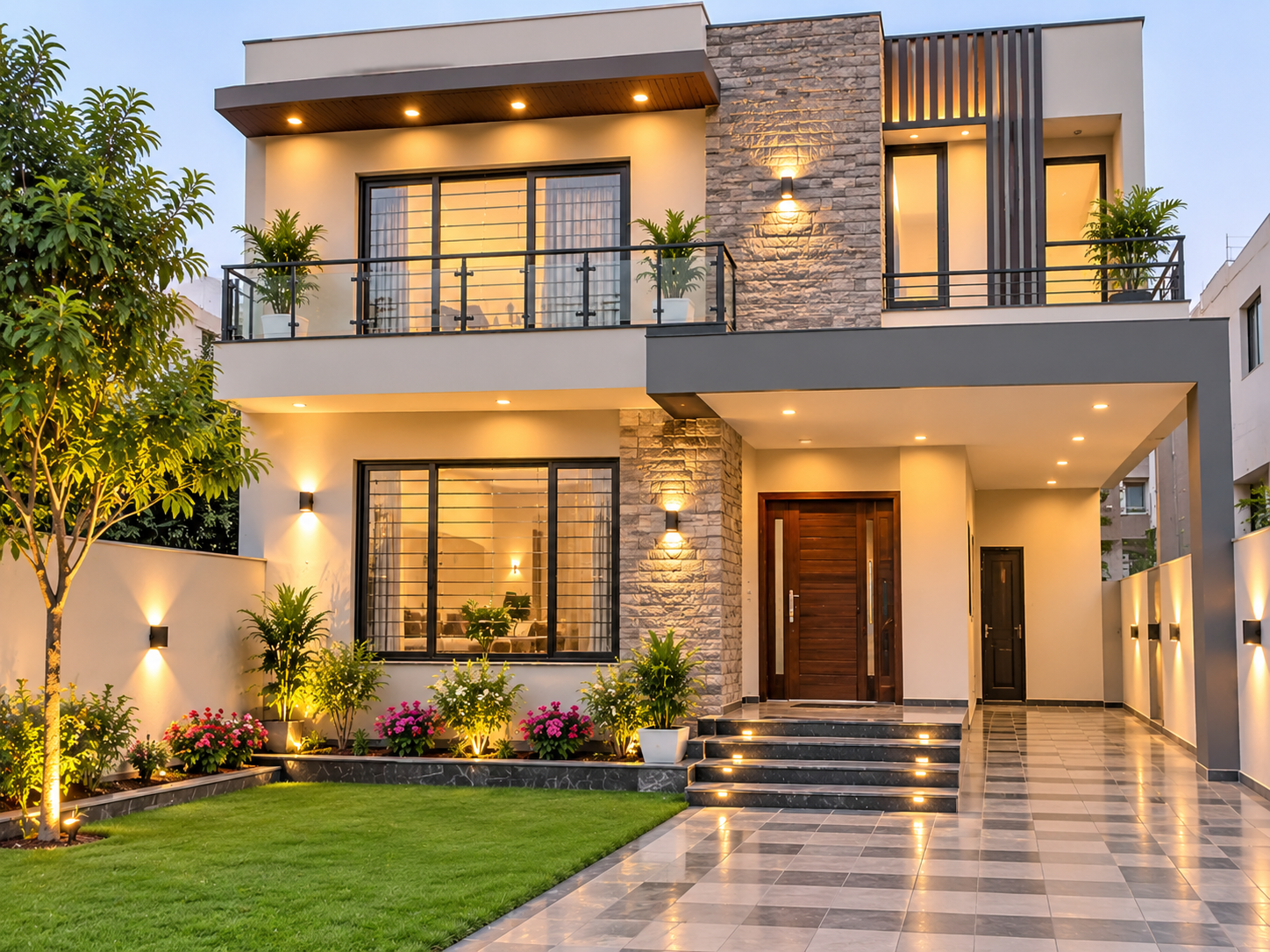
The exterior of a home creates the first impression before anyone steps inside. Its architectural style, colour scheme, roof design, windows, entrance, and landscaping all contribute to how the property looks and feels. A carefully designed exterior can make an ordinary house look more welcoming, modern, and visually balanced.
However, good exterior home design involves more than choosing attractive paint colours. It requires selecting materials that suit the local climate, considering maintenance requirements, planning outdoor spaces, and ensuring that different architectural elements work together.
Whether you are constructing a new property, renovating an older house, or simply looking for ways to improve its appearance, the right design choices can make a noticeable difference. From contemporary facades to traditional architectural details, there are many ways to create an exterior that reflects your personal style.
This guide explores popular exterior home design styles, practical improvement ideas, material choices, colour combinations, landscaping options, and important planning considerations.
What Is Exterior Home Design?
Exterior home design is the process of planning and improving the outside appearance and functional features of a residential property. It includes architectural details, building materials, colours, outdoor lighting, landscaping, and other visible elements.
A successful design balances appearance, durability, practicality, and the surrounding environment.
Important exterior features include:
- Facade: The front-facing part of the house that creates its overall visual identity.
- Roof: The structure that protects the property and contributes to its architectural style.
- Windows and doors: Features that influence natural light, ventilation, security, and appearance.
- Exterior walls: Surfaces finished with paint, stone, brick, wood, or other suitable materials.
- Entryway: The entrance area that welcomes residents and visitors.
- Outdoor spaces: Gardens, pathways, balconies, patios, and driveways.
Each element should complement the others. For example, a modern house with simple architectural lines may look better with clean wall finishes, minimal decoration, and carefully positioned lighting.
Popular Exterior Home Design Styles
Different architectural styles offer different appearances, materials, and design characteristics. Understanding these options can help you choose an exterior that suits your property.
1. Modern Exterior Home Design
Modern exterior design focuses on clean lines, simple shapes, open spaces, and practical details. It often features large windows, neutral colours, flat or low-pitched roofs, and a combination of materials.
Common features include:
- Geometric architectural shapes.
- Large glass windows.
- Smooth concrete or plaster finishes.
- Minimal decorative elements.
- Wood, metal, and stone accents.
This style works well for homeowners who prefer a simple and uncluttered appearance.
2. Contemporary Exterior Design
Contemporary home design reflects current architectural preferences and can combine elements from different styles. Unlike a fixed architectural tradition, contemporary design changes over time.
Popular features include asymmetrical layouts, mixed exterior materials, energy-efficient windows, and creative lighting arrangements.
A contemporary house might combine natural stone, dark metal frames, wooden panels, and large glass openings to create a balanced appearance.
3. Traditional Exterior Home Design
Traditional exterior design draws inspiration from established architectural styles. It often includes symmetrical layouts, pitched roofs, decorative trim, classic windows, and welcoming entrances.
Brick, stone, timber, and traditional paint colours are common choices.
This style suits homeowners who appreciate familiar architectural details and timeless appearances.
4. Minimalist Exterior Design
Minimalist exterior design uses fewer decorative elements and focuses on simplicity. Neutral colours, straightforward shapes, uncluttered walls, and carefully selected materials are its main characteristics.
The goal is not to make a home look empty but to ensure that every design feature has a purpose.
5. Farmhouse Exterior Design
Farmhouse-style exteriors combine a comfortable, welcoming appearance with practical architectural features. Common elements include pitched roofs, covered porches, simple windows, and natural-looking materials.
White, cream, beige, and muted green are popular colour choices, although the final palette should suit the surrounding environment.
Important Elements of a Beautiful Home Exterior
A visually appealing exterior depends on how its different features work together. Focusing on individual elements can help you create a more organised design.
Exterior Walls and Finishes
Wall finishes influence the overall appearance of a house. Options include exterior paint, brick, stone cladding, textured plaster, and suitable exterior panels.
Choose finishes based on:
- Local weather conditions.
- Moisture and heat exposure.
- Cleaning and maintenance requirements.
- Compatibility with the architectural style.
- Installation and replacement costs.
For example, stone accents can add texture to a modern facade, while smooth painted walls can create a simpler appearance.
Roof Design
The roof is both a protective structure and an important architectural feature. Its shape, colour, material, and proportions affect the overall appearance of the property.
Common roof styles include:
- Flat roofs.
- Gable roofs.
- Hip roofs.
- Mansard roofs.
- Pitched roofs.
The best option depends on architectural requirements, drainage, local climate, and building regulations. A qualified professional should assess structural and waterproofing requirements before major changes.
Windows and Doors
Windows and doors contribute to the appearance, security, ventilation, and energy performance of a home.
Consider window frames that complement the exterior colour scheme. Large windows can create a more open appearance, but their size and placement should also account for privacy, sunlight, heat gain, and energy efficiency.
A well-designed front door can become an attractive focal point. Choose a durable option with suitable security features and weather protection.
Exterior Lighting
Outdoor lighting improves visibility and helps highlight architectural details after sunset.
Useful lighting locations include:
- Main entrances.
- Driveways and pathways.
- Porches and balconies.
- Garden borders.
- Exterior walls and selected architectural features.
Choose weather-resistant fixtures designed for outdoor use. Position lights carefully to avoid glare and unnecessary light pollution.
Exterior Home Design Ideas for Different Budgets
Improving your home’s exterior does not always require a complete renovation. You can make meaningful changes by choosing projects according to your budget.
| Budget level | Improvement ideas |
|---|---|
| Low budget | Repaint the front door, clean exterior walls, update house numbers, improve garden maintenance |
| Medium budget | Replace outdoor lights, refresh exterior paint, update pathways, add suitable wall accents |
| Higher budget | Replace windows, renovate the entrance, upgrade exterior cladding, redesign major landscaping |
Affordable Exterior Improvements
If you want noticeable results without spending heavily, start with simple maintenance and decorative updates.
Consider:
- Cleaning walls, windows, and outdoor surfaces.
- Repainting faded doors or suitable exterior features.
- Replacing damaged house numbers and door hardware.
- Adding well-maintained plants near the entrance.
- Improving the appearance of pathways and boundaries.
These changes can make a property look cleaner and more welcoming.
Larger Exterior Renovation Projects
For a more substantial transformation, homeowners may consider new cladding, window replacement, roof improvements, or entrance renovations.
Before starting, compare quotations, check material quality, and understand the maintenance requirements. Major exterior work may also require planning permission or approval under local building regulations.
Choosing the Right Exterior Colours
Exterior colours influence the overall character of a property. A suitable colour combination can highlight architectural features and help the house complement its surroundings.
Popular exterior colour combinations include:
- White and charcoal: Creates a clean, modern contrast.
- Beige and brown: Offers a warm and natural appearance.
- Grey and white: Provides a balanced contemporary look.
- Cream and olive green: Creates a softer, traditional feel.
- White and natural wood: Combines simplicity with warmth.
Tips for Selecting Exterior Paint Colours
Before choosing a colour, consider the following:
- Look at the colours of nearby buildings and surrounding landscapes.
- Test paint samples on a small exterior section.
- Observe the colours in morning, afternoon, and evening light.
- Choose a paint specifically designed for exterior surfaces.
- Consider how different finishes respond to sunlight and cleaning.
Avoid selecting too many contrasting colours. A main wall colour, a secondary shade, and one accent colour are often enough to create a coordinated appearance.
Best Materials for Home Exteriors
Exterior materials should provide suitable protection while supporting the property’s design.
| Material | Main advantages | Considerations |
|---|---|---|
| Brick | Durable and classic appearance | Mortar may require maintenance |
| Natural stone | Distinctive texture and appearance | Can be expensive and heavy |
| Wood | Warm, natural finish | May need regular sealing or treatment |
| Fibre cement | Available in different styles and finishes | Installation must follow manufacturer guidance |
| Exterior plaster | Smooth and versatile appearance | Requires suitable weather protection |
| Metal panels | Modern appearance and durability | Coating and corrosion resistance matter |
No material is ideal for every property. Consider local rainfall, humidity, temperature changes, sunlight, installation quality, and long-term maintenance before making a decision.
Landscaping and Outdoor Design
Landscaping is an important part of exterior home design because it connects the building with its surrounding environment.
A well-planned outdoor area can make the entrance more attractive and create useful spaces for relaxation.
Add Plants and Greenery
Plants can soften hard architectural lines and introduce natural colour. Choose trees, shrubs, and flowers according to available space, sunlight, soil conditions, and local climate.
Avoid planting large trees too close to foundations, underground services, or drainage systems.
Design Attractive Pathways
Pathways guide visitors towards the entrance and help organise outdoor areas. Materials such as concrete, paving stones, and suitable outdoor tiles can create practical walking surfaces.
Make sure paths have appropriate drainage and provide safe access during wet weather.
Improve the Entrance Area
The entrance often becomes the focal point of a home’s exterior. You can improve it with suitable lighting, clean steps, coordinated planters, and a well-maintained front door.
Keep the entrance clear and ensure that decorative features do not obstruct access.
Common Exterior Design Mistakes to Avoid
Even attractive design ideas can create problems when practical requirements are ignored.
Avoid these common mistakes:
- Ignoring the local climate: Choose materials that can withstand local weather conditions.
- Using too many colours: Excessive contrast can make the exterior look unbalanced.
- Selecting unsuitable materials: Some finishes require more maintenance than homeowners expect.
- Ignoring drainage: Poor water management can damage walls, foundations, and outdoor surfaces.
- Overlooking lighting: Dark entrances and pathways can create safety concerns.
- Following trends without planning: A design should suit the building’s structure and surroundings.
- Skipping professional advice: Structural, roofing, and electrical changes require appropriate expertise.
How to Plan an Exterior Home Design Project
A clear plan helps you manage expenses and avoid unnecessary work.
- Assess your existing property: Identify damaged surfaces, outdated features, drainage issues, and areas that need improvement.
- Choose an architectural style: Decide whether you prefer modern, traditional, contemporary, minimalist, or farmhouse design.
- Set your budget: Include materials, labour, preparation, permits, and possible unexpected expenses.
- Select suitable materials: Consider durability, climate, appearance, and maintenance.
- Plan the colour scheme: Test samples before committing to a final combination.
- Arrange professional support: Consult qualified designers or contractors for technical and structural work.
- Review the completed project: Check the finishes, drainage, lighting, and overall quality.
Planning each stage carefully makes it easier to achieve a result that looks attractive and performs well over time.
Frequently Asked Questions
1. What is the most popular exterior home design style?
Modern and contemporary exterior styles are popular because they feature clean lines, practical layouts, and combinations of materials. However, the best style depends on personal preferences, the property’s architecture, and its surroundings.
2. How can I make my house exterior look more attractive?
Start by cleaning exterior surfaces, refreshing faded paint, improving outdoor lighting, maintaining plants, and updating the entrance. These improvements can make a home look more welcoming without requiring major construction.
3. Which colours are best for exterior house design?
White, beige, grey, cream, charcoal, and natural brown are commonly used exterior colours. The right combination depends on architectural style, sunlight, surrounding buildings, and personal preference.
4. What is the best material for exterior house walls?
Brick, natural stone, fibre cement, wood, and exterior plaster are common choices. The best material depends on climate, budget, building structure, appearance, and maintenance requirements.
5. How can I improve my home’s curb appeal on a budget?
Clean the entrance, repaint the front door, maintain the garden, update house numbers, and improve outdoor lighting. These relatively simple projects can make a noticeable difference.
6. Does exterior home design affect property value?
A well-maintained and attractive exterior can improve buyer interest and contribute positively to a property’s perceived value. However, the actual financial impact depends on location, market conditions, construction quality, and buyer preferences.
7. How often should a home’s exterior be repainted?
There is no fixed schedule for every property. Repainting depends on the paint type, surface material, weather exposure, preparation, and visible signs of wear. Inspect exterior surfaces regularly and follow the paint manufacturer’s maintenance recommendations.
Conclusion
Exterior home design plays an important role in creating a welcoming, attractive, and functional property. From choosing an architectural style and coordinating exterior colours to selecting durable materials and improving landscaping, every decision contributes to the overall appearance of a home.
You do not need to complete an expensive renovation to make a difference. Simple updates such as refreshing paint, improving lighting, maintaining outdoor spaces, and updating the entrance can create noticeable improvements.
The most successful exterior designs balance visual appeal with durability, comfort, and practical requirements. By planning carefully and choosing materials that suit your property and local climate, you can create an exterior that remains attractive and functional for years to come.
