
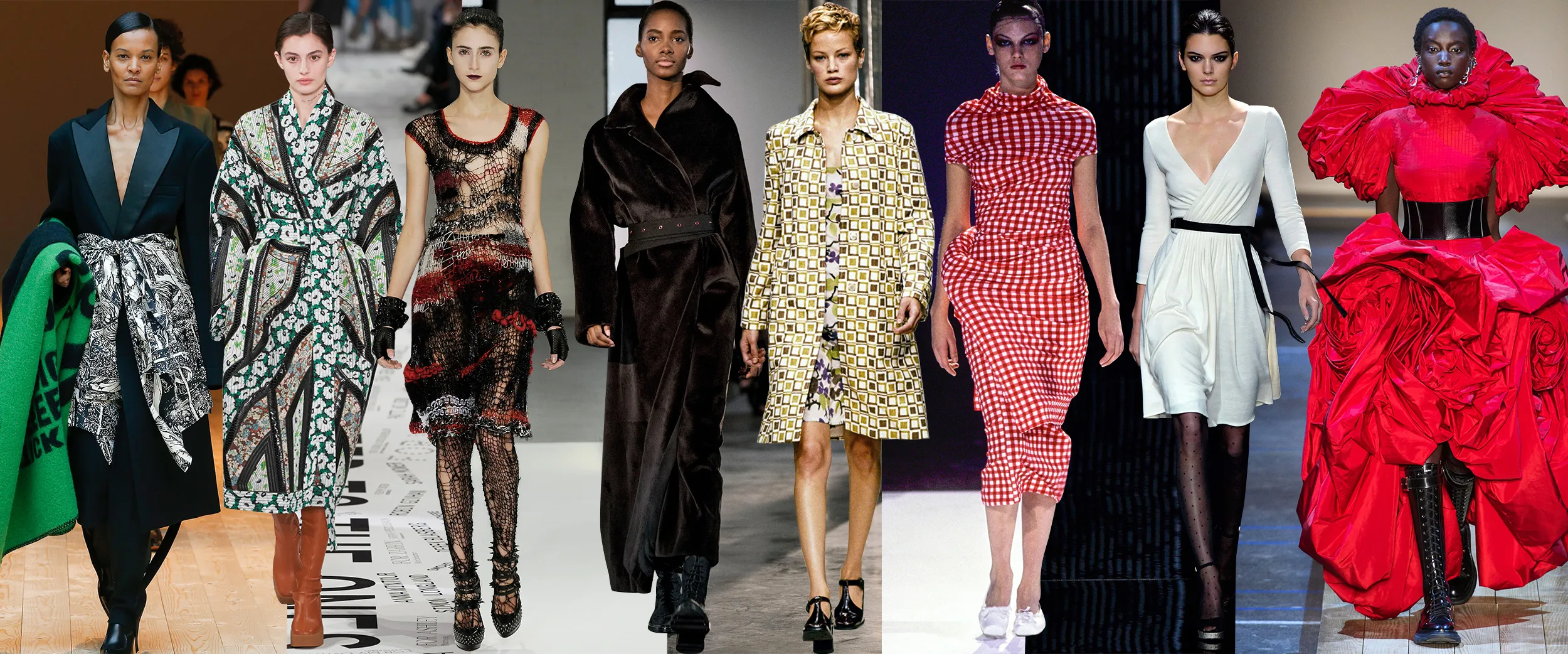
Women’s designer fashion offers more than expensive clothing or recognizable brand names. It gives shoppers an opportunity to explore distinctive designs, refined silhouettes, quality materials, and clothing that reflects individual personality.
However, buying designer fashion can sometimes feel confusing. A higher price does not automatically mean a piece is right for your wardrobe. The most useful approach is to consider the design, fit, construction, versatility, and occasions where you will actually wear it.
From tailored jackets and elegant dresses to handbags, footwear, and statement eveningwear, designer fashion covers a wide range of styles. This guide explains how to choose and style designer pieces while creating a wardrobe that feels fashionable without becoming impractical.
What Is Women’s Designer Fashion?
Women’s designer fashion refers to clothing, accessories, footwear, and other fashion products developed under the creative direction of a designer or fashion house.
It can include everyday ready-to-wear clothing, luxury accessories, tailored pieces, cocktail dresses, eveningwear, and couture. Designer fashion is generally associated with a recognizable creative identity, distinctive construction, craftsmanship, or design approach.
Importantly, designer fashion is not defined by price alone. A beautiful designer piece should offer something meaningful to the wearer, whether that is an unusual silhouette, excellent tailoring, distinctive detailing, or a design that fits perfectly into an existing wardrobe.
Why Choose Designer Fashion?
There are several reasons shoppers choose designer clothing.
Distinctive Designs
Designer collections often have recognizable silhouettes, colors, patterns, proportions, and details. This can make individual pieces feel more expressive than mass-market alternatives.
Better Wardrobe Versatility
A carefully selected designer blazer, coat, dress, or handbag can potentially work with many outfits. The key is choosing a piece that complements clothes you already own.
Personal Expression
Fashion is a form of self-expression. Designer clothing can help someone communicate a particular aesthetic, whether that is minimalist, feminine, sophisticated, edgy, classic, or contemporary.
Attention to Detail
Details such as stitching, fabric selection, lining, buttons, hardware, and construction can influence how a garment looks and feels. These details are worth examining before making an expensive purchase.
Popular Types of Women’s Designer Fashion
Designer fashion includes many categories, so the best choice depends on your lifestyle.
| Fashion Category | Suitable For |
|---|---|
| Designer dresses | Parties, dinners, weddings, events |
| Tailored blazers | Work and smart-casual outfits |
| Designer trousers | Professional and everyday dressing |
| Evening gowns | Formal occasions |
| Handbags | Everyday and statement styling |
| Designer shoes | Completing formal or casual outfits |
| Knitwear | Layering and everyday wear |
| Coats | Practical luxury and seasonal dressing |
If you are new to designer fashion, start with a category you will wear regularly rather than purchasing something simply because it looks impressive.
How to Choose the Right Designer Pieces
Start With Your Existing Wardrobe
Before buying a designer item, consider what you already own.
For example, if your wardrobe contains neutral trousers, jeans, shirts, and simple dresses, a well-tailored blazer could give you more styling options than an extremely dramatic statement piece.
Prioritize Fit
Fit should be one of your biggest considerations.
Check the shoulders, sleeves, waist, length, and overall proportions. Even an expensive garment can look disappointing when the fit is unsuitable.
If alterations are possible, consider whether small adjustments could improve the garment without changing its original structure.
Examine the Materials and Construction
Look closely at:
- Fabric composition
- Stitching
- Seams
- Lining
- Closures
- Buttons
- Zippers
- Embellishments
- Hardware
These details can help you make a more informed purchasing decision.
Consider Cost Per Wear
Instead of asking only whether an item is expensive, consider how frequently you will use it.
A versatile jacket worn regularly may provide more practical value than a highly elaborate dress that is suitable for only one occasion.
Building a Designer Wardrobe
You do not need an entire wardrobe filled with designer clothing.
A better strategy is to build gradually.
Start with one or two pieces that solve a genuine wardrobe need. A structured blazer, versatile dress, quality handbag, elegant coat, or well-cut trousers can become a foundation for multiple outfits.
Once you have those essentials, you can add more distinctive pieces.
Mix Designer and Everyday Clothing
Designer fashion does not have to be worn from head to toe.
A designer jacket can be paired with jeans. A statement handbag can work with a simple outfit. A sophisticated skirt can be styled with an everyday knit.
This approach makes designer pieces feel more natural and allows you to create more outfits without constantly purchasing new clothing.
How to Style Designer Clothing
Good styling is usually about balance.
If you are wearing a dramatic dress, keep accessories relatively simple. If your outfit has an oversized jacket, consider a cleaner silhouette underneath.
For everyday fashion, combine statement pieces with neutral basics. This allows one item to become the focus without making the entire outfit visually overwhelming.
You should also consider color coordination. Neutral designer pieces are often easier to style across different seasons, while bold colors and prints can add personality when used thoughtfully.
Choose Accessories Carefully
Accessories can completely change the appearance of an outfit.
A simple dress can look elegant with structured accessories, while a highly embellished outfit may need understated jewelry and footwear.
The goal is not to use as many designer pieces as possible. The goal is to create a cohesive outfit.
Designer Fashion for Special Occasions
Women’s designer fashion is particularly popular for weddings, parties, dinners, formal celebrations, and other important events.
When choosing occasionwear, consider the dress code, venue, season, time of day, and level of formality.
A cocktail dress may work well for a semi-formal dinner, while a formal evening event may require a longer gown or sophisticated tailored look.
You should also think about rewearability. A dress that can be styled differently for several occasions may be a smarter choice than an extremely specific statement outfit.
For readers interested in youthful occasionwear and current dress inspiration, a guide to Hoco dress fashion from Fashion Nova can provide additional ideas about silhouettes, styling, and event-focused looks.
The Role of Technology in Fashion Design
Fashion design is no longer limited to sketches on paper. Digital technology has become an important part of modern design workflows.
Designers can use digital tools to develop concepts, experiment with colors and shapes, create technical drawings, and organize their ideas before producing physical garments.
For anyone interested in the design side of the industry, learning about fashion design software can be a useful next step. Digital fashion tools can help beginners understand how modern designers turn creative ideas into more structured designs.
Technology is particularly useful for people who want to explore fashion design as a creative skill rather than simply shop for designer clothing.
Common Designer Fashion Mistakes
Buying Only for the Label
A famous brand does not automatically make every garment suitable for you.
Always consider fit, design, materials, versatility, and how often you will wear it.
Following Every Trend
Trends can be exciting, but building an entire wardrobe around short-lived trends can become expensive.
Instead, combine current pieces with classic silhouettes and colors that work with your personal style.
Ignoring Comfort
If you cannot comfortably sit, walk, move, or spend several hours in an outfit, you may not wear it often.
Comfort should be part of the buying decision, especially for shoes, fitted clothing, and occasionwear.
Buying for an Imaginary Lifestyle
One common mistake is purchasing clothes for occasions that rarely occur.
Think about your real schedule and lifestyle. Your wardrobe should support the way you actually live.
Forgetting Garment Care
Some designer garments require specialist cleaning or careful storage. Always check care instructions before purchasing delicate fabrics, embellishments, or structured garments.
Key Takeaways
- Women’s designer fashion is about design, craftsmanship, identity, and personal style—not just brand names.
- Choose pieces according to your lifestyle and existing wardrobe.
- Fit is often more important than the popularity of a label.
- Start with versatile designer pieces before purchasing highly specialized items.
- Mix designer clothing with everyday fashion for more styling flexibility.
- Use accessories to balance statement outfits.
- Consider cost per wear when evaluating expensive purchases.
- Avoid buying trends or garments for occasions you rarely attend.
FAQs
What is women’s designer fashion?
Women’s designer fashion includes clothing, footwear, handbags, accessories, and occasionwear developed under a designer or fashion house’s creative direction.
Is designer fashion worth buying?
Designer fashion can be worthwhile when a piece fits well, suits your lifestyle, offers useful versatility, and has qualities you genuinely value. Price alone should not determine the decision.
What designer piece should I buy first?
A versatile blazer, coat, dress, handbag, or pair of trousers can be a good starting point because these pieces can often be styled in multiple ways.
How can I style designer clothing casually?
Pair designer pieces with simple everyday clothing. For example, a designer jacket can work with jeans, while a statement handbag can elevate a basic outfit.
How can I make designer clothes last longer?
Follow the garment’s care instructions, store delicate pieces properly, avoid unnecessary washing, and use professional cleaning when recommended.
Are designer clothes always better quality?
No. Quality varies between brands and individual garments. Examine the construction, materials, finishing, and fit instead of assuming that a designer label guarantees quality.
Should I follow fashion trends when buying designer clothing?
Trends can add freshness to a wardrobe, but it is usually more practical to combine trend-led pieces with timeless designs that you can continue wearing.
Conclusion
Women’s designer fashion can be a valuable part of a personal wardrobe when it is approached thoughtfully. The best purchases are not necessarily the most expensive or recognizable pieces. They are the ones that fit well, suit your lifestyle, work with your existing clothes, and make you feel confident.
Start with versatile essentials, add statement pieces gradually, and use trends as inspiration rather than rules. Whether you are interested in designer clothing, occasionwear, or the creative process behind fashion design, thoughtful choices will always create a stronger wardrobe than impulsive shopping.
