
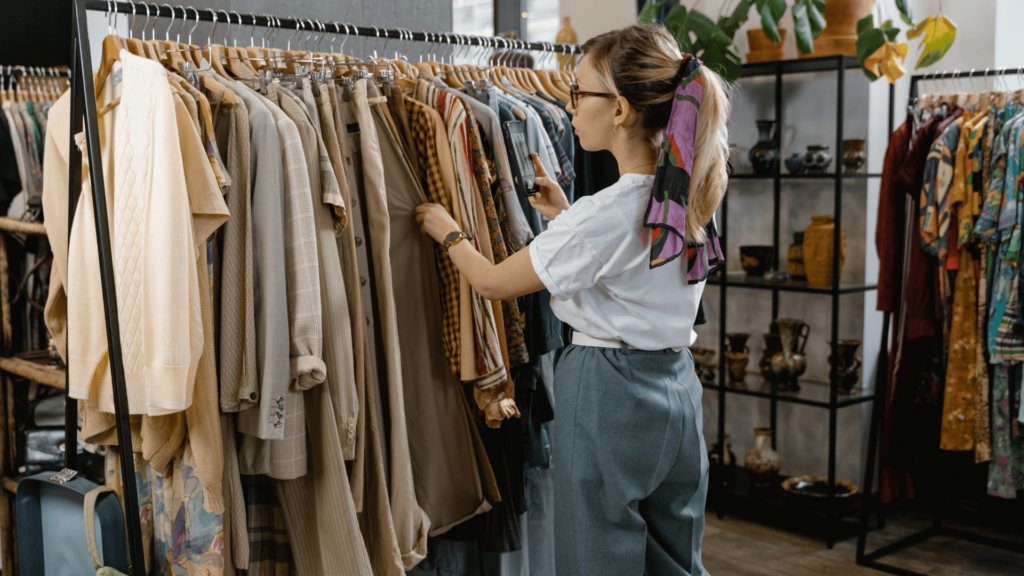
Fashion buying and merchandising sits at the heart of the fashion retail industry. While designers focus on creating products, buyers and merchandisers help determine what should be produced, how much should be purchased, when it should reach stores, and how it can be sold profitably.
For anyone interested in fashion beyond designing clothes, this field offers a practical combination of creativity, business, market research, trend analysis, and commercial decision-making. From selecting seasonal collections to monitoring sales performance, fashion buying and merchandising connects consumer demand with the products retailers actually offer.
What Is Fashion Buying and Merchandising?
Fashion buying and merchandising refers to the business activities involved in selecting, planning, purchasing, promoting, and managing fashion products for a retail business.
Although buying and merchandising are closely connected, they are not exactly the same.
A fashion buyer focuses primarily on selecting products that fit a retailer’s customers, brand identity, and commercial goals. Buyers consider factors such as trends, price, quality, colors, fabrics, and expected customer demand.
A fashion merchandiser, on the other hand, focuses more heavily on the commercial and planning side. Merchandisers analyze sales, manage stock levels, plan product ranges, monitor performance, and help ensure that the right products are available at the right time.
Together, these roles help retailers balance customer expectations, fashion trends, inventory, and profitability.
How Fashion Buying and Merchandising Works
The process usually begins long before customers see a collection in a store or online.
1. Researching Fashion Trends
Fashion professionals monitor upcoming trends through industry events, runway collections, social media, consumer behavior, market research, and previous sales data.
However, following every trend is not the goal. Buyers need to determine which trends are suitable for their particular customers.
For example, a retailer specializing in affordable everyday clothing may choose commercial versions of a trend rather than expensive runway-inspired pieces.
2. Understanding the Target Customer
Knowing the customer is one of the most important parts of the job.
A buying team may consider:
- Age and lifestyle
- Spending habits
- Preferred styles
- Seasonal needs
- Price sensitivity
- Shopping behavior
- Previous purchasing patterns
- Online and in-store preferences
A product can be fashionable but still perform poorly if it does not match the retailer’s target audience.
3. Planning the Product Range
Once trends and customer requirements have been evaluated, teams begin planning the range.
A product range may include different categories such as dresses, trousers, jackets, knitwear, footwear, accessories, or seasonal products.
The aim is to create a balanced selection rather than simply filling the store with similar products.
4. Selecting and Purchasing Products
Buyers assess products and suppliers before placing orders. They may negotiate prices, review samples, evaluate quality, and consider production and delivery requirements.
The buying decision involves more than asking whether a product looks attractive. Buyers also need to consider its potential selling price, expected demand, margins, and suitability for the brand.
5. Managing Stock and Sales
After products arrive, merchandisers monitor how they perform.
Sales information can reveal which products are selling quickly and which ones are moving slowly. Based on this information, retailers may adjust stock, change product placement, introduce promotions, or reduce prices.
This makes merchandising an ongoing process rather than a one-time purchasing decision.
The Difference Between a Fashion Buyer and a Fashion Merchandiser
Although the two roles work closely together, their responsibilities often differ.
| Fashion Buyer | Fashion Merchandiser |
|---|---|
| Selects products and collections | Plans and manages product ranges |
| Researches trends and suppliers | Analyzes sales and stock data |
| Negotiates with suppliers | Monitors inventory levels |
| Considers product appeal | Focuses on commercial performance |
| Places purchasing orders | Helps manage product availability |
| Builds supplier relationships | Supports sales and profitability planning |
In many businesses, both professionals collaborate throughout the entire product lifecycle.
Skills Needed for a Career in Fashion Buying and Merchandising
A successful career in this area requires a mixture of creative and analytical abilities.
Fashion Awareness
Professionals need to understand fashion trends, consumer preferences, fabrics, colors, silhouettes, and seasonal changes.
Analytical Thinking
Sales figures, stock levels, pricing, and product performance all influence commercial decisions. Being comfortable with numbers and data is therefore valuable.
Communication
Buyers and merchandisers regularly communicate with designers, suppliers, manufacturers, retail teams, marketing departments, and management.
Negotiation
Buyers may negotiate costs, order quantities, delivery schedules, and supplier terms. Strong negotiation skills can make a significant difference to commercial outcomes.
Organization
Fashion retail involves multiple products, deadlines, suppliers, and seasonal collections. Good organization helps teams keep everything on schedule.
Commercial Awareness
Understanding how a product can generate revenue is just as important as recognizing whether it is fashionable.
Why Data Matters in Fashion Merchandising
Modern fashion merchandising is increasingly influenced by data.
Retailers can examine previous sales and inventory information to understand customer behavior. For example, if a particular style consistently sells well during a certain season, the merchandising team can use that information when planning future ranges.
Data can also help identify:
- Best-selling products
- Slow-moving inventory
- Popular sizes and colors
- Seasonal demand
- Product markdown requirements
- Differences between online and physical-store performance
The best decisions often combine data with fashion judgment rather than relying exclusively on either one.
Fashion Buying and Merchandising in Online Retail
E-commerce has changed how fashion products are bought and merchandised.
In an online store, merchandising can involve deciding which products appear prominently on category pages, how collections are organized, which products are recommended together, and how seasonal campaigns are presented.
Online retailers can also collect customer behavior data, including product views, searches, purchases, and abandoned shopping carts.
This information gives buying and merchandising teams additional insight into what customers are interested in and where purchasing decisions may be changing.
What Is a Typical Career Path?
There are several possible entry points into fashion buying and merchandising.
Someone might begin as a buying assistant, merchandising assistant, allocation assistant, or junior retail professional. With experience, they may progress into positions such as:
- Assistant Buyer
- Fashion Buyer
- Senior Buyer
- Merchandising Assistant
- Fashion Merchandiser
- Senior Merchandiser
- Buying Manager
- Merchandising Manager
- Head of Buying or Merchandising
The exact job titles and progression vary between retailers and markets.
Education in fashion, fashion business, merchandising, retail management, or a related subject can provide useful preparation. Practical experience, internships, retail knowledge, and strong commercial skills can also be valuable.
Is Fashion Buying and Merchandising a Good Career Choice?
Fashion buying and merchandising can be a strong choice for people who enjoy both fashion and business.
It may suit someone who likes identifying trends but also enjoys working with numbers, planning products, negotiating, analyzing performance, and making commercial decisions.
It is different from a purely creative fashion career. Instead of concentrating mainly on designing garments, professionals in this field think about the entire commercial journey of a product—from identifying an opportunity to getting the finished item in front of the customer and evaluating its performance.
Frequently Asked Questions
What does a fashion buyer do?
A fashion buyer selects products for a retailer based on customer demand, fashion trends, brand identity, pricing, quality, and commercial potential. They may also negotiate with suppliers and place orders.
What does a fashion merchandiser do?
A fashion merchandiser plans and manages product ranges, monitors sales and inventory, analyzes performance, and helps ensure products are available when customers want them.
Is fashion buying and merchandising difficult?
The field can be demanding because it combines creativity, analysis, deadlines, communication, and commercial decision-making. Strong organization and an interest in both fashion and business can make the work more manageable.
Do you need a fashion degree to become a buyer?
A fashion-related degree can be useful, but it is not the only route. Retail experience, commercial knowledge, internships, relevant training, and transferable skills can also help someone enter the industry.
What is the difference between buying and merchandising?
Buying is primarily concerned with selecting and purchasing products, while merchandising focuses more on range planning, stock management, sales analysis, and commercial performance. The two functions work closely together.
Does fashion merchandising involve mathematics?
Yes. Merchandisers often work with sales figures, stock quantities, prices, margins, forecasts, and other numerical information. Strong basic analytical and numerical skills are therefore useful.
Can fashion buying and merchandising be a career in e-commerce?
Yes. Online fashion retailers require buyers and merchandisers to plan product ranges, manage inventory, analyze customer behavior, and present products effectively across digital channels.
Conclusion
Fashion buying and merchandising combines fashion knowledge with retail strategy and commercial thinking. Buyers help decide which products should enter a collection, while merchandisers help plan, manage, and evaluate those products throughout their retail lifecycle.
For people who enjoy fashion but also want to understand the business behind the industry, this field offers a broad range of career opportunities. Success depends on more than spotting the next trend—it requires understanding customers, interpreting data, managing products, communicating effectively, and making thoughtful commercial decisions.
Learn More About: Women’s Designer Fashion
