
The idea of getting into a car without a human driver and simply entering a destination has moved from science fiction toward everyday transportation. Tesla is one of the companies trying to make that idea practical through its Tesla Robotaxi service.
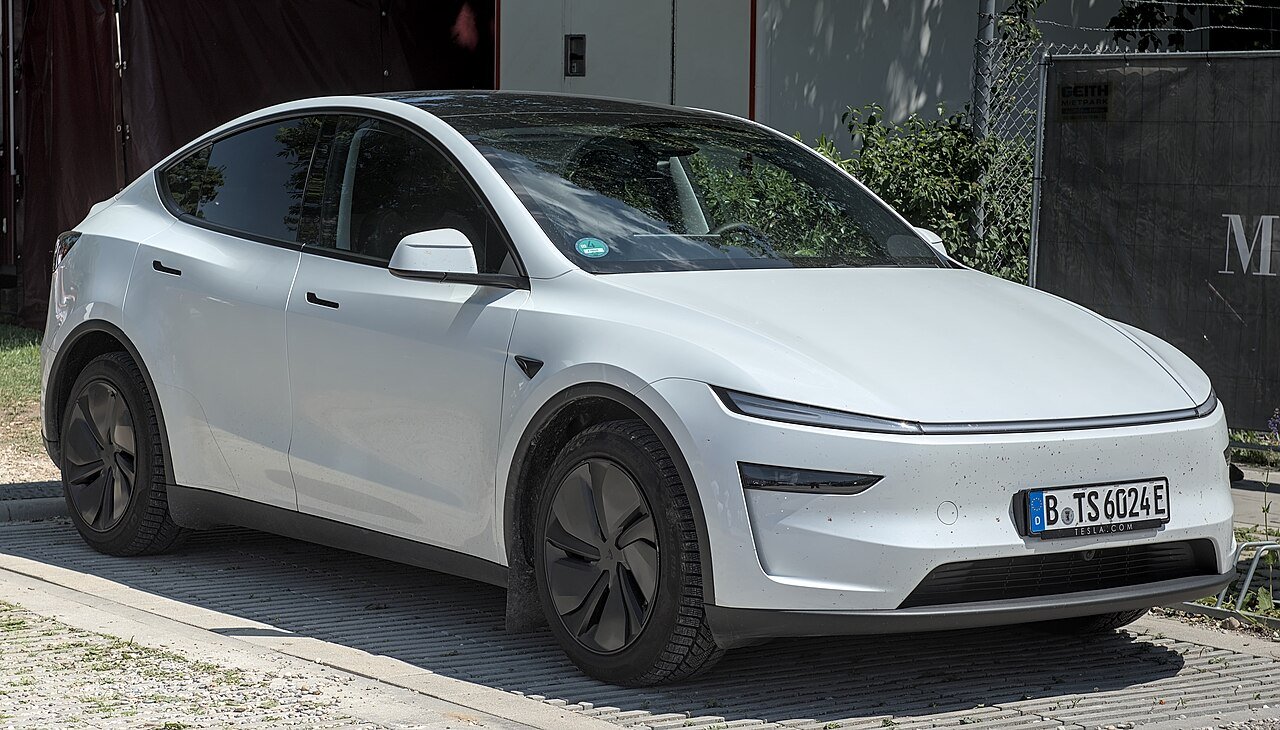
Unlike Tesla’s consumer-facing Full Self-Driving (Supervised) system, which still requires an attentive driver, Robotaxi is designed for autonomous rides in approved service areas. Tesla currently offers Robotaxi rides using Model Y vehicles, while its purpose-built Cybercab is intended to become part of the autonomous fleet in the future.
This guide explains how Tesla Robotaxi works, where it operates, how passengers request rides, what Tesla’s Cybercab has to do with the service, and what limitations users should understand.
What Is Tesla Robotaxi?
Tesla Robotaxi is an autonomous ride-hailing service developed by Tesla. Instead of a passenger driving the vehicle or relying on a conventional taxi driver, the Tesla vehicle handles the trip within the supported service area.
Tesla describes Robotaxi as a driverless transportation service that combines its automated driving technology with Tesla vehicle hardware. Passengers can request a ride through a dedicated Robotaxi app, enter their destination, and receive an autonomous trip.
The service is different from simply buying a Tesla with advanced driver-assistance features. Robotaxi vehicles operate as part of Tesla’s commercial autonomous ride service, while FSD (Supervised) remains a system that requires the driver to stay attentive.
Why Is Robotaxi Important?
A successful autonomous taxi network could change how people think about transportation.
Potential advantages include:
- On-demand transportation without a traditional driver
- Greater convenience for passengers
- Potentially lower operating costs at scale
- More flexible transportation options
- A foundation for larger autonomous vehicle networks
However, autonomous transportation also creates major technical, regulatory, safety, and operational challenges.
How Does Tesla Robotaxi Work?
The basic process is designed to be simple for passengers.
1. Download the Robotaxi App
Passengers can use Tesla’s dedicated Robotaxi app for iOS or Android. Tesla says users sign in using their Tesla Account credentials.
2. Enter a Destination
After opening the app, the passenger enters a destination that falls within the currently supported service area.
3. Request a Ride
The app shows available ride options and provides a price estimate before the passenger confirms the trip.
4. Enter the Vehicle
Once the Robotaxi arrives, the passenger enters and follows the instructions provided through the vehicle and app.
5. Complete the Trip
The autonomous vehicle drives to the selected destination. After arriving, passengers can collect their belongings, exit, close the doors, and provide feedback through the app.
Where Is Tesla Robotaxi Available?
Availability is one of the most important details for anyone interested in trying the service.
As of August 2026, Tesla’s official Robotaxi page lists limited service in:
| State | Cities |
| Texas | Austin, Dallas, Houston |
| Florida | Miami, Orlando, Tampa |
Tesla notes that the service operates only in limited areas of these cities, so being located in one of the listed cities does not necessarily mean every address is covered. The app displays the applicable service area.
Operating hours can also vary by location. Tesla says passengers cannot request a Robotaxi outside the operating hours for their particular service area.
Tesla Robotaxi vs. FSD (Supervised)
One of the easiest ways to misunderstand Tesla’s autonomous-driving technology is to treat Robotaxi and FSD (Supervised) as the same thing.
They are not.
| Feature | Robotaxi | FSD (Supervised) |
| Intended use | Autonomous ride service | Driver-assistance system |
| Human driver required | No driver for the autonomous service | Yes |
| Passenger can ride without driving | Yes | Not applicable |
| Dedicated Robotaxi service | Yes | No |
| Current service availability | Limited areas | Wider customer availability |
| Driver attention required | Robotaxi system handles the trip | Driver must remain attentive |
Tesla explicitly states that FSD (Supervised) requires the driver to remain attentive and ready to take over. Tesla also says the system does not make the vehicle autonomous.
That distinction matters when discussing Tesla’s progress toward fully autonomous transportation.
What Is the Tesla Cybercab?
The Cybercab is Tesla’s purpose-built vehicle for autonomous transportation.
Tesla says the Cybercab is intended to offer fully autonomous rides in the future. Unlike the Model Y vehicles currently used in the Robotaxi service, Cybercab was designed specifically around the robotaxi concept.
Tesla has also published first-responder resources for Cybercab, including emergency response and rescue information. This indicates that Tesla is preparing documentation for the vehicle’s use in autonomous service environments.
The long-term vision is important because a purpose-built autonomous vehicle could be optimized around passenger transportation rather than traditional private-car ownership.
How Much Does a Tesla Robotaxi Ride Cost?
Tesla does not publish one universal Robotaxi price because pricing can vary by location and trip.
According to Tesla’s support information, the price estimate is shown in the Robotaxi app before a passenger confirms a ride. Tesla says it aims to keep Robotaxi pricing simple and easy to understand.
This means the best way to determine the current cost is to enter the desired trip in the app rather than relying on an old advertised price.
Factors such as location, service availability, and Tesla’s current pricing structure can affect what a passenger sees.
Benefits of Tesla’s Robotaxi Service
If autonomous ride-hailing becomes reliable at large scale, it could provide several practical benefits.
Convenience
Passengers don’t have to drive, navigate traffic, or find parking. The ride can be requested through an app.
Potential Accessibility Benefits
Tesla says its Robotaxi vehicles are designed with accessibility needs in mind, including space for service animals and room for some wheelchairs and assistive devices.
Scalable Transportation
Autonomous vehicles could potentially operate for longer periods than individually owned cars, increasing the utilization of each vehicle.
New Transportation Model
Robotaxi services could eventually sit between private car ownership and conventional taxi or ride-hailing services.
Challenges and Safety Considerations
Autonomous driving is not simply a software problem. It involves real-world roads, unpredictable human behavior, weather, regulations, emergency response, and public trust.
Tesla has created dedicated Robotaxi incident-reporting resources and first-responder documentation, reflecting the operational requirements of running autonomous vehicles on public roads.
Regulation is another major factor. Government agencies continue to develop rules and oversight frameworks for automated vehicles. In July 2026, the U.S. National Highway Traffic Safety Administration announced actions intended to accelerate automated-vehicle development while establishing new safety standards and oversight approaches.
For consumers, the key point is simple: Robotaxi availability should not be interpreted as proof that autonomous driving is universally solved. Service remains geographically limited, and autonomous systems must operate within specific technical and regulatory conditions.
What Does the Future Look Like?
Tesla’s long-term Robotaxi strategy goes beyond operating a few autonomous vehicles in selected cities.
The company has already expanded Robotaxi operations beyond its earliest service area. Tesla’s January 2026 investor materials said it had begun testing driverless Robotaxis in Austin and was removing the safety monitor from customer rides on a limited basis, while also outlining expansion plans for additional cities.
Tesla’s current service page now lists Austin, Dallas, Houston, Miami, Orlando, and Tampa, showing that the service has expanded beyond its earlier footprint.
The next major step is scaling. Tesla will need to demonstrate that autonomous rides can operate safely and consistently across more roads, traffic conditions, neighborhoods, and cities.
The Cybercab could become particularly important if Tesla succeeds in moving from limited Robotaxi operations toward a larger purpose-built autonomous fleet.
Key Takeaways
- Tesla Robotaxi is Tesla’s autonomous ride-hailing service.
- Robotaxi is different from FSD (Supervised), which still requires an attentive driver.
- Tesla currently lists Robotaxi availability in limited areas of Austin, Dallas, Houston, Miami, Orlando, and Tampa.
- Passengers request rides through Tesla’s dedicated Robotaxi app.
- Pricing is displayed in the app before a ride is confirmed.
- Tesla’s Cybercab is designed as a purpose-built autonomous vehicle for future Robotaxi operations.
- Safety, regulation, service-area limits, and scaling remain important considerations.
FAQs
1. What is Tesla Robotaxi?
Tesla Robotaxi is an autonomous ride-hailing service that allows passengers to request driverless Tesla rides through a dedicated app in supported service areas.
2. Is Tesla Robotaxi fully autonomous?
Tesla’s Robotaxi service is designed for autonomous rides. This should not be confused with FSD (Supervised), which Tesla says requires an attentive driver and does not make the vehicle autonomous.
3. Where can I use Tesla Robotaxi?
As of August 2026, Tesla lists limited Robotaxi service in Austin, Dallas, Houston, Miami, Orlando, and Tampa. Exact coverage depends on the service area shown in the app.
4. How do I request a Tesla Robotaxi?
Download the Robotaxi app, sign in with a Tesla Account, enter a destination within the supported area, and request a ride. The app provides the relevant ride information and price estimate.
5. How much does a Tesla Robotaxi cost?
There is no single price for every trip. Tesla says the price estimate is displayed in the Robotaxi app before the ride is confirmed.
6. What is Tesla Cybercab?
Cybercab is Tesla’s purpose-built vehicle intended for fully autonomous transportation. Tesla says it will offer Robotaxi rides in the future.
7. Is Tesla FSD the same as Robotaxi?
No. FSD (Supervised) is a driver-assistance system that requires the driver to remain attentive. Robotaxi is Tesla’s separate autonomous ride service.
Conclusion
The Tesla Robotaxi represents one of the most ambitious attempts to turn autonomous driving into a consumer transportation service. Tesla has moved beyond demonstrations by offering limited autonomous rides in multiple U.S. cities, while continuing to develop the Cybercab for future use.
For passengers, the concept is straightforward: request a ride through an app, enter the vehicle, and let the autonomous system handle the journey. For Tesla, however, the bigger challenge is scaling the technology safely and consistently.
The coming years will show whether Robotaxi can grow from a limited service into a widespread alternative to traditional ride-hailing and private car ownership.
Learn About: KMFUSA
