
Tesla remains one of the most closely watched companies in the automotive and technology industries. Its electric vehicles have already changed expectations around range, software updates, charging, and vehicle technology. Now, much of the attention is shifting toward autonomous transportation.
The latest Tesla news is particularly significant because the company has moved another step toward its long-promised robotaxi future. Tesla has launched its purpose-built Cybercab in limited commercial operations, giving the public a closer look at a vehicle designed without conventional driver controls.
At the same time, the company faces important questions about safety, regulation, technology and how quickly autonomous transportation can realistically scale.
For people following Tesla today, the biggest story is no longer just the next Model 3 or Model Y update. It is whether Tesla can successfully turn its autonomous-driving ambitions into a dependable transportation business.
What Is the Latest Tesla News?
One of the biggest current developments is Tesla’s expansion of its autonomous transportation strategy through the Cybercab.
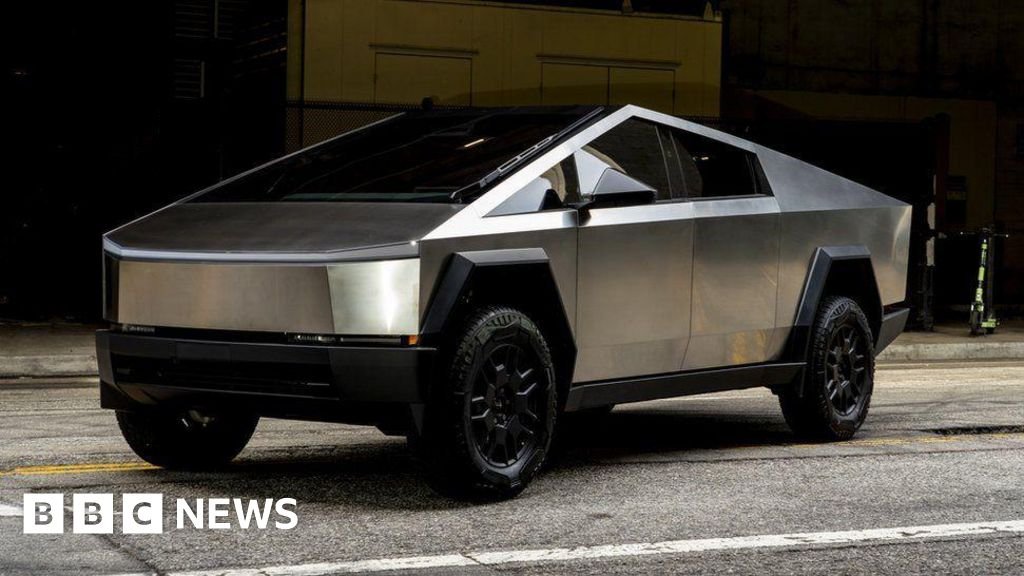
The two-seat vehicle is designed specifically for driverless transportation. Unlike a conventional Tesla, the Cybercab does not have a traditional steering wheel or pedals. Tesla has positioned it as a purpose-built vehicle for its future autonomous ride-hailing network.
The launch is a major development, but it also comes with regulatory attention. The U.S. National Highway Traffic Safety Administration, or NHTSA, is examining Tesla’s certification process for the Cybercab and whether the vehicle complies with existing federal safety requirements.
This makes the current Tesla story about more than technology. It is also about whether regulations can keep pace with vehicles designed around autonomous operation.
Tesla Cybercab Enters the Spotlight
The Cybercab represents a different approach to vehicle design.
Instead of starting with a normal car and adding autonomous technology, Tesla designed the vehicle around the idea that a human driver may not be needed.
According to current reporting, the Cybercab has:
- Two passenger seats
- No conventional steering wheel
- No traditional pedals
- A design focused on autonomous transportation
- Integration with Tesla’s wider Robotaxi strategy
Tesla’s launch is significant because autonomous vehicles have traditionally been modified versions of existing cars. A purpose-built vehicle gives manufacturers more freedom to rethink the interior, controls and passenger experience.
However, the unusual design also creates regulatory challenges.
Existing vehicle safety rules were largely developed around cars operated by human drivers. A vehicle without traditional manual controls therefore raises difficult questions about how older standards should apply to newer autonomous designs.
NHTSA’s investigation means the Cybercab rollout will be closely watched by regulators, competitors and consumers.
Tesla Robotaxi Expansion
Robotaxi technology is at the heart of Tesla’s current strategy.
Tesla’s Robotaxi service allows passengers to request autonomous rides through a dedicated application in supported locations. The service has expanded beyond its earliest Austin operations, with Tesla’s service information listing limited coverage in cities including Austin, Dallas, Houston, Miami, Orlando and Tampa.
The basic experience is designed to be simple:
- Open the Robotaxi application.
- Enter a destination.
- Request an available vehicle.
- Enter the vehicle when it arrives.
- Allow the autonomous system to handle the trip.
The service remains geographically limited, meaning availability depends on the specific operating area.
For readers who want a deeper explanation of how Tesla’s autonomous ride service works, the guide on Tesla Robotaxi and how the service works provides additional background on Robotaxi availability, the Cybercab and the difference between Robotaxi and FSD.
That distinction is important because Tesla uses several different terms for its autonomous-driving technology, and they do not all mean the same thing.
Full Self-Driving Continues to Develop
Another major part of current Tesla news is Full Self-Driving, commonly referred to as FSD.
Tesla’s FSD (Supervised) system is different from its Robotaxi service. FSD (Supervised) is a driver-assistance system that requires the driver to remain attentive and ready to take control. Tesla itself states that the system does not make the vehicle autonomous.
That means consumers should not assume that buying a Tesla with FSD automatically gives them access to a completely driverless vehicle.
Tesla continues to improve the system through software updates and real-world driving data. The company’s approach relies heavily on artificial intelligence, cameras and software rather than the combination of cameras, radar and lidar used by some competitors.
This strategy has been one of the most debated aspects of Tesla’s autonomous-driving program.
Supporters argue that Tesla’s large vehicle fleet provides valuable driving data that can help improve its software. Critics continue to question whether a camera-focused approach can handle every possible road and weather condition safely.
The difference between driver assistance and true autonomous transportation remains one of the most important points for anyone following Tesla technology.
Why Regulators Are Watching Tesla
Technology alone does not determine whether autonomous vehicles can become mainstream.
Government regulation is equally important.
The latest Cybercab developments demonstrate this clearly. NHTSA is reviewing Tesla’s self-certification process for the new vehicle, particularly because it lacks conventional controls such as a steering wheel and brake pedal.
This does not automatically mean that the Cybercab program will fail. Instead, it shows how quickly autonomous vehicle technology is moving into areas where existing regulations may not have been designed for the latest vehicle concepts.
Safety is another major issue.
An autonomous vehicle must deal with:
- Pedestrians
- Cyclists
- Emergency vehicles
- Construction zones
- Poor visibility
- Unpredictable drivers
- Changing traffic patterns
- Different road designs
- Weather conditions
A system that works well under normal conditions must also respond appropriately when something unexpected happens.
That is why Tesla’s future progress will depend not only on software improvements but also on safety evidence, regulatory approvals and public confidence.
Tesla’s Broader Technology Strategy
Although autonomous driving is receiving much of the attention, Tesla’s ambitions extend beyond robotaxis.
The company has increasingly presented itself as a technology and artificial-intelligence company as well as an electric vehicle manufacturer. Its strategy includes electric cars, energy storage, charging infrastructure, AI systems, autonomous driving and robotics.
Tesla’s 2025 reporting described the company’s direction as a transition toward becoming a physical AI company, while highlighting Robotaxi, Cybercab, Optimus and expanded AI training infrastructure.
This broader strategy matters because Tesla’s long-term valuation and business expectations are increasingly connected to technologies beyond traditional car sales.
The question for investors and consumers is therefore not simply how many electric vehicles Tesla can sell. It is whether its software, autonomous transportation and AI projects can become large and sustainable businesses.
What Tesla News Means for Drivers and Consumers
For everyday drivers, Tesla’s developments could eventually have a noticeable effect on transportation.
If autonomous vehicles become reliable and widely approved, consumers could have more transportation options without owning or driving a car themselves.
Potential benefits could include:
- More convenient transportation
- Reduced dependence on traditional taxis
- Greater vehicle utilization
- New mobility options for some passengers
- Potentially lower transportation costs at scale
However, these benefits should be viewed as possibilities rather than guarantees.
The technology still faces regulatory, operational and public-acceptance challenges. Consumers should also understand the difference between an autonomous Robotaxi operating in an approved area and a privately owned Tesla using FSD (Supervised).
Tesla’s rapid technological development also makes it useful to look at related subjects beyond automobiles. For example, people interested in structured activities and technology-adjacent lifestyle topics may encounter resources such as KMFUSA and its approach to structured training. While unrelated to Tesla’s automotive technology, it is an example of how modern online publications increasingly cover specialized subjects across different areas of interest.
What to Watch Next
The next stage of Tesla’s story will be particularly important.
Here are several developments worth watching:
1. Cybercab Regulatory Progress
The outcome of regulatory scrutiny could influence how quickly Tesla expands its purpose-built robotaxi fleet.
2. Robotaxi Expansion
Tesla will need to prove that autonomous rides can operate consistently across more cities, roads and traffic conditions.
3. FSD Improvements
Future software updates could determine how quickly Tesla’s driver-assistance technology improves and expands into additional markets.
4. European Approval
Tesla is also seeking broader acceptance for its supervised self-driving technology in Europe. The company recently reported favorable safety comparisons from more than 100 million kilometers of driving across five European countries, although the data and approval process remain subject to scrutiny.
5. Competition
Tesla is not operating in isolation. Waymo and Zoox are also expanding autonomous ride services across the United States, making the robotaxi market increasingly competitive.
Key Takeaways
- The latest Tesla news is heavily focused on autonomous transportation.
- Tesla has launched limited Cybercab operations in Austin.
- The Cybercab is designed without traditional steering and pedal controls.
- NHTSA is examining Tesla’s Cybercab certification process.
- Tesla Robotaxi service is available only in selected areas.
- Robotaxi should not be confused with FSD (Supervised).
- FSD (Supervised) still requires an attentive human driver.
- Tesla is also pursuing broader AI, robotics and energy opportunities.
- Regulation and safety remain major factors in Tesla’s autonomous-driving strategy.
- Competition from Waymo and Zoox is increasing.
- The success of Cybercab and Robotaxi could have a major influence on Tesla’s future direction.
FAQs
What is the latest Tesla news?
The latest major Tesla development is the launch of its purpose-built Cybercab robotaxi in limited operations. U.S. regulators are also examining Tesla’s certification process for the new vehicle.
What is Tesla Cybercab?
Tesla Cybercab is a purpose-built autonomous vehicle designed for robotaxi operations. It is a two-seat vehicle without conventional steering-wheel and pedal controls.
Is Tesla Robotaxi fully autonomous?
Tesla’s Robotaxi service is designed for autonomous rides in supported service areas. It is different from FSD (Supervised), which requires an attentive human driver.
Where is Tesla Robotaxi available?
Tesla currently lists limited Robotaxi availability in parts of Austin, Dallas, Houston, Miami, Orlando and Tampa. Exact availability depends on the supported service area.
Is Tesla FSD the same as Robotaxi?
No. FSD (Supervised) is a driver-assistance system that requires the driver to remain attentive. Robotaxi is a separate autonomous ride service.
Why is NHTSA investigating Tesla Cybercab?
NHTSA is examining Tesla’s certification process and whether the steering-wheel-free Cybercab complies with existing federal motor vehicle safety requirements.
What makes Tesla’s autonomous strategy different?
Tesla has focused heavily on software, artificial intelligence and camera-based driving technology, while some competitors use additional sensing technologies such as lidar and radar.
Will Tesla Robotaxi expand to more cities?
Tesla has indicated ambitions to expand its autonomous transportation network. However, future expansion depends on technology performance, safety, regulations and operational readiness.
Conclusion
The current Tesla news cycle shows that the company is entering an important new phase. Electric vehicles remain central to Tesla, but autonomous transportation is becoming an increasingly important part of its future strategy.
The Cybercab launch is a major step because it moves Tesla closer to a vehicle designed specifically around driverless transportation. At the same time, regulatory scrutiny highlights the challenges involved in bringing unconventional autonomous vehicles onto public roads.
For consumers, the most important thing is to separate current capabilities from future promises. Robotaxi services are still limited, while FSD (Supervised) continues to require human attention.
Tesla’s next chapter will depend on whether it can combine technological progress with safety, regulatory approval and public trust. As Robotaxi services expand and the Cybercab program develops, Tesla is likely to remain one of the most closely followed names in the automotive and technology industries.
