
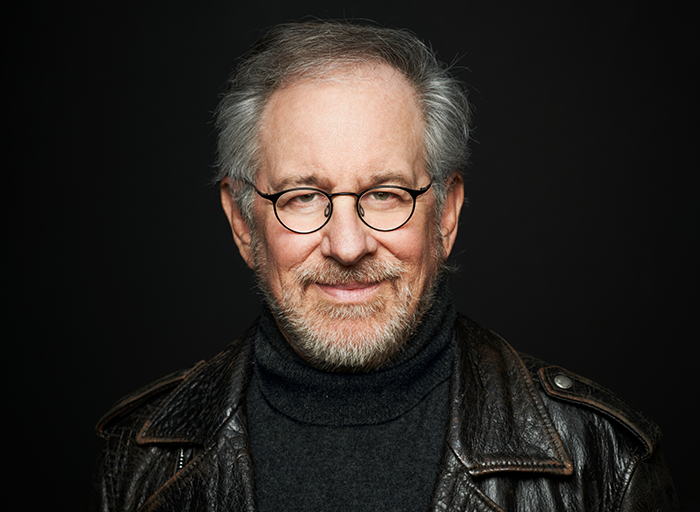
Steven Spielberg is one of the most recognizable names in the history of cinema. For more than five decades, his films have entertained audiences, influenced generations of filmmakers, and changed the way Hollywood approaches blockbuster storytelling.
From suspense-filled adventures to emotional historical dramas, Spielberg has demonstrated an unusual ability to work successfully across different genres. He helped create the modern summer blockbuster with Jaws, brought science fiction to audiences of all ages with E.T. the Extra-Terrestrial, and delivered critically acclaimed dramas such as Schindler’s List.
Steven Spielberg: Who Is He?
Steven Spielberg is an American film director and producer whose work has had a major influence on popular entertainment and modern filmmaking. Born on December 18, 1946, he developed an interest in movies at a young age and eventually became one of Hollywood’s most successful directors.
Spielberg is known for combining technical skill with emotional storytelling. His films often explore themes such as:
- Family and childhood
- Adventure and discovery
- Fear and survival
- Friendship and human connection
- History and memory
- War and moral responsibility
His ability to move between large-scale entertainment and serious drama has made his career especially distinctive.
A Childhood Interest in Filmmaking
Steven Allan Spielberg was born in Cincinnati, Ohio, and spent parts of his childhood in several American cities. From an early age, he showed a strong interest in cameras, storytelling, and filmmaking.
As a teenager, Spielberg experimented with making amateur films. These early projects gave him practical experience and helped him understand how cameras, editing, music, and visual storytelling could work together.
Rather than following only a traditional path into filmmaking, he developed his skills through hands-on work and persistence.
Early Influences
Spielberg grew up during a period when cinema was becoming increasingly important in American popular culture. Adventure films, westerns, science fiction, and television all influenced his imagination.
Many of these interests later appeared in his work. His films often combine the wonder of childhood with carefully constructed suspense.
How Steven Spielberg’s Film Career Began
Early Television Work
Before becoming a major Hollywood director, Spielberg worked in television. One of his early achievements was directing episodes for television series.
His 1971 television film Duel gained significant attention. The story, centered on a driver pursued by a threatening truck, demonstrated Spielberg’s ability to create suspense using movement, editing, sound, and limited visual information.
The success of Duel helped establish him as a talented young director.
The Road to Major Success
Spielberg continued developing his career before directing Jaws, the film that would transform his professional life.
The production of Jaws faced significant challenges, but the finished movie became a major commercial and cultural success. It also demonstrated Spielberg’s ability to create tension by carefully controlling what audiences could and could not see.
The Breakthrough: Jaws
How Jaws Changed Hollywood
Released in 1975, Jaws became a landmark in film history. The story of a seaside community threatened by a giant shark created enormous public interest.
The film’s success helped establish the idea of the modern summer blockbuster: a major studio release supported by widespread marketing and large-scale theatrical distribution.
More importantly, Jaws proved that Spielberg could create a film that was both commercially successful and technically impressive.
The movie remains an important example of suspense filmmaking.
Steven Spielberg’s Most Famous Movies
Spielberg has directed films across many genres. Some of his best-known works include:
| Movie | Release Year | Genre |
| Jaws | 1975 | Thriller |
| Close Encounters of the Third Kind | 1977 | Science Fiction |
| Raiders of the Lost Ark | 1981 | Adventure |
| E.T. the Extra-Terrestrial | 1982 | Science Fiction |
| The Color Purple | 1985 | Drama |
| Jurassic Park | 1993 | Science Fiction/Adventure |
| Schindler’s List | 1993 | Historical Drama |
| Saving Private Ryan | 1998 | War Drama |
| Catch Me If You Can | 2002 | Biographical Drama |
| Lincoln | 2012 | Historical Drama |
| The Fabelmans | 2022 | Drama |
E.T. the Extra-Terrestrial
E.T. became one of the most beloved family science-fiction films ever made. Its emotional story focused on the friendship between a young boy and an alien stranded on Earth.
The movie showed Spielberg’s talent for telling extraordinary stories through relatable human emotions.
Jurassic Park
Released in 1993, Jurassic Park became a major milestone in visual effects. Its combination of practical effects and computer-generated imagery helped set new expectations for blockbuster filmmaking.
The film also demonstrated Spielberg’s ability to balance spectacle, suspense, humor, and character-driven storytelling.
Schindler’s List
Also released in 1993, Schindler’s List showed another side of Spielberg’s work. The historical drama focused on Oskar Schindler and the Holocaust.
The film received major critical recognition and demonstrated Spielberg’s ability to handle serious historical subjects with a powerful visual and emotional approach.
Steven Spielberg’s Filmmaking Style
Building Suspense
One of Spielberg’s greatest strengths is suspense. He often creates tension by delaying important visual information.
For example, instead of immediately showing the source of danger, he may use:
- Camera movement
- Music
- Character reactions
- Sound effects
- Strategic editing
This technique allows the audience’s imagination to become part of the experience.
Visual Storytelling
Spielberg is also known for using the camera to communicate emotion and information without excessive dialogue.
A single shot may reveal:
- A character’s reaction
- An approaching danger
- A relationship between people
- A change in the environment
This visual approach helps make his films accessible to audiences around the world.
Emotional Connection
Despite the large scale of many of his films, Spielberg often focuses on personal experiences.
Even in stories involving dinosaurs, aliens, wars, or historical events, audiences are usually introduced to characters with understandable fears, hopes, and relationships.
Awards and Major Achievements
Steven Spielberg has received numerous awards and honors throughout his career.
His achievements include:
- Multiple Academy Awards
- Major recognition for directing
- International awards and honors
- Successful films across several decades
- A major influence on modern filmmakers
He has won the Academy Award for Best Director for Schindler’s List and Saving Private Ryan.
His success is especially notable because he has remained relevant across changing generations of audiences and major changes in filmmaking technology.
Spielberg as a Producer
Beyond Directing
Spielberg’s influence extends beyond the films he personally directs. He has also worked as a producer and helped support a wide range of successful film and television projects.
Through production work, he has contributed to the development of stories across different genres and formats.
His involvement behind the scenes has expanded his influence throughout the entertainment industry.
Supporting New Stories
Producing allows filmmakers to contribute creatively without directing every project themselves. Spielberg’s career demonstrates how a director can also play a broader role in shaping the entertainment industry.
His production work has helped bring many successful projects to audiences.
Steven Spielberg’s Impact on Hollywood
The Modern Blockbuster
Spielberg played a major role in shaping the blockbuster era.
Films such as Jaws, E.T., Raiders of the Lost Ark, and Jurassic Park demonstrated that a movie could become a major cultural event.
Today, large-scale releases often depend on ideas that became more prominent during the rise of the modern blockbuster, including:
- Broad audience appeal
- Strong visual identity
- Memorable characters
- Major marketing campaigns
- Event-style theatrical releases
Influence on Future Filmmakers
Many directors have identified Spielberg as an important influence. His work is frequently studied because it combines commercial storytelling with strong technical craftsmanship.
His films have also influenced the way directors approach:
- Camera movement
- Suspense
- Visual effects
- Family-centered stories
- Historical drama
- Adventure filmmaking
Steven Spielberg’s Personal Life
Spielberg has generally kept many aspects of his personal life separate from his professional work. He has been married to actress Kate Capshaw and has a large family.
His personal experiences have occasionally influenced his storytelling. The Fabelmans, for example, drew inspiration from aspects of his early life and relationship with filmmaking.
The film gave audiences a more personal perspective on the experiences that helped shape his creative journey.
Why Steven Spielberg’s Legacy Continues
A Career Across Generations
Few filmmakers have maintained such a long and influential career. Spielberg’s films have reached audiences from different generations, making his work a continuing part of global popular culture.
A person who watched Jaws in the 1970s may now share E.T. or Jurassic Park with younger family members.
That ability to remain culturally relevant is one of the strongest parts of his legacy.
Balancing Entertainment and Meaning
The Steven Spielberg Steven Spielberg search term reflects continued public interest in a filmmaker whose career includes both commercial blockbusters and serious dramatic work.
His success shows that popular entertainment can also contain emotional depth, historical reflection, and memorable storytelling.
Key Takeaways
- Steven Spielberg is one of the most influential filmmakers in modern cinema.
- He is known for films including Jaws, E.T., Jurassic Park, and Schindler’s List.
- His career began with an early interest in filmmaking and television work.
- Jaws helped define the modern summer blockbuster.
- Spielberg is known for suspense, visual storytelling, and emotional narratives.
- He has worked successfully across science fiction, adventure, drama, historical films, and war stories.
- His influence extends beyond directing through his work as a producer.
- His films continue to inspire audiences and filmmakers worldwide.
Frequently Asked Questions
1. Who is Steven Spielberg?
Steven Spielberg is an American director and producer known for creating some of the most successful and influential films in modern cinema.
2. What is Steven Spielberg’s most famous movie?
There is no single answer, as several of his films are globally famous. Jaws, E.T. the Extra-Terrestrial, Jurassic Park, and Schindler’s List are among his best-known works.
3. How old was Steven Spielberg when he directed Jaws?
Steven Spielberg was in his late twenties when Jaws was released in 1975, making its success an important early milestone in his career.
4. Has Steven Spielberg won an Oscar?
Yes. Spielberg has won Academy Awards, including Best Director for Schindler’s List and Saving Private Ryan.
5. What is Steven Spielberg known for?
He is known for directing influential films across several genres and for helping shape the modern Hollywood blockbuster.
6. Did Steven Spielberg direct Jurassic Park?
Yes. Steven Spielberg directed Jurassic Park, which was released in 1993 and became a major landmark in visual effects and adventure filmmaking.
Conclusion
Steven Spielberg’s career is a remarkable example of creativity, technical skill, and long-term influence. From the suspense of Jaws to the emotional warmth of E.T., the visual spectacle of Jurassic Park, and the historical depth of Schindler’s List, his work has covered an extraordinary range of stories.
What makes Spielberg’s legacy particularly powerful is his ability to connect large cinematic ideas with human emotion. He has created films that entertain millions while also shaping how audiences and filmmakers think about cinema.
For anyone searching for Steven Spielberg Steven Spielberg, the essential story is clear: he is not simply a successful Hollywood director. He is one of the defining filmmakers of modern cinema, whose influence continues to be seen across movies, television, technology, and popular culture.
Learn About: Bill Oakley Actor
