
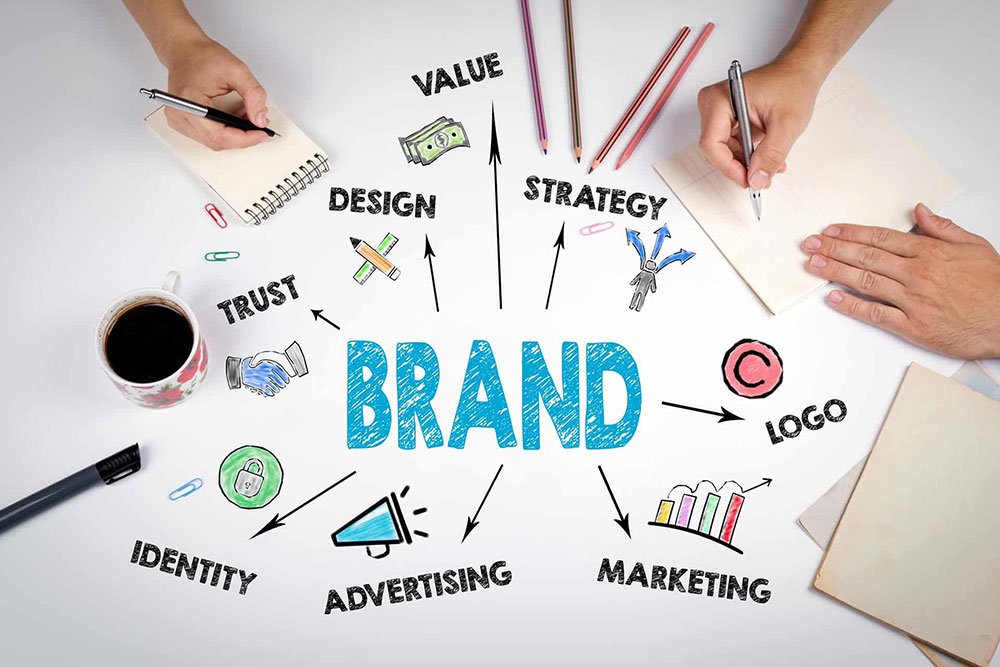
Personal branding is the way you deliberately communicate who you are, what you do, what you know, and what makes your approach different.
Think of it as the reputation you build around your professional identity. When someone sees your name online, visits your profile, reads your content, or hears about you from someone else, you want them to have a clear idea of what you represent.
For example, a marketing professional might become known for practical growth strategies, while a designer may build a reputation around minimalist visual identities. A consultant could focus on helping small businesses solve specific operational problems.
Your personal brand doesn’t have to make you famous. It should make you recognizable and trustworthy to the right people.
Why Personal Branding Matters
People often research professionals before deciding whether to work with them. Your online presence can therefore influence opportunities such as employment, partnerships, speaking engagements, consulting work, and business relationships.
A thoughtful personal brand can help you:
- Communicate your expertise clearly
- Build professional credibility
- Stand out in a competitive market
- Attract relevant opportunities
- Develop stronger professional relationships
- Demonstrate knowledge before someone contacts you
- Create a consistent online presence
However, personal branding isn’t about pretending to be someone you’re not. The strongest brands usually come from combining genuine expertise with a clear communication style.
It Helps People Remember You
Being good at something isn’t always enough if people don’t understand what you do. A clear personal brand gives your audience something specific to associate with your name.
Instead of simply saying, “I’m a digital marketer,” you might communicate that you help SaaS companies create content strategies that generate qualified leads.
That level of clarity makes your positioning much easier to understand.
The Core Elements of a Strong Personal Brand
A successful personal brand doesn’t depend on having a perfect logo, expensive website, or huge social media following. Several more important elements work together.
Expertise
Start with what you genuinely know. Your knowledge, skills, professional experience, and problem-solving ability form the foundation of your brand.
You don’t need to know everything. In fact, focusing on a specific area can make your expertise easier to recognize.
Positioning
Positioning answers a simple question:
What do you want people to remember you for?
Your answer should connect your skills with a specific audience or problem.
For example:
“I help local businesses improve their online visibility through practical content and search strategies.”
This is much clearer than simply calling yourself a “marketing expert.”
Consistency
Consistency doesn’t mean publishing content every day. It means keeping your message, professional focus, and overall communication reasonably consistent.
Your LinkedIn profile, website, portfolio, social accounts, and professional conversations should tell a similar story.
Authenticity
People can usually recognize when content feels forced. You don’t need to share every detail of your personal life to appear authentic.
Instead, communicate your real opinions, lessons, professional experiences, and areas of expertise in a way that feels natural to you.
Trust
A personal brand becomes valuable when people trust the person behind it.
Trust can be developed by:
- Sharing useful information
- Supporting claims with reliable evidence when appropriate
- Showing examples of your work
- Being transparent about your experience
- Giving credit to others
- Communicating professionally
- Following through on commitments
How to Build Your Personal Brand Step by Step
Building a personal brand becomes much easier when you approach it systematically.
1. Define Your Strengths
Make a list of the skills, subjects, and activities you’re genuinely comfortable discussing.
Ask yourself:
- What am I particularly good at?
- What problems can I solve?
- What do colleagues or clients ask me about?
- What topics could I discuss for a long time?
- What kind of work do I want more of?
Look for patterns. Those patterns can help you identify your professional focus.
2. Identify Your Target Audience
A brand becomes stronger when it speaks to a specific group.
Your audience could be:
- Recruiters
- Business owners
- Marketing managers
- Startup founders
- Potential clients
- Industry professionals
- Other creators
You don’t necessarily need to appeal to everyone. Being highly relevant to the right audience is often more useful than being vaguely interesting to everyone.
3. Create a Clear Professional Profile
Review the places where people can find you online.
Your profile should quickly communicate:
Who you are + what you do + who you help + what makes your approach useful.
Use a professional photo where appropriate, a clear headline, and a concise description of your experience.
If you have a portfolio or website, make sure visitors can easily understand your services and find examples of your work.
4. Choose a Few Content Themes
Don’t try to talk about everything.
Choose around three to five themes connected to your expertise. For example, a content strategist might focus on:
- Content strategy
- Search visibility
- Content research
- Writing processes
- Lessons from professional projects
These themes create structure without making your content repetitive.
5. Share Useful Content
Content is one of the easiest ways to demonstrate what you know.
Depending on your field, you can publish:
- Practical guides
- Short professional opinions
- Case-study breakdowns
- Lessons learned
- Tutorials
- Industry observations
- Mistakes to avoid
- Answers to common questions
Don’t create content simply because you feel you need to post something. Ask whether the content helps your intended audience understand a problem, make a decision, or learn something useful.
Choosing the Right Platform
You don’t need to be everywhere.
The best platform depends on your profession and audience.
LinkedIn can be particularly useful for professional networking, career development, B2B relationships, and industry discussions.
Instagram can work well for visual portfolios, creators, designers, photographers, and professionals whose work benefits from strong visual presentation.
YouTube is useful for people who can explain complex subjects through demonstrations, tutorials, interviews, or longer educational content.
X or other discussion-focused platforms may suit professionals who enjoy sharing ideas, participating in industry conversations, and building relationships through short-form posts.
The important point is to choose platforms where your target audience is actually active.
Creating Content That Builds Authority
Authority doesn’t come from repeatedly telling people you’re an expert. It comes from demonstrating useful knowledge.
A simple content approach is:
Teach → Explain → Demonstrate → Discuss
For example, instead of posting “I’m an SEO expert,” you could explain how you evaluate a website’s content structure, demonstrate your process with an example, and discuss what businesses commonly get wrong.
This gives people something concrete to evaluate.
Tell Stories When They Add Value
Professional stories can make educational content more memorable.
You might explain how you solved a difficult project problem, what went wrong during a campaign, or what you learned from working with a particular type of client.
The story should still provide a useful lesson rather than becoming self-promotion without substance.
Common Personal Branding Mistakes
Building a reputation takes time, and several mistakes can weaken your efforts.
Trying to Be Everything to Everyone
A profile that lists ten unrelated skills can leave people unsure about your actual specialty.
Focus on a few connected areas instead.
Copying Other Professionals
It’s fine to learn from successful creators, but copying their voice, content style, or personality can make your brand feel artificial.
Study what works, then adapt the underlying principles to your own experience.
Focusing Only on Self-Promotion
Constantly talking about your services can make your content feel like advertising.
Balance promotional posts with education, useful observations, conversations, and insights.
Chasing Followers Instead of Relevance
A large audience isn’t automatically a valuable audience.
A smaller community of people who understand your expertise and genuinely care about your work can create better professional opportunities than a large but unrelated following.
Inconsistent Communication
Changing your professional focus every few weeks can make it difficult for people to understand what you’re known for.
Your interests can evolve, but give your audience enough consistency to recognize your expertise.
How to Measure Your Progress
Personal branding isn’t measured only by follower counts.
Pay attention to signals such as:
- Relevant profile views
- Meaningful comments and conversations
- Professional connection requests
- Website or portfolio visits
- Inquiries from potential clients
- Recruitment opportunities
- Collaboration requests
- Invitations to contribute, speak, or participate in projects
Also consider the quality of your network. If the right people are beginning to recognize your work, your personal brand is moving in the right direction.
Frequently Asked Questions
What is the main purpose of personal branding?
The main purpose is to clearly communicate your professional identity, expertise, values, and unique strengths so the right people can recognize and trust you.
Is personal branding only for entrepreneurs?
No. Employees, freelancers, students, consultants, creators, executives, and job seekers can all benefit from developing a professional reputation.
How long does it take to build a personal brand?
There is no fixed timeline. Building recognition generally requires consistent communication, useful work, and genuine professional relationships over time.
Do I need a large social media following?
No. A large following can be useful, but relevance and trust are often more important. A smaller audience that includes potential clients, employers, partners, or industry peers may be more valuable.
Should my personal brand be different from my business brand?
They can be connected without being identical. A business brand usually represents an organization, while a personal brand represents an individual. The two can support each other when their values and messaging are aligned.
What should I post about?
Start with subjects connected to your skills and the problems your target audience cares about. Educational content, professional lessons, practical advice, project insights, and informed opinions can all work well.
Can personal branding help with career growth?
Yes. A clear professional presence can make it easier for employers, recruiters, clients, and industry peers to understand your capabilities and remember your expertise.
Conclusion
Personal branding is ultimately about building a clear and credible reputation around your expertise. You don’t need to become an online celebrity or publish content constantly. You need a clear focus, a genuine voice, useful ideas, and enough consistency for people to understand what you bring to the table.
Start by defining what you want to be known for, identify the audience you want to reach, choose the platforms that matter, and consistently demonstrate your knowledge. Over time, those efforts can turn your professional identity into a valuable asset that creates meaningful opportunities.
Learn About: Starting a Small Business
