
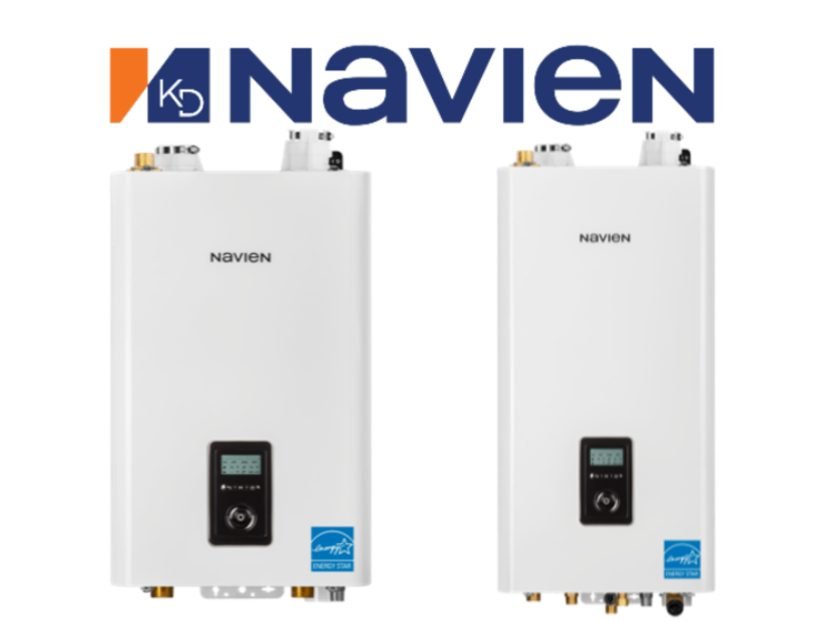
Have you ever walked over to your water heater expecting a hot shower, only to be greeted by cold water and a blinking error code? It’s frustrating. Most people don’t think much about their heating system until something goes wrong. And when it does, finding the right help quickly makes all the difference.
The good news is that many issues are easier to understand than they first appear. Whether you’re dealing with a tankless water heater or a combi-boiler, knowing when to troubleshoot and when to reach out for Navien tech support can save time, money, and a lot of stress.
Why Reliable Technical Support Matters
Modern heating systems are designed to be efficient, but they’re also packed with sensors, electronic controls, and safety features. That means a small issue can sometimes trigger an error message that seems more serious than it really is.
Professional technical support helps you:
- Understand error codes correctly
- Avoid unnecessary repairs
- Keep the unit operating efficiently
- Extend the lifespan of your equipment
- Stay safe while troubleshooting
Sometimes the solution is surprisingly simple. Other times, it’s best to let a trained technician handle it.
Common Problems Homeowners Experience
Not every problem requires a major repair. Here are a few situations many homeowners run into.
No Hot Water
This is probably the most common complaint. It may happen because of:
- Low gas pressure
- Water flow issues
- A temporary ignition failure
- Dirty filters
Checking the basics before scheduling service can save an unnecessary visit.
Error Codes on the Display
Seeing numbers and letters flash across the screen can be confusing.
Every code points toward a specific issue, whether it’s related to ignition, water pressure, sensors, or ventilation. Looking up the code in the owner’s manual is often the first step before contacting support.
Strange Noises
A little operating noise is perfectly normal.
Loud banging, whistling, or repeated clicking isn’t. Mineral buildup, trapped air, or worn components could be responsible.
Water Leaks
Even a small leak deserves attention.
Loose connections may be easy to fix, but leaks from inside the unit usually need professional inspection.
Basic Troubleshooting Before Calling
I always recommend checking a few simple things first. You’d be surprised how often they solve the problem.
Verify Power
Make sure the unit is receiving electricity.
A tripped breaker or unplugged power cord happens more often than people admit.
Check Gas Supply
If your gas appliances aren’t working properly, the issue may not be with the heater itself.
Confirm the gas valve is fully open.
Look at Water Pressure
Low pressure can prevent proper operation.
If your home’s water pressure seems unusually weak, fixing that issue may restore normal performance.
Clean the Air Intake
Dust and debris can restrict airflow over time.
Keeping the intake clean helps maintain efficient operation.
When It’s Time to Contact Navien Tech Support
Some situations simply require expert help.
Reach out for Navien tech support if you notice:
- Repeated error codes after resetting the unit
- Water leaking from internal components
- Burning smells
- Ignition failures that keep returning
- Frozen pipes or damaged heat exchangers
- System shutdowns that won’t clear
Trying to repair internal parts without proper training can create larger problems later.
Helpful Information to Have Ready
Before speaking with a technician, gather a few details.
It makes the conversation much smoother.
- Model number
- Serial number
- Installation date
- Error code displayed
- Brief description of the issue
- Any troubleshooting you’ve already completed
This information allows support teams to narrow down possible causes much faster.
Keeping Your System Running Smoothly
Regular maintenance really does pay off.
Simple habits can reduce unexpected breakdowns.
Schedule Annual Service
An annual inspection helps identify worn parts before they fail.
Flush the System
Mineral deposits naturally build up over time, especially in areas with hard water.
Routine flushing keeps efficiency high.
Replace Filters
Dirty filters reduce performance and can create unnecessary strain on the system.
Watch for Small Changes
If the unit suddenly sounds different or takes longer to heat water, don’t ignore it.
Small symptoms often become expensive repairs if left alone.
Choosing Professional Repair Services
Not every heating contractor has experience with advanced tankless systems.
Look for technicians who:
- Have experience with Navien products
- Understand tankless water heater diagnostics
- Explain repairs clearly
- Offer warranty-backed work
- Receive positive customer reviews
A qualified technician can usually identify the issue much faster than someone unfamiliar with the equipment.
Final Thoughts
Heating equipment isn’t something most of us enjoy thinking about—until it stops working. A little preventative care, paired with knowing when to contact Navien tech support, can keep your system reliable throughout the year.
Most problems don’t appear overnight. Paying attention to unusual noises, warning codes, or changing performance gives you a chance to fix issues before they become costly repairs. And honestly, that’s something every homeowner appreciates.
FAQs
What should I do if my Navien unit displays an error code?
Write down the exact code, check your owner’s manual, and restart the unit if recommended. If the code returns, contact technical support for further guidance.
Can I reset my Navien water heater?
Yes. Many models include a reset function, but repeated resets without solving the underlying issue aren’t recommended.
How often should a Navien system be serviced?
Most professionals recommend a full maintenance inspection once a year, especially for tankless water heaters and combi-boilers.
Why is my Navien water heater making unusual noises?
Mineral buildup, air trapped in the system, or aging components are common causes. A professional inspection can determine the exact reason.
Can regular maintenance reduce repair costs?
Yes. Routine cleaning, flushing, and annual inspections help prevent larger mechanical failures and keep the system operating efficiently.
Read More Informative Blogs: Here
