
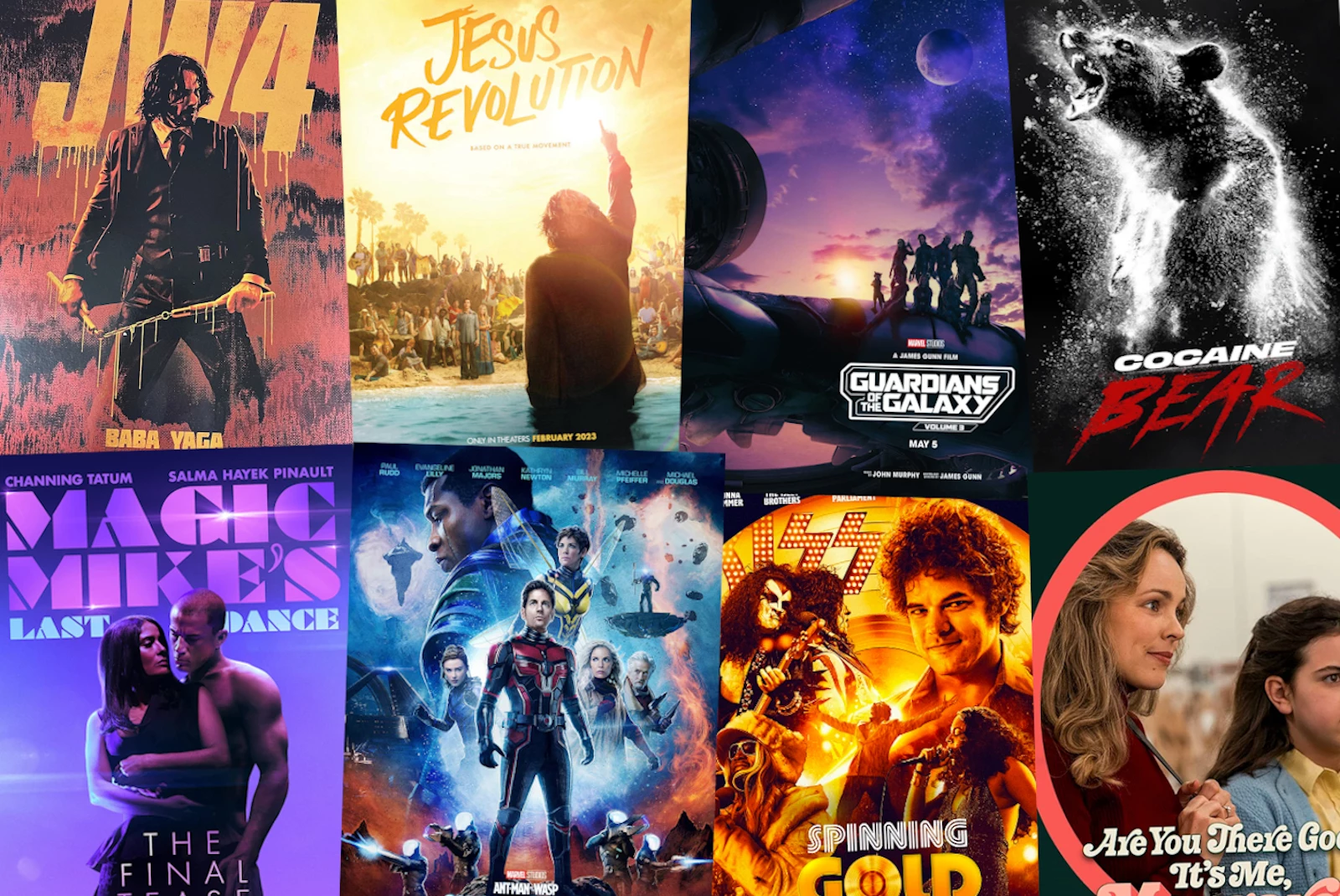
Movie trailers have become one of the most important ways audiences discover films before they reach theaters or streaming platforms. A well-made trailer can introduce a new story in just a few minutes, showcase memorable performances, and create excitement without giving away every important detail.
For movie fans, trailers are more than simple advertisements. They can provide clues about a film’s genre, cast, director, production style, release plans, and overall atmosphere. Whether you enjoy action blockbusters, horror films, romantic dramas, animated features, or independent cinema, keeping up with movie trailers can help you discover what is coming next.
This guide explains what makes a trailer effective, where to find new previews, how to avoid spoilers, and how to decide whether a movie deserves a place on your watchlist.
What Are Movie Trailers?
Movie trailers are short videos created to promote films and generate interest among potential viewers. They typically combine selected scenes, dialogue, music, visual effects, and on-screen text to communicate the basic idea of a movie.
A trailer normally does not tell the complete story. Instead, it gives viewers enough information to understand the premise and decide whether the film looks interesting.
A typical trailer may introduce:
- The main characters
- The central conflict
- Important locations
- The movie’s genre
- Major actors
- The visual style
- The general tone
- The expected release period
For example, an action trailer may focus on large set pieces, while a horror trailer may rely more heavily on atmosphere, suspense, and brief glimpses of frightening scenes.
Why Are Movie Trailers Important?
Trailers play an important role in modern film marketing. Before watching a movie, audiences often want some idea of what they can expect.
A strong trailer can help viewers:
- Discover upcoming films
- Compare different movies
- Learn about new actors or directors
- Understand a movie’s genre
- Decide what to watch in theaters or at home
- Add interesting releases to a watchlist
Trailers are also useful for filmmakers and studios because they create awareness before release. A popular trailer can generate conversations on social media, encourage searches, and increase anticipation for the full movie.
However, a trailer should not be treated as a guarantee that the finished film will be enjoyable. Marketing teams carefully select scenes to create a particular impression, so the actual movie may feel different.
What Information Can You Learn From a Trailer?
A trailer can provide surprisingly useful information if you know what to look for.
1. Story Premise
Most trailers introduce the basic situation surrounding the main character. You may learn what problem needs to be solved or what challenge the characters face.
2. Genre and Tone
The editing, music, dialogue, and imagery can indicate whether a movie is intended to be funny, frightening, emotional, dramatic, or action-focused.
3. Cast
Trailers often reveal the main performers. This can be particularly useful when a movie features a well-known actor or an emerging performer you want to follow.
4. Visual Style
Cinematography, production design, costumes, special effects, and locations can give you an early impression of the movie’s visual identity.
5. Release Information
Many trailers display a release date or release window. Some also identify whether the movie is coming to theaters, a streaming service, or both.
Different Types of Movie Trailers
Not every promotional video serves the same purpose. Studios may release several versions during a movie’s marketing campaign.
Teaser Trailers
A teaser is usually short and designed primarily to create curiosity. It may reveal very little about the story and focus on a character, setting, visual concept, or memorable moment.
Official Trailers
The main trailer generally provides more information about the plot, characters, and conflict. It is often released closer to the film’s premiere.
Final Trailers
A final trailer may arrive shortly before release and can contain additional footage intended to attract viewers who are still undecided.
International Trailers
Some films receive different trailers for different markets. These versions may use different editing, dialogue, subtitles, or footage depending on the target audience.
How to Find the Latest Movie Trailers
Finding new trailers is relatively easy, but the quality and reliability of sources can vary.
For the most accurate information, start with official movie studios, distributors, filmmakers, and verified entertainment channels. These sources are more likely to provide legitimate footage and accurate release information.
You can also keep track of upcoming releases through reputable entertainment websites and movie databases.
If you’re interested in exploring what films are coming next, browsing guides focused on new movies can also make it easier to discover upcoming releases and decide which trailers you want to watch.
For example, you can explore this helpful resource on new movies to discover more information related to upcoming and recently released films.
How to Watch Trailers Without Spoilers
One common problem with modern trailers is that some reveal more of a movie than viewers expect. Major plot twists, surprise appearances, and important character developments can sometimes appear in promotional footage.
To reduce the risk of spoilers:
- Watch the shortest teaser first.
- Avoid reading comments before watching the movie.
- Don’t search for detailed trailer breakdowns if you want surprises.
- Be careful with extended trailers and promotional clips.
- Stop watching once you have enough information to decide whether you’re interested.
If you’re especially sensitive to spoilers, a teaser may be a better choice than a full-length trailer.
How Trailers Influence Movie Choices
A trailer often becomes a viewer’s first impression of a film. Within a few minutes, audiences may decide whether they want to watch it, ignore it, or learn more about it.
Several elements can influence that decision.
Music
Music can immediately establish the mood. A dramatic score may make a scene feel more emotional, while fast-paced music can increase the sense of excitement.
Editing
Quick cuts can make an action film feel energetic, whereas longer shots may create a slower, more serious atmosphere.
Characters
A memorable character can make a trailer stand out. Audiences often connect with a movie because of its protagonist, antagonist, or unusual supporting character.
Visual Effects
For science-fiction, fantasy, and superhero films, visual effects can be one of the biggest attractions. Viewers may watch a trailer specifically to see how a fictional world has been created.
Trailer vs. Movie Clip: What’s the Difference?
A trailer and a movie clip have different purposes.
| Feature | Movie Trailer | Movie Clip |
| Main purpose | Promote the overall film | Showcase a specific scene |
| Length | Usually a few minutes or less | Often focuses on one scene |
| Story coverage | Multiple scenes | One particular moment |
| Editing | Highly edited | Usually closer to the original scene |
| Spoiler risk | Can vary | May reveal more context |
A trailer gives you a broad preview, while a movie clip allows you to experience a particular moment from the actual film.
If you enjoy watching individual scenes after checking a trailer, you can explore this guide about movie clip videos for more information about this type of film content.
What Makes a Good Movie Trailer?
Not every trailer creates the same level of excitement. The most effective ones usually balance information with mystery.
A good trailer should:
- Introduce the main concept clearly
- Establish the movie’s tone
- Show interesting characters
- Use footage that represents the film fairly
- Create curiosity
- Avoid unnecessary spoilers
- Give viewers a reason to keep watching
The best trailers often leave audiences with questions rather than answering everything. If viewers finish the video wanting to know what happens next, the trailer has probably achieved its primary purpose.
At the same time, misleading marketing can disappoint audiences. If a trailer makes a film appear completely different from the finished product, viewers may feel that their expectations were manipulated.
How to Choose Movies Based on Trailers
Watching dozens of trailers can become overwhelming, especially when several major films are promoted at the same time. A simple evaluation process can help.
Step 1: Check the Premise
Does the basic story interest you? If the concept immediately catches your attention, continue exploring.
Step 2: Consider the Genre
Make sure the movie matches the type of entertainment you enjoy. A great trailer for a genre you dislike may still not be a good choice for you.
Step 3: Look at the Cast and Filmmakers
Actors, directors, writers, and producers can provide useful context, particularly if you’ve enjoyed their previous work.
Step 4: Watch the Trailer Once
Try not to repeatedly analyze every scene. Your first reaction can tell you whether the movie genuinely interests you.
Step 5: Check the Release Details
Before adding a film to your plans, confirm when and where it will be available. Some movies have theatrical releases, while others are distributed directly through streaming platforms.
Key Takeaways
- Movie trailers provide short previews of films before release.
- They usually introduce the story, characters, genre, and visual style.
- Teasers are generally shorter and more mysterious than full trailers.
- Official sources are the safest places to find authentic promotional footage.
- Trailers can contain spoilers, so viewers should choose carefully.
- A trailer can help you decide what to add to your movie watchlist.
- Movie clips are different from trailers because they usually focus on a specific scene.
- A strong trailer creates curiosity without explaining the entire movie.
FAQs
What is the purpose of a movie trailer?
The main purpose of a movie trailer is to promote a film and encourage audiences to watch it. It provides a preview of the story, characters, tone, and visual style.
How long are movie trailers?
Most movie trailers are around one to three minutes long, although the exact length varies. Teasers are often shorter, while extended promotional videos can be longer.
Where can I watch official movie trailers?
Official trailers are commonly released through movie studios, distributors, filmmakers, and verified entertainment channels. Checking official sources helps ensure that you are watching legitimate footage.
Can movie trailers contain spoilers?
Yes. Some trailers reveal important story developments, characters, or major scenes. If you want to avoid spoilers, start with a teaser and avoid extended promotional videos.
What is the difference between a teaser and a trailer?
A teaser is usually shorter and focuses on creating curiosity, while a full trailer generally provides more information about the story, characters, and conflict.
Do trailers accurately represent movies?
Trailers provide a selected version of a film designed for marketing. They can give you a useful idea of the movie’s genre and tone, but they don’t necessarily represent the complete viewing experience.
Why do studios release multiple trailers?
Studios may release several trailers to maintain audience interest over time. Different versions can also highlight different characters, story elements, or aspects of the film.
Conclusion
Movie trailers are an easy and entertaining way to discover films before deciding what to watch. They introduce stories, characters, performances, and visual styles while giving audiences a quick sense of what a movie has to offer.
The best approach is to use trailers as a starting point rather than a final judgment. Watch official previews, pay attention to the genre and premise, avoid trailers that reveal too much, and explore additional information before making your choice.
Whether you’re searching for the next major theatrical release or simply looking for something new to watch at home, keeping up with movie trailers can make discovering your next favorite film much easier.
