
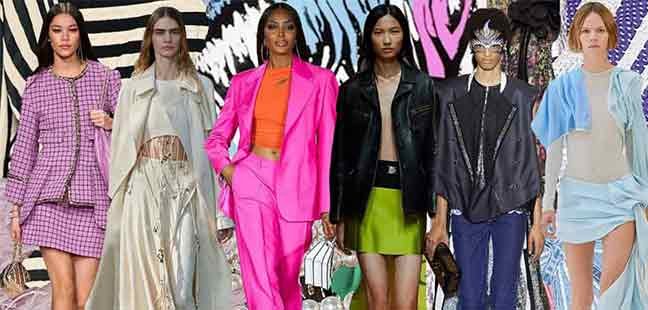
Fashion and lifestyle are changing faster than ever, but the biggest mode- und lifestyle-trends of 2026 are not simply about buying new clothes. They reflect broader changes in how people express identity, spend money, use technology, prioritize wellness, and create their everyday routines.
Current fashion reporting points toward more individuality, expressive colors, tactile fabrics, vintage references, and personality-driven accessories. At the same time, resale, wellness, digital balance, and practical technology are becoming increasingly important parts of modern lifestyles.
This shift creates an interesting balance: people want to look current without feeling controlled by rapidly changing trends. The result is a more personal approach to fashion and lifestyle.
What Are Mode- und Lifestyle-Trends?
Mode- und Lifestyle-Trends describes emerging preferences that influence both what people wear and how they live. “Mode” focuses mainly on clothing, accessories, beauty, and personal appearance, while “lifestyle” includes wellness, travel, home, technology, food, entertainment, and everyday habits.
The two areas increasingly overlap.
For example, someone interested in wellness may choose comfortable clothing, walking-friendly shoes, nutritious food, fitness activities, and relaxing travel experiences. Similarly, someone interested in vintage fashion may also prefer secondhand shopping, independent brands, physical media, or slower forms of entertainment.
The important point is that a trend is not a rule. It is an idea that people can adapt to their own personality, budget, and circumstances.
The Biggest Fashion Trends in 2026
Fashion in 2026 is strongly focused on personal expression rather than one universal aesthetic. Vogue’s reporting on spring and summer 2026 describes the season as expressive, celebratory, and personal, while fall forecasts emphasize individuality, texture, statement pieces, and distinctive accessories.
Some of the most noticeable directions include:
| Trend | What It Looks Like |
|---|---|
| Expressive colors | Plum, bright accents and unexpected color combinations |
| Vintage influence | Retro silhouettes, heritage details and secondhand pieces |
| Statement accessories | Brooches, jewelry, distinctive bags and footwear |
| Relaxed tailoring | Structured but comfortable jackets, trousers and suits |
| Textured fabrics | Velvet, lace, embroidery, suede and tactile materials |
| Sport-inspired style | Team colors, athletic details and sporty accessories |
| Nostalgia | References to the 1990s, 2000s and earlier decades |
Google’s 2026 fashion search data also highlights nostalgia, with searches for polka dots and lace reaching notable highs.
Expressive Colors and Texture
Minimal wardrobes are not disappearing, but they are becoming more interesting. A neutral outfit can be transformed with a colorful bag, patterned scarf, statement jewelry, textured jacket, or distinctive shoes.
Fall 2026 fashion forecasts also highlight richer colors, tactile materials, vintage-inspired pieces, and accessories that communicate personality.
This makes the trend easy to adopt without replacing an entire wardrobe.
Nostalgia and Vintage Style
Nostalgia continues to influence fashion, beauty, entertainment, and lifestyle.
Instead of copying an entire decade, modern styling often takes one recognizable element and combines it with contemporary basics. For example:
- A retro jacket with straight-leg trousers
- A vintage handbag with a modern dress
- Classic sneakers with tailored clothing
- Lace details combined with simple everyday pieces
- A secondhand statement coat styled with contemporary accessories
The growing interest in resale also supports this movement. McKinsey and The Business of Fashion identify secondhand fashion as a significant growth area, with resale expected to expand faster than the firsthand market through 2027.
Vintage therefore represents more than an aesthetic. It can also provide a way to find distinctive pieces while extending the life of existing products.
Individuality Over Perfect Aesthetics
One of the most important lifestyle shifts is the move away from perfectly curated aesthetics.
Social media has made certain visual styles extremely popular, but constant exposure to the same “perfect” look can make personal style feel repetitive. In response, consumers are showing greater interest in authenticity, individuality, and wardrobes that feel connected to real life.
Depop’s 2026 trend report describes this movement as a more intentional approach to personal style, with people refining their wardrobes and focusing on lived-in authenticity instead of endlessly chasing microtrends.
A practical approach is to build a recognizable personal style around:
- A few reliable silhouettes.
- Colors you genuinely enjoy wearing.
- Quality basics.
- One or two distinctive accessories.
- Vintage or secondhand pieces that feel personal.
This creates a wardrobe that remains useful even when social media trends change.
Wellness Is Becoming Part of Lifestyle Culture
Fashion and lifestyle trends are increasingly connected to health, movement, rest, and emotional well-being.
The 2026 fashion industry outlook identifies wellness as a major consumer priority, extending beyond traditional fitness into nutrition, sleep, movement, travel, and experiences.
This can be seen in everyday life through:
- Comfortable clothing designed for movement
- Walking and outdoor activities
- Wellness-focused travel
- Better sleep routines
- Mindful eating
- Fitness and recreational sports
- Time away from constant notifications
The trend is also changing the meaning of luxury. Some consumers increasingly value free time, calm environments, meaningful experiences, and opportunities to disconnect.
Digital Detox and Slower Living
Being constantly connected can make everyday life feel crowded. As a result, digital detox and slower living are emerging as lifestyle ideas rather than occasional wellness challenges.
Vogue’s 2026 consumer trend coverage identifies digital disconnection as a form of luxury and highlights growing interest in slower, more meaningful offline experiences.
A digital detox does not necessarily mean abandoning technology. It can be as simple as:
- Keeping the phone away during meals
- Taking a short screen-free walk
- Having one device-free evening each week
- Turning off unnecessary notifications
- Reading without checking social media
- Spending more time with friends in person
The goal is not to reject technology but to use it more intentionally.
Sustainable Fashion and Resale
Sustainability remains an important part of modern fashion, but the conversation is becoming more practical.
Rather than buying something simply because it is labeled “sustainable,” consumers can consider how long they are likely to use it, whether it can be repaired, and whether they genuinely need it.
Resale is particularly important because it gives clothing another life. The secondhand market also allows shoppers to find unusual designs, older collections, and quality items at different price points. McKinsey’s 2026 fashion analysis identifies resale as one of the industry’s important long-term growth opportunities.
Simple Ways to Make Fashion More Sustainable
Try these habits:
- Buy fewer pieces that you will wear repeatedly.
- Repair clothing instead of immediately replacing it.
- Explore secondhand stores.
- Donate or resell items responsibly.
- Choose versatile garments.
- Take care of fabrics according to their care instructions.
- Avoid buying something only because it is trending online.
Sustainability does not require a perfect wardrobe. Consistent small decisions can make a practical difference.
Sport-Inspired Lifestyle and Everyday Fashion
Sports are also becoming a broader cultural influence.
Pinterest’s 2026 trend report shows how sports aesthetics are moving beyond athletic events into everyday clothing, beauty, food, entertainment, and social experiences. Team colors, performance-inspired details, sneakers, and sporty styling are increasingly used as lifestyle signals.
This trend works because it combines comfort with visual identity.
For example, a person may wear relaxed denim, a sporty jacket, retro sunglasses, and sneakers without actually dressing for exercise. The result is an outfit that feels casual but intentional.
Technology Meets Personal Style
Technology is becoming increasingly connected to fashion and everyday life.
One notable development is smart eyewear. McKinsey’s 2026 fashion outlook identifies smart frames as a potentially important wearable category, combining technology with personal style.
AI is also influencing how consumers discover products, while brands are adapting their digital experiences.
However, technology does not automatically make something fashionable. The most successful products are likely to be those that combine useful functions with comfortable design and a clear visual identity.
How to Follow Trends Without Overspending
You do not need a new wardrobe every season to participate in current trends.
A smarter approach is to use the 80/20 rule:
- 80%: dependable clothing you already love.
- 20%: trend-driven or experimental pieces.
For example, instead of buying five completely new outfits, add one colorful accessory, a vintage-inspired jacket, or a different pair of shoes to existing clothes.
Before buying a trend, ask:
- Will I wear this at least 10 times?
- Does it work with clothes I already own?
- Is it comfortable?
- Does it fit my lifestyle?
- Would I still like it if it disappeared from social media?
If the answer to most questions is yes, the purchase is more likely to have lasting value.
Key Takeaways
- Mode- und Lifestyle-Trends now combine fashion with broader cultural and lifestyle changes.
- Personal expression is becoming more important than following one fixed aesthetic.
- Vintage, nostalgia, expressive colors, texture, and statement accessories are influential in 2026.
- Wellness, movement, rest, and digital balance are shaping lifestyle choices.
- Resale and thoughtful consumption are becoming increasingly important.
- Sport-inspired fashion is moving into everyday culture.
- Smart technology is increasingly entering personal style.
- You can follow trends without constantly buying new clothes.
FAQs
What are the biggest mode- und lifestyle-trends in 2026?
Major directions include individuality, nostalgic fashion, expressive colors, vintage influences, wellness, resale, sport-inspired style, statement accessories, and more intentional digital habits.
Is quiet luxury still a trend in 2026?
Quiet luxury remains relevant, particularly through quality basics and refined styling, but current fashion is also showing stronger interest in color, texture, vintage references, and personality. The trend landscape is therefore more diverse than a single minimalist aesthetic.
How can I follow fashion trends on a budget?
Use existing clothes as your foundation and update them with affordable accessories, secondhand finds, one seasonal piece, or a new styling combination. This is usually more practical than rebuilding your wardrobe every season.
Why is vintage fashion becoming popular again?
Vintage styles offer individuality and nostalgia while allowing people to discover pieces that feel different from mass-market trends. The growth of resale platforms has also made secondhand fashion easier to access.
How are lifestyle trends different from fashion trends?
Fashion trends mainly influence clothing, accessories, beauty, and appearance. Lifestyle trends influence broader choices such as wellness, technology, travel, entertainment, food, home life, and daily routines.
Is sustainable fashion still important?
Yes. Sustainable fashion increasingly focuses on practical behaviors such as buying less, choosing durable pieces, repairing clothing, and participating in resale rather than simply following sustainability as an aesthetic.
Conclusion
The most interesting mode- und lifestyle-trends of 2026 are not about following every new viral aesthetic. They point toward a broader change in consumer behavior: people want fashion and lifestyles that feel personal, useful, expressive, and connected to real life.
Nostalgia, individuality, wellness, resale, sport-inspired dressing, technology, and digital balance are all shaping this shift.
The best way to use trends is therefore not to copy them completely. Take the ideas that genuinely suit your personality, lifestyle, and budget, then adapt them into something that feels like your own.
Learn More About: British Fashion Trends
