
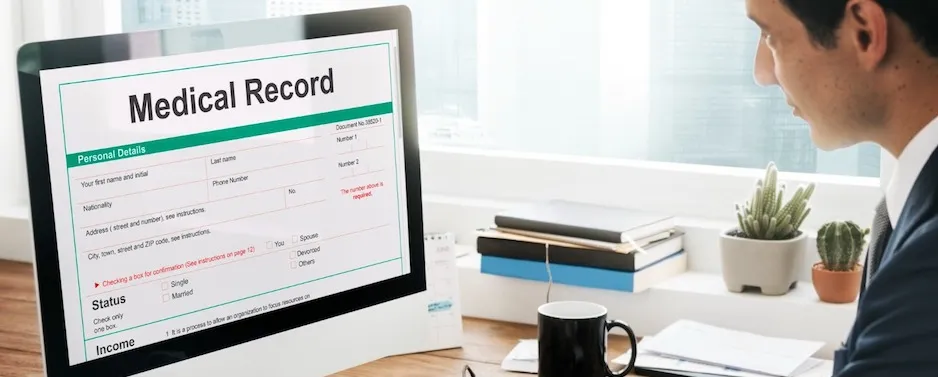
Medical records access is the process of obtaining, reviewing, and, where permitted, managing the personal health information maintained by a healthcare provider, hospital, clinic, or health system. These records can contain important details about a person’s healthcare history, including diagnoses, laboratory and test results, medications, treatment plans, clinical notes, imaging reports, procedures, and other information related to medical care.
Having access to this information can help patients better understand their medical history, prepare for appointments, communicate more effectively with healthcare professionals, and provide relevant information when receiving care from a new provider or specialist.
What Is Medical Records Access?
Medical records access refers to your ability to obtain and review information held in your healthcare records. These records document important details about your care, including appointments, diagnoses, medications, laboratory results, imaging reports, procedures, and communications related to your treatment.
Having access to this information can make it easier to understand your health history and participate more actively in healthcare decisions. It can also be useful when changing doctors, seeking a second opinion, preparing for an appointment, or providing accurate information to a new healthcare provider.
The exact process for accessing records varies by country, healthcare provider, and applicable privacy laws. Some organizations provide immediate access through a secure online portal, while others require patients to submit a written or electronic request.
What Information Can You Usually Access?
The contents of a medical record depend on the healthcare organization and the type of care you have received. Common information ma
y include:
- Personal and contact information
- Appointment and treatment history
- Diagnoses and clinical assessments
- Medication lists and prescriptions
- Laboratory and blood test results
- Imaging reports, such as X-rays, CT scans, or MRI reports
- Procedure and surgery records
- Vaccination records
- Hospital discharge information
- Specialist reports
- Treatment plans
- Relevant clinical notes
- Referrals and consultation records
- Certain billing or insurance-related information
Not every document is necessarily stored in the same system. For example, imaging files may be maintained separately from the written radiology report, while records from different healthcare providers may not automatically appear in one portal.
How to Request Your Medical Records
If the information you need is not available through an online portal, you can generally contact the healthcare provider or medical records department directly.
A typical request may require you to provide:
- Your identifying information — This helps the organization locate the correct record.
- The records you want — Be specific about the dates, treatments, tests, or departments involved.
- The preferred format — You may be able to request electronic or paper copies.
- Delivery details — Records may be provided through a secure portal, electronic system, mail, or another approved method.
- Authorization or identification — Healthcare organizations may need to verify your identity before releasing confidential information.
Being specific can make the process more efficient. Instead of requesting “everything,” you might specify that you need laboratory results from a particular period, records from a particular hospital visit, or imaging reports from a certain year.
The rules governing access, fees, processing times, and permitted restrictions depend on the jurisdiction and the healthcare provider.
Accessing Records Through a Patient Portal
Many healthcare organizations now provide digital access through secure patient portals. If your provider offers this service, you may be able to view some of your records without submitting a separate request.
Depending on the system, a portal may allow you to:
- View test results
- Review medications
- Check upcoming and previous appointments
- Read selected clinical notes
- Download documents
- Exchange secure messages with healthcare staff
- Review referrals or care plans
Digital access can be particularly convenient because information may be available without waiting for paper copies.
However, a patient portal may not contain your complete medical history. Older records, information from another healthcare organization, or certain types of documents may need to be requested separately.
Why Reviewing Your Health Records Matters
Accessing your records is not simply about keeping copies of medical documents. Reviewing them can help you understand the information being used to support your care.
For example, you may discover that a medication list needs updating, notice that an old address or contact detail is incorrect, or find a test result that you want to discuss with your healthcare professional.
Your records can also help you communicate more effectively when seeing a new provider. Instead of trying to remember every previous diagnosis, medication, test, or procedure, you can provide relevant documentation.
This can be especially useful when:
- You are changing healthcare providers
- You are seeing a specialist
- You want a second medical opinion
- You are managing long-term treatment
- You have moved to a different healthcare system
- You need documentation for another healthcare purpose
Medical records should not replace professional medical advice. If you do not understand a result or clinical note, discussing it with an appropriate healthcare professional is usually the best approach.
What to Do If Your Records Contain an Error
Medical records can sometimes contain outdated, incomplete, or inaccurate information. If you find something that appears incorrect, do not simply ignore it.
Start by identifying the specific information you believe is wrong. Then contact the healthcare provider or records department and ask about the appropriate correction or amendment process.
For example, you might find:
- An outdated medication listed as current
- An incorrect demographic detail
- A diagnosis that appears to have been entered incorrectly
- A missing test result
- An inaccurate date
- Information belonging to a different episode of care
The procedure for correcting a record depends on the applicable law and the healthcare organization’s policies. A healthcare provider may review the information and determine whether an amendment is appropriate.
When Access to Records May Be Limited
Although patients generally have important rights concerning their health information, access is not necessarily unlimited in every situation.
Certain information may be subject to legal or privacy restrictions. Records can also involve information about other individuals, information maintained by separate organizations, or documents that are governed by specific rules.
There may also be practical limitations. A provider may not have records that were created by another organization, particularly if the systems are not connected.
If your request is denied or partially fulfilled, ask the healthcare organization to explain the reason and tell you what options are available for reviewing or challenging the decision.
How to Keep Your Medical Records Organized
Once you receive copies of your records, keeping them organized can make future healthcare interactions easier.
A simple system can include separate folders for:
| Record Type | Examples |
| Diagnoses | Diagnosis summaries and clinical assessments |
| Medications | Current and previous medication lists |
| Tests | Blood tests and laboratory reports |
| Imaging | X-ray, MRI, CT, or ultrasound reports |
| Hospital Care | Admission and discharge documents |
| Specialists | Consultation and referral reports |
| Preventive Care | Vaccination and screening records |
For digital records, use secure storage and avoid sharing sensitive medical information through unsecured channels. Keep track of which documents are recent and which are historical.
It is also helpful to maintain an up-to-date medication list and know which healthcare providers have your records.
Frequently Asked Questions
How can I access my medical records?
You can usually start by checking your healthcare provider’s patient portal. If the records you need are not available there, contact the provider or medical records department and ask about the process for requesting copies.
Can I access my medical test results?
In many healthcare systems, patients can access at least some test results through a patient portal or records request. Availability and timing depend on the healthcare provider and applicable rules.
Are medical records available online?
Many healthcare organizations provide online access to portions of a patient’s record. However, an online portal may not contain every document or record held by the provider.
Can I request records from an old healthcare provider?
Possibly. The provider or organization may still hold the records, depending on applicable retention requirements. Contact the organization directly to ask whether the records are available and how to request them.
What should I do if information in my record is incorrect?
Contact the healthcare provider or records department and identify the specific information you believe is inaccurate. Ask about their process for requesting a correction or amendment.
Can I share my medical records with another doctor?
You may be able to provide copies of your records directly or authorize one healthcare organization to share relevant information with another. The available options depend on the healthcare systems and privacy rules involved.
Why should I keep copies of my medical records?
Keeping important records can help you provide accurate health information when changing providers, seeing specialists, seeking another opinion, or reviewing your medical history.
Conclusion
Medical records access gives patients an important opportunity to review the information connected to their healthcare and keep track of their medical history. Whether records are available through a secure patient portal or require a formal request, knowing how to obtain and organize them can make healthcare communication more efficient.
If you need specific records, start with the provider or healthcare organization that created or maintains them. Request the information clearly, review it carefully, and ask the appropriate healthcare professional about anything you do not understand.
Learn More About: Medical Clinics
