
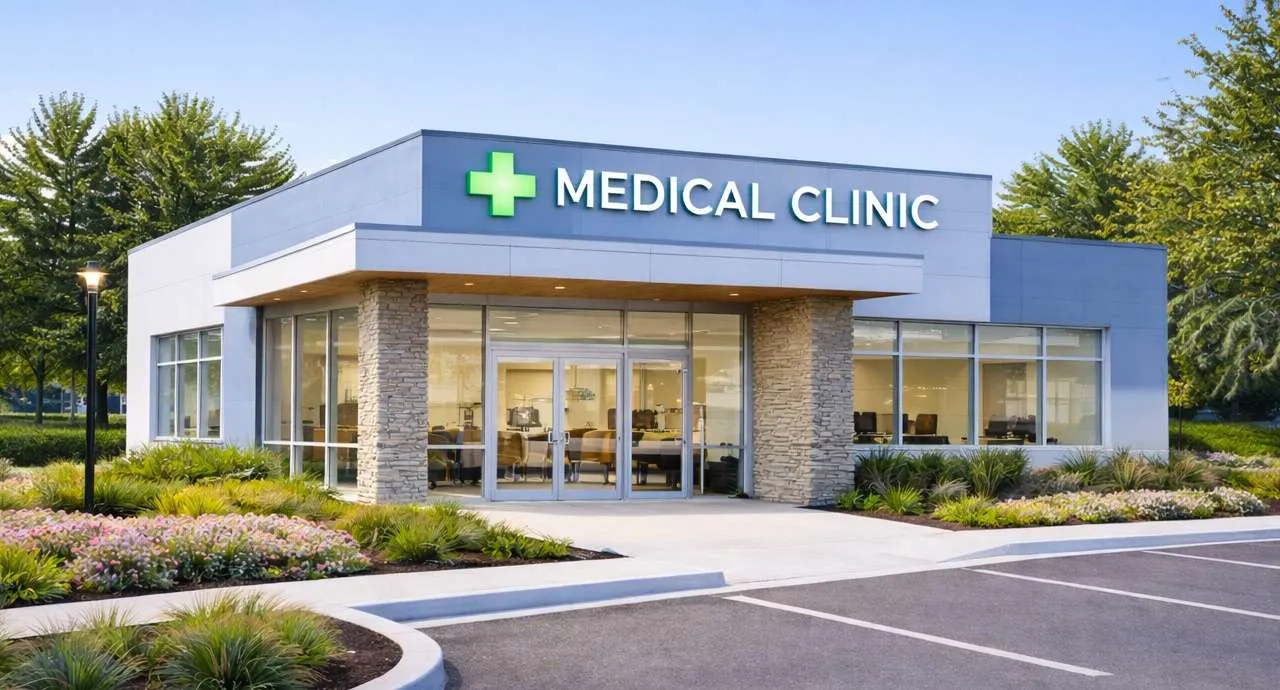
Medical clinics play an important role in helping people access healthcare close to where they live and work. Unlike hospitals, which commonly provide inpatient and complex emergency care, many clinics focus on outpatient services such as consultations, preventive care, diagnosis, treatment, and ongoing health management.
A clinic may be a small general practice with one or more healthcare professionals, a large multispecialty facility, or a specialized centre focused on a particular area of medicine. The services available vary by location, healthcare system, and type of clinic.
Understanding the different types of medical clinics can make it easier to choose appropriate care for routine health needs, ongoing conditions, or specialist concerns.
What Are Medical Clinics?
Medical clinics are healthcare facilities that provide medical services primarily on an outpatient basis. Patients generally visit for an appointment, consultation, examination, treatment, testing, or follow-up and return home afterward.
Primary care is often the first point of contact with the healthcare system. The World Health Organization describes primary care as community-based, first-contact care that can address many health needs, including prevention, treatment, chronic disease management, rehabilitation, and coordination with other services.
Depending on the facility, a medical clinic may employ:
- General practitioners or family physicians
- Specialist doctors
- Nurses and nurse practitioners
- Physician assistants or other qualified healthcare professionals
- Laboratory and diagnostic staff
- Administrative and support teams
The exact services and professional roles differ between countries and individual clinics.
What Services Do Medical Clinics Provide?
The services offered by medical clinics depend on their size, specialty, equipment, and healthcare model.
Common services include:
1. Routine Medical Checkups
Routine appointments allow healthcare professionals to review a person’s general health, identify potential concerns, and provide appropriate preventive services.
Preventive visits may include health assessments, recommended screening tests, vaccinations, and health education.
2. Diagnosis and Treatment
Clinics can evaluate symptoms and common health problems. Depending on the situation, a healthcare professional may perform an examination, order diagnostic tests, recommend treatment, or refer the patient elsewhere.
3. Chronic Disease Management
Many clinics provide ongoing care for people living with long-term conditions. This can include regular monitoring, medication management, lifestyle guidance, and coordination with specialists when needed.
4. Preventive Healthcare
Prevention is an important part of primary care. Depending on age, medical history, and individual risk factors, preventive services can include:
- Vaccinations
- Health screenings
- Blood pressure checks
- Health counseling
- Routine examinations
- Risk assessment
The CDC notes that preventive care can help people stay healthy and identify some health problems earlier.
5. Specialist Consultations
Some clinics focus on a particular medical specialty, such as dermatology, cardiology, ophthalmology, pediatrics, gynecology, or orthopedics.
Specialist clinics may assess specific conditions and provide treatment or coordinate additional care.
Types of Medical Clinics
Not every clinic provides the same type of healthcare. Some of the most common categories include:
| Type of Clinic | Common Focus |
|---|---|
| Primary care clinic | General health and ongoing care |
| Family medicine clinic | Healthcare for individuals and families |
| Pediatric clinic | Medical care for children |
| Women’s health clinic | Reproductive and women’s health |
| Dermatology clinic | Skin, hair, and nail conditions |
| Dental clinic | Oral and dental health |
| Walk-in clinic | Convenient care for certain non-emergency needs |
| Specialist clinic | Diagnosis and treatment within a medical specialty |
| Multispecialty clinic | Several medical specialties in one facility |
| Community health clinic | Healthcare services for local communities |
WHO materials identify settings such as community health centres, polyclinics, walk-in clinics, family planning centres, mobile clinics, and general-practitioner offices among primary-care settings.
Primary Care Clinics
Primary care clinics generally provide broad healthcare rather than focusing on one disease or body system.
They can help with preventive care, common illnesses, long-term conditions, and coordination with other healthcare services.
WHO identifies five important functions of primary care: accessibility as a first contact, continuity, coordination, comprehensiveness, and person-centeredness.
Specialized Medical Clinics
Specialized clinics concentrate on specific medical needs. For example, a cardiology clinic may evaluate cardiovascular concerns, while an eye clinic focuses on vision and eye health.
A primary care professional may refer a patient to a specialist when a condition requires more specialized assessment or treatment.
Medical Clinics vs. Hospitals
Medical clinics and hospitals both provide healthcare, but their roles can differ.
| Medical Clinics | Hospitals |
|---|---|
| Mainly outpatient care | Outpatient and inpatient care |
| Often used for routine appointments | Often handle complex or serious conditions |
| Preventive care and routine treatment | Advanced treatment and hospital-based care |
| Chronic disease follow-up | Surgery and inpatient treatment |
| Specialist consultations may be available | Multiple specialized departments |
| Patients usually return home after treatment | Patients may need to stay overnight |
The distinction is not absolute. Some clinics can provide advanced outpatient procedures, while hospitals also operate outpatient departments. Healthcare systems vary considerably between countries.
Benefits of Using a Medical Clinic
Medical clinics can provide several practical advantages when their services match a patient’s needs.
Convenient Access to Healthcare
Community-based clinics can make healthcare more accessible by bringing services closer to where people live.
Continuity of Care
Seeing the same clinic or healthcare team over time can help professionals understand a patient’s medical history and ongoing needs.
Preventive Health Support
Regular healthcare visits can provide opportunities for recommended screenings, vaccinations, health counseling, and early identification of certain problems.
Coordination With Other Providers
Primary care can also help coordinate healthcare when patients need diagnostic services, specialist consultations, or other levels of treatment. WHO identifies coordination as one of the core functions of primary care.
Support for Long-Term Health
Medical clinics can provide ongoing monitoring and treatment for chronic conditions rather than limiting care to occasional visits.
How to Choose the Right Medical Clinic
The right clinic depends on your healthcare needs, location, availability, and the services offered.
Before booking an appointment, consider:
- Type of care: Does the clinic provide the service you need?
- Healthcare professionals: Are appropriately qualified professionals available?
- Location: Is the clinic reasonably accessible?
- Appointments: Does its scheduling system suit you?
- Costs: Understand consultation fees, insurance coverage, and additional charges where applicable.
- Diagnostic services: If testing is needed, ask whether it is available onsite or through a partner facility.
- Referral process: Find out how the clinic handles specialist or hospital referrals.
- Communication: Choose a facility where you can comfortably discuss your concerns and understand the information provided.
- Accessibility: Consider physical accessibility, language support, and appointment options.
- Emergency arrangements: Know whether the clinic handles urgent cases or directs patients to emergency services.
Healthcare terminology, clinic structures, and available services can vary between countries, so local healthcare regulations and professional standards should also be considered.
What to Expect During a Clinic Visit
A typical medical clinic appointment may include several steps:
Before the Appointment
You may be asked for personal details, medical history, current medications, allergies, previous diagnoses, and the reason for your visit.
During the Consultation
The healthcare professional may:
- Ask about your symptoms or health concerns
- Review your medical history
- Perform a physical examination when appropriate
- Discuss possible causes
- Recommend tests or screening
- Explain treatment options
- Provide follow-up instructions
After the Visit
Depending on your situation, you may receive a prescription, test order, referral, follow-up appointment, or self-care instructions.
For ongoing healthcare, keeping records of medications, test results, allergies, and previous diagnoses can help support communication between healthcare professionals.
When Should You Visit a Medical Clinic?
Medical clinics may be appropriate for many non-emergency healthcare needs, including:
- Routine health appointments
- Preventive care
- Vaccinations
- Common illnesses
- Follow-up appointments
- Chronic condition monitoring
- Certain minor injuries
- Specialist consultations
- Health screenings
However, clinics are not a substitute for emergency services when a person has a potentially life-threatening condition. In an emergency, seek the appropriate emergency medical service in your location.
FAQs
1. What is a medical clinic?
A medical clinic is an outpatient healthcare facility where patients can receive services such as consultations, examinations, preventive care, diagnosis, treatment, follow-up care, and specialist services.
2. What is the difference between a medical clinic and a hospital?
Medical clinics generally focus on outpatient care, while hospitals provide a broader range of services that can include emergency care, surgery, advanced diagnostics, and inpatient treatment. Some hospitals also operate outpatient clinics.
3. What services are commonly available at medical clinics?
Common services include routine checkups, preventive care, vaccinations, diagnosis and treatment of certain illnesses, chronic disease management, health counseling, and specialist consultations.
4. Can medical clinics provide specialist care?
Yes. Some clinics are specifically designed around specialties such as dermatology, cardiology, pediatrics, gynecology, or ophthalmology. Other primary care clinics may refer patients to specialists when necessary.
5. Are medical clinics suitable for routine checkups?
Yes. Routine checkups are one of the common reasons people use outpatient medical services. Preventive visits can include examinations, screening, vaccinations, and health education depending on individual needs.
6. Can a medical clinic manage chronic conditions?
Many primary care and specialist clinics provide ongoing care for chronic conditions. The specific services depend on the condition and the clinic’s healthcare professionals and resources.
7. How can I choose a good medical clinic?
Consider whether the clinic offers the care you need, whether appropriately qualified professionals are available, its location and appointment options, costs, accessibility, and how it handles referrals and follow-up care.
Conclusion
Medical clinics are an important part of modern healthcare, providing accessible outpatient services for prevention, diagnosis, treatment, and ongoing health management. Primary care clinics can serve as a first point of contact and help coordinate care when patients need additional services or specialist attention.
Because clinics differ in their services and professional expertise, patients should consider their specific healthcare needs before choosing a facility. Understanding what different medical clinics provide can make it easier to find appropriate care and maintain regular contact with healthcare professionals.
Learn About: Measles Basics
