
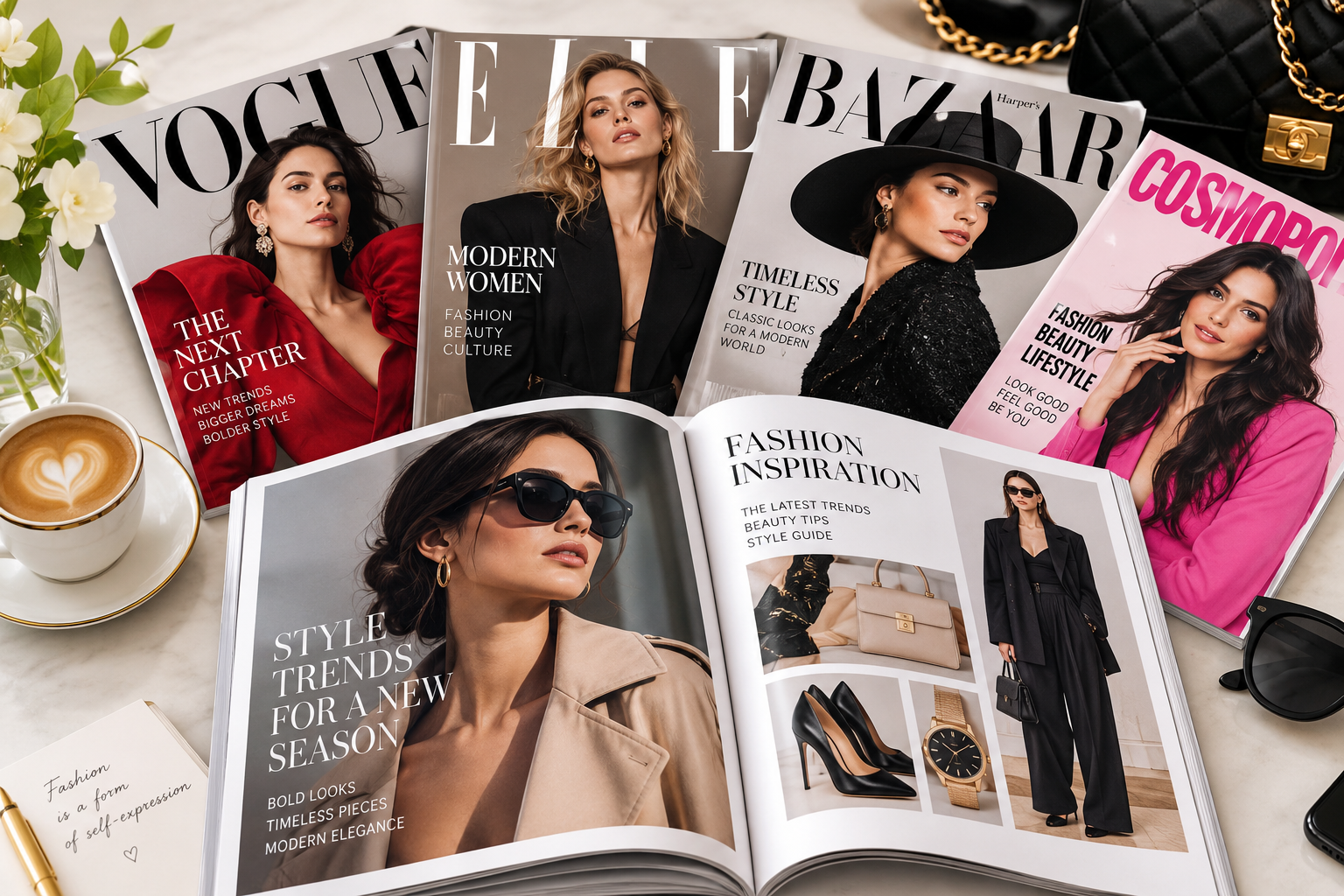
Fashion has always been more than clothing. It reflects culture, creativity, personal identity, and the way people see the world. For decades, magazines de mode have played an important role in shaping these conversations. From glossy print publications to modern digital platforms, fashion magazines continue to introduce readers to new designers, emerging trends, influential personalities, beauty ideas, and changing concepts of style.
Today, fashion enthusiasts have more choices than ever. Some prefer traditional magazines, while others follow digital editions, online fashion publications, and social media channels. Understanding what makes these publications valuable can help readers choose the right sources for inspiration and stay connected with the constantly evolving fashion industry.
What Are Magazines de Mode?
“Magazines de mode” is a French expression that translates to fashion magazines in English. These publications focus primarily on clothing, accessories, beauty, lifestyle, designers, models, photography, and fashion culture.
A fashion magazine can serve several purposes. It may report on seasonal trends, showcase designer collections, interview creative professionals, provide styling advice, or explore the cultural meaning behind particular styles.
Some publications concentrate on high fashion and luxury, while others focus on streetwear, affordable clothing, sustainable fashion, beauty, or specific audiences.
Why Fashion Magazines Still Matter
The fashion industry moves quickly, with new collections, designers, collaborations, and trends appearing throughout the year. Fashion magazines help organize this constantly changing information into stories and visual experiences that readers can explore.
One of their biggest strengths is curation. Instead of seeing thousands of individual fashion posts online, readers can discover carefully selected trends, photographs, interviews, and editorial features in one publication.
Fashion magazines also provide a historical record of changing styles. Looking through older issues can reveal how clothing, photography, beauty standards, typography, and cultural attitudes have evolved over time.
A Source of Style Inspiration
Many readers use fashion publications to develop their own personal style. Editorial photography can provide ideas for combining colors, choosing accessories, layering clothing, or adapting runway trends to everyday outfits.
The goal is not necessarily to copy a complete look. Instead, readers can take individual ideas and adapt them to their own preferences, lifestyle, and budget.
A Window Into the Fashion Industry
Fashion magazines also introduce readers to the people working behind the scenes. Designers, photographers, stylists, makeup artists, models, editors, and creative directors can all become part of the story.
This makes fashion publications useful not only for consumers but also for students and people interested in careers within the fashion industry.
Different Types of Fashion Magazines
Not every fashion publication has the same editorial approach. Choosing one depends largely on what a reader wants to discover.
| Type | Main Focus |
|---|---|
| Luxury fashion | Designer collections, couture, luxury brands |
| Trend-focused | Seasonal styles and emerging fashion trends |
| Streetwear | Urban fashion, youth culture, sneakers, contemporary brands |
| Beauty and fashion | Clothing, makeup, skincare, and beauty trends |
| Lifestyle fashion | Style combined with travel, culture, food, and entertainment |
| Sustainable fashion | Ethical production, responsible materials, and conscious consumption |
| Celebrity fashion | Red-carpet looks, celebrity style, and interviews |
| Independent fashion | Emerging designers, experimental photography, and alternative aesthetics |
This variety means readers can find publications that match their interests rather than relying on a single definition of fashion.
The Role of Fashion Magazines in Setting Trends
Fashion magazines have historically influenced which styles receive attention. Editorial teams select collections, designers, colors, silhouettes, accessories, and styling concepts that they believe are interesting or culturally relevant.
However, the modern fashion landscape is more decentralized than it once was. Social media creators, independent designers, celebrities, online communities, and street-style photographers can all influence trends.
As a result, today’s fashion publications often respond to trends as much as they help create them.
Print vs. Digital Fashion Publications
The rise of digital media has changed how people consume fashion content. Traditional print magazines remain attractive because of their photography, paper quality, design, and collectible nature. A physical issue can feel like a carefully designed piece of visual culture.
Digital publications offer different advantages. They can publish content quickly, update stories more easily, include video and interactive elements, and reach international audiences without requiring a physical copy.
Neither format completely replaces the other. Print offers a tactile editorial experience, while digital media provides convenience and speed.
How to Choose the Right Fashion Magazine
With so many publications available, it can be difficult to decide where to begin. A few simple considerations can make the choice easier.
Consider Your Fashion Interests
First, think about what you actually enjoy. If you are interested in designer collections, a luxury-focused publication may be more suitable. Someone interested in everyday outfits might prefer a trend or lifestyle publication.
Look at the Editorial Style
Photography and writing styles can vary considerably. Some magazines use dramatic editorial photography, while others favor minimal layouts and practical fashion advice.
Browsing several issues or online articles can help you identify a publication whose visual and editorial approach you enjoy.
Check Whether It Matches Your Values
Fashion increasingly involves conversations about sustainability, representation, craftsmanship, and responsible consumption. Readers who care about these subjects may want publications that regularly explore them.
Fashion Magazines and Social Media
Social media has changed the relationship between fashion publications and their audiences. Instead of waiting for a monthly issue, readers can now discover fashion stories throughout the day.
Instagram, TikTok, Pinterest, and other platforms allow fashion images and ideas to circulate rapidly. A single runway look can reach millions of people shortly after appearing at a fashion event.
Fashion magazines have adapted by developing strong digital identities. Many now publish short-form content, behind-the-scenes photography, interviews, videos, and interactive stories alongside their traditional editorial work.
Still, magazines offer something that fast-moving social media content can sometimes lack: context. A well-developed editorial feature can explain why a trend matters, where it came from, and how it connects to broader cultural changes.
The Importance of Fashion Photography
Photography is one of the defining features of fashion publishing. A strong fashion photograph does more than show clothing. Lighting, composition, location, styling, pose, and creative direction can transform an outfit into a visual story.
Fashion photography has also influenced advertising, popular culture, and contemporary art. Many photographers have developed recognizable styles through their work with fashion publications.
For readers, photography can make fashion concepts easier to understand because clothing is presented within a complete visual setting rather than as an isolated product.
Sustainability Is Changing Fashion Publishing
Sustainability has become an increasingly important subject within fashion. Questions about materials, production, waste, labor practices, and consumption are influencing conversations across the industry.
Fashion publications can help readers understand these issues by covering sustainable designers, alternative materials, responsible production methods, and changing consumer habits.
At the same time, readers should distinguish between meaningful sustainability practices and simple marketing claims. Thoughtful fashion journalism can provide context rather than treating every environmentally focused claim as automatically credible.
How to Use Fashion Magazines for Personal Style
You do not need an expensive wardrobe to benefit from fashion publications. In fact, magazines can be useful precisely because they provide ideas that can be adapted.
Try creating a small collection of looks that appeal to you. Pay attention to recurring elements such as:
- Colors you naturally prefer
- Clothing silhouettes you find appealing
- Favorite accessories
- Ways outfits are layered
- Different approaches to casual and formal dressing
- Hairstyles and beauty details
- Textures and patterns
Over time, these observations can help you understand your own style more clearly.
Frequently Asked Questions
What does “magazines de mode” mean?
“Magazines de mode” is French for fashion magazines. The phrase refers to publications covering fashion, clothing, designers, beauty, styling, photography, and related cultural topics.
Are fashion magazines still popular?
Yes. Fashion content has expanded across print, websites, apps, newsletters, and social media. While the way people consume fashion information has changed, fashion publications remain an important part of the industry.
What can I learn from a fashion magazine?
You can discover fashion trends, styling ideas, designers, photography, beauty concepts, industry news, and cultural discussions surrounding clothing and personal style.
Are digital fashion magazines better than print magazines?
It depends on personal preference. Digital publications are convenient and easy to access, while print magazines offer a physical reading experience and often place greater emphasis on photography, paper, and editorial design.
How often do fashion trends change?
Fashion trends can change quickly, particularly with the influence of social media. However, many styles return over time, and long-term fashion movements can remain relevant for years.
Can fashion magazines help me develop my own style?
Absolutely. They can provide visual references and ideas for colors, silhouettes, accessories, and outfit combinations. The most useful approach is to adapt inspiration to your own personality and everyday needs.
Why is fashion photography important?
Fashion photography communicates more than the clothing itself. It combines styling, lighting, composition, and creative direction to create a visual story and establish a particular mood.
Conclusion
Magazines de mode remain an important part of fashion culture because they bring together trends, photography, design, journalism, and creative ideas. Although digital platforms have transformed how fashion content reaches audiences, the central purpose remains similar: helping people discover new ideas and understand the world of style.
Whether you enjoy luxury fashion, streetwear, sustainable clothing, beauty, or everyday styling, there is a fashion publication suited to your interests. The best way to use these magazines is not simply to follow every trend, but to explore different perspectives and turn the inspiration you find into a style that feels genuinely your own
Learn More About: New York Fashion Week
