
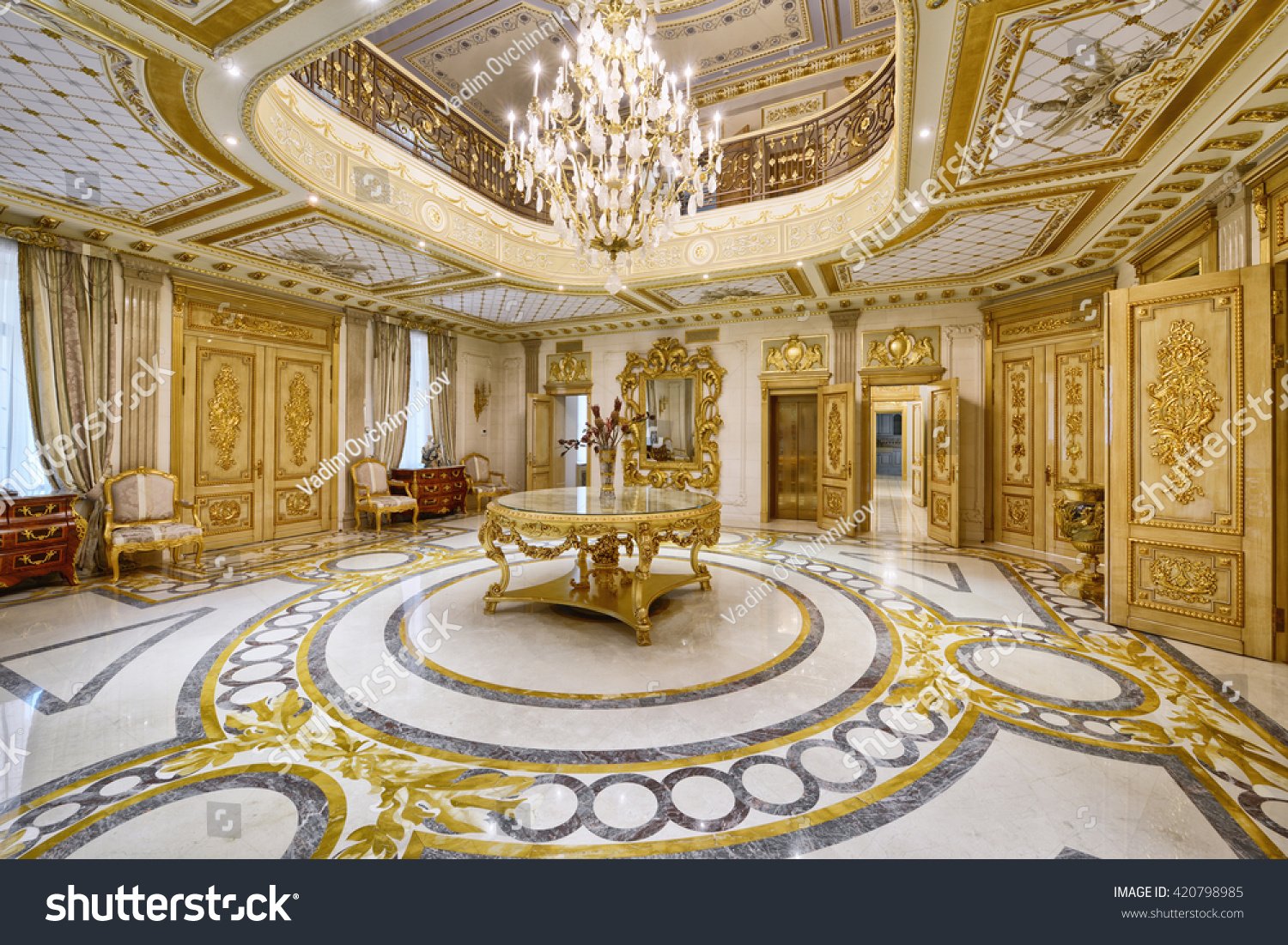
The word luxurious often brings to mind elegant hotels, beautifully designed homes, premium cars, fine dining, designer fashion, and unforgettable travel experiences. But luxury means different things to different people. For some, it means a private suite with exceptional service. For others, it may mean a peaceful home, high-quality materials, or having more time and comfort in everyday life.
Today, the idea of luxury has also changed. A high price alone does not necessarily make something luxurious. People increasingly look for quality, authenticity, craftsmanship, personalization, convenience, and memorable experiences.
This guide explains what luxurious really means, where the term is commonly used, what makes something feel luxurious, and how modern luxury differs from simply being expensive.
What Does Luxurious Mean?
Luxurious is an adjective used to describe something that provides exceptional comfort, elegance, quality, or pleasure.
The word can describe both physical things and experiences. For example, a beautifully furnished bedroom can be described as luxurious, while a private resort stay can offer a luxurious experience.
Common examples include:
- A luxurious hotel suite
- A luxurious home
- A luxurious car
- Luxurious furniture
- Luxurious clothing
- A luxurious vacation
- A luxurious spa experience
- Luxurious dining
The meaning depends heavily on context. A luxurious product usually emphasizes materials and craftsmanship, while a luxurious experience may focus more on service, privacy, convenience, and personalization.
What Makes Something Luxurious?
Several characteristics can contribute to a luxurious experience or product.
1. Exceptional Quality
Quality is one of the strongest foundations of luxury. Premium materials, careful construction, durability, and attention to detail can make an item feel significantly more refined.
For example, handmade furniture using carefully selected wood may feel more luxurious than mass-produced furniture, even when both serve the same practical purpose.
2. Comfort
Luxury often involves removing unnecessary discomfort and making an experience easier.
A luxurious hotel might provide:
- High-quality bedding
- Quiet rooms
- Comfortable furniture
- Personalized room service
- Premium bathroom amenities
- Convenient technology
The objective is not simply to look impressive. It is to make the person feel comfortable and cared for.
3. Craftsmanship
Handcrafted details can add a strong sense of exclusivity. Skilled artisans may spend considerable time producing furniture, watches, clothing, jewelry, or other premium goods.
Craftsmanship gives consumers something beyond basic functionality: a product with character, precision, and attention to detail.
4. Exclusivity
Limited availability can increase the perception of luxury. Private memberships, limited-edition products, invitation-only events, and customized services can create a sense that the experience is not available to everyone.
However, exclusivity works best when it reflects genuine value rather than artificial scarcity.
5. Personalization
Modern consumers increasingly value experiences designed around their individual preferences.
A personalized luxury experience might include a hotel remembering a guest’s preferences, a tailor creating a custom outfit, or a travel company designing an itinerary around specific interests.
Luxurious vs. Expensive: What’s the Difference?
Something can be expensive without being luxurious.
| Expensive | Luxurious |
| Primarily focuses on price | Focuses on overall experience |
| May have a high purchase cost | Usually emphasizes quality and refinement |
| Can be mass-produced | Often includes craftsmanship or exclusivity |
| Price may reflect popularity | Value may come from materials, service, or personalization |
| Not necessarily comfortable | Comfort is often an important element |
For example, a costly product made with poor materials may not feel luxurious. In contrast, a thoughtfully designed product with excellent craftsmanship can provide a premium experience even without being the most expensive option in its category.
Examples of Luxurious Experiences
Luxury can appear in many areas of everyday life.
Luxurious Hotels
A luxurious hotel typically combines elegant design with attentive service, comfortable rooms, premium amenities, and convenient facilities.
Guests may value:
- Personalized service
- Fine dining
- Spacious rooms
- Wellness facilities
- Private lounges
- Beautiful views
- High-quality bedding
- Concierge assistance
The combination of these details creates an experience rather than simply providing a place to sleep.
Luxurious Dining
Fine dining is another common example. A luxurious meal may involve carefully sourced ingredients, creative presentation, skilled preparation, an elegant setting, and highly attentive service.
However, luxury dining does not necessarily mean a complicated menu. Excellent ingredients, thoughtful preparation, and exceptional hospitality can be just as important.
Luxurious Vehicles
A luxurious vehicle typically combines performance, comfort, technology, design, and premium materials.
Features may include:
- High-quality leather or alternative premium upholstery
- Advanced driver-assistance technology
- Refined cabin design
- Quiet interiors
- Powerful performance
- Sophisticated entertainment systems
- Customization options
The overall driving and ownership experience matters as much as the vehicle’s price.
Luxurious Interior Design
A luxurious home does not have to look excessively decorated. Modern luxury often favors balance, quality, and thoughtful design.
Key Elements of Luxurious Interiors
Premium materials: Natural stone, quality wood, metal finishes, glass, and carefully selected fabrics can add sophistication.
Lighting: Layered lighting can make a room feel warm and elegant. Designers may combine natural light, ambient lighting, task lighting, and decorative fixtures.
Furniture: Well-designed furniture with comfortable proportions can create a more refined atmosphere.
Color palette: Neutral shades, natural tones, and carefully chosen accent colors are frequently used in sophisticated interiors.
Space: Luxury is often associated with a sense of openness. Good furniture placement and uncluttered surfaces can make a room feel more spacious.
How to Create a Luxurious Look Without Overdoing It
You do not need to fill a room with expensive decorations. Instead:
- Choose fewer, higher-quality pieces.
- Keep the space organized.
- Improve lighting.
- Use complementary textures.
- Invest in comfortable furniture.
- Add carefully selected decorative elements.
The result should feel intentional rather than excessive.
Luxurious Travel
For many travelers, luxury is increasingly about experiences rather than simply staying in an expensive hotel.
A luxurious vacation might include a private villa, personalized itinerary, premium transportation, exceptional dining, wellness treatments, or exclusive cultural experiences.
What Travelers Often Look For
- Privacy
- Personalized service
- Comfortable accommodation
- Unique destinations
- Flexible schedules
- Premium transportation
- High-quality food
- Wellness experiences
- Local cultural experiences
Modern luxury travel also places greater emphasis on authenticity. Travelers may prefer a private experience with genuine local character instead of something that simply looks expensive.
Luxurious Fashion and Accessories
In fashion, luxury is often associated with craftsmanship, design, heritage, materials, and brand reputation.
A luxurious garment may use high-quality fabric and careful construction. Accessories such as watches, handbags, shoes, and jewelry can similarly emphasize precision and craftsmanship.
Still, luxury fashion is not only about recognizable logos. Construction, longevity, design, and material quality can be more meaningful indicators of value.
Luxurious Lifestyle
A luxurious lifestyle is sometimes portrayed as endless spending, but that is only one interpretation.
For many people, luxury can mean having access to things that improve quality of life, such as:
- More personal time
- Comfortable surroundings
- Convenient services
- Meaningful travel
- High-quality food
- Wellness activities
- Beautiful living spaces
- Personalized experiences
This broader definition makes luxury more subjective.
One person may consider a private beach vacation luxurious. Another may consider a quiet weekend at home, excellent food, and uninterrupted personal time the ultimate luxury.
How Brands Create a Luxurious Experience
Luxury brands usually focus on the complete customer journey rather than a single product feature.
This can include:
- Presentation: Packaging, website design, stores, and visual identity establish expectations.
- Product quality: Materials and construction must support the premium positioning.
- Customer service: Helpful, knowledgeable service reinforces trust.
- Personalization: Tailored experiences make customers feel valued.
- Consistency: Every interaction should meet the same high standard.
- Storytelling: Brand heritage, craftsmanship, and creative vision can give products greater emotional value.
A genuinely luxurious brand therefore sells more than an object. It creates a carefully designed experience around that object.
Why Luxury Is Becoming More Personal
Luxury is increasingly moving away from a one-size-fits-all definition.
Consumers may prioritize different things depending on their lifestyle and values. Some want cutting-edge technology, while others prefer traditional craftsmanship. Some value privacy, while others want unique experiences.
This means the modern concept of luxury is becoming more personal, experiential, and quality-focused.
Key Takeaways
- Luxurious generally means exceptionally comfortable, elegant, refined, or high-quality.
- Luxury is not necessarily the same as being expensive.
- Quality, craftsmanship, comfort, exclusivity, and personalization are important elements of luxury.
- Luxury can apply to homes, hotels, travel, fashion, vehicles, dining, and everyday experiences.
- Modern luxury increasingly focuses on experiences and personal preferences.
- A luxurious environment does not need to be excessive; thoughtful design and attention to detail can have a greater impact.
FAQs
1. What is the simple meaning of luxurious?
Luxurious means exceptionally comfortable, elegant, high-quality, or enjoyable. It describes something that provides a more refined experience than ordinary alternatives.
2. Is luxurious the same as expensive?
No. Something can be expensive without being luxurious. Luxury generally involves quality, comfort, craftsmanship, exclusivity, service, or an exceptional overall experience.
3. What are examples of luxurious things?
Examples include premium hotels, high-end vehicles, designer clothing, fine dining, elegant homes, private travel experiences, handcrafted furniture, and premium wellness services.
4. What makes a home look luxurious?
Quality materials, comfortable furniture, thoughtful lighting, coordinated colors, attractive textures, uncluttered spaces, and carefully selected decorative pieces can make a home feel luxurious.
5. What makes a hotel luxurious?
A luxurious hotel usually combines comfortable accommodation, high-quality amenities, attentive service, elegant design, excellent dining, privacy, and personalized guest experiences.
6. Can something affordable be luxurious?
Yes. Luxury is not determined entirely by price. An affordable experience can feel luxurious when it offers exceptional comfort, thoughtful details, quality, personalization, or convenience.
7. Why is personalization important in luxury?
Personalization makes an experience feel unique and relevant to the individual. Remembering preferences, offering customization, and providing tailored services can significantly increase the perception of luxury.
Conclusion
The meaning of luxurious goes far beyond expensive products and extravagant surroundings. True luxury is often created through quality, comfort, craftsmanship, thoughtful design, personalization, and memorable experiences.
Whether it is a beautifully designed home, a carefully prepared meal, a premium vehicle, an elegant hotel, or a peaceful vacation, the strongest examples of luxury pay attention to details that make people feel comfortable and valued.
As consumer expectations continue to change, modern luxury is becoming increasingly personal. For many people, the ultimate luxury is not simply owning more—it is enjoying better quality, greater comfort, meaningful experiences, and the freedom to choose what genuinely adds value to life.
Learn About: Lifestyles at Pellicano
