
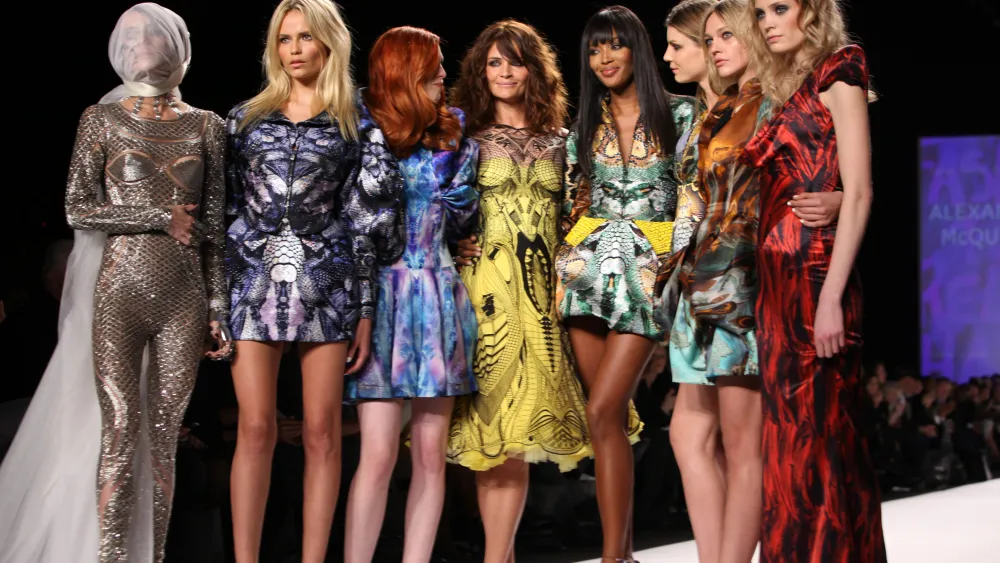
Few fashion events capture the creative energy of Britain quite like London Fashion Week. Twice a year, designers, models, buyers, journalists, photographers, celebrities, stylists, and fashion enthusiasts come together to see what is next in the industry.
Unlike fashion events that focus mainly on traditional luxury, London has built a reputation for experimentation. Designers often use the city’s creative culture as inspiration, mixing classic British tailoring with modern silhouettes, bold concepts, streetwear, sustainable ideas, and unexpected materials.
Whether you follow fashion closely or simply enjoy discovering new clothing trends, London Fashion Week offers a fascinating look at where the industry is heading.
What Is London Fashion Week?
London Fashion Week is a major fashion industry event that presents new collections from British and international designers. It is traditionally held twice each year, with editions focused on autumn/winter and spring/summer collections.
The event is closely associated with the British Fashion Council, which supports British fashion and helps promote designers and creative businesses.
London Fashion Week is more than a series of runway shows. It can include presentations, installations, designer appointments, industry events, digital content, and other experiences that allow fashion professionals to discover upcoming collections.
Its international reputation comes partly from London’s willingness to encourage creative freedom. New designers can experiment with shapes, fabrics, styling, and presentation in ways that make the city stand out on the global fashion calendar.
History of London Fashion Week
London has been an important fashion centre for decades, but the modern London Fashion Week developed as a way to bring greater international attention to British designers.
The event became an important platform for designers who wanted to challenge conventional ideas about fashion. Over time, London developed a distinctive identity based on creativity, youth culture, tailoring, music, art, and experimentation.
British fashion has produced many influential designers, and London has frequently provided them with an environment where unusual ideas can gain attention.
The city’s fashion history also reflects its diverse population. Different cultures and subcultures have influenced everything from street style to luxury collections.
This combination of tradition and experimentation remains one of London’s biggest strengths.
When Does London Fashion Week Take Place?
London Fashion Week generally takes place twice a year, following the international fashion calendar.
| Fashion Week Edition | Main Focus |
| February | Autumn/Winter collections |
| September | Spring/Summer collections |
Exact dates can change from year to year, so anyone planning to attend should check the official event schedule before making travel arrangements.
The September edition is particularly important because it forms part of the major fashion calendar that also includes fashion weeks in New York, Milan, and Paris.
What Happens During London Fashion Week?
A typical edition can involve much more than watching models walk down a runway.
Runway Shows
Runway shows are among the most recognizable parts of fashion week. Designers present carefully styled collections that communicate the creative direction of the season.
Everything matters, from clothing and accessories to music, lighting, makeup, hair, and the venue.
Designer Presentations
Some designers choose presentations instead of traditional runway shows. This format can give guests more time to examine individual looks and understand the details of a collection.
Street Style
Street style has become an important part of fashion week culture. Photographers often capture editors, influencers, buyers, models, and fashion enthusiasts outside venues.
These outfits can sometimes become trends themselves.
Industry Meetings
Fashion week also provides an important business environment. Buyers, retailers, stylists, journalists, and designers use the event to build relationships and discuss upcoming collections.
Designers and Emerging Talent
One of the most exciting aspects of London Fashion Week is its ability to introduce new creative voices.
Established designers attract international attention, but emerging designers are equally important. London has a long tradition of supporting young talent and encouraging designers to develop their own visual identity.
A new designer might gain attention through:
- An innovative collection
- A memorable runway presentation
- Sustainable production methods
- Distinctive tailoring
- Experimental textiles
- Strong cultural influences
- Creative digital campaigns
This makes fashion week useful for people who want to discover trends before they become mainstream.
British Fashion and Modern Style
British fashion has several recognizable traditions, including tailoring, structured outerwear, classic knitwear, and heritage fabrics.
Modern designers frequently reinterpret these ideas rather than simply copying them.
For example, traditional tailoring might appear alongside oversized proportions, unconventional layering, athletic influences, or contemporary accessories.
This balance between heritage and innovation is a major part of London’s fashion identity.
London Fashion Week Trends
Every season brings different ideas, but certain themes repeatedly appear in conversations surrounding London fashion.
1. Experimental Silhouettes
Designers often play with proportions, creating oversized jackets, dramatic skirts, sculptural garments, or unexpected shapes.
2. Modern British Tailoring
Tailoring remains important, but contemporary designers continue to make it more relaxed, gender-fluid, casual, or architectural.
3. Streetwear Influence
London’s strong music and youth-culture scenes have helped streetwear become an important source of inspiration.
4. Sustainability
Environmental responsibility has become an increasingly important topic across fashion. Designers and brands are exploring recycled materials, responsible sourcing, longer-lasting garments, and alternative production methods.
5. Statement Accessories
Shoes, bags, jewellery, eyewear, and other accessories can dramatically change the appearance of an outfit. During fashion week, accessories often receive as much attention as the clothing itself.
For readers interested in contemporary European fashion, style inspiration can also be found through collections such as a curated fashion blazer style guide, particularly when exploring how tailored pieces can be incorporated into everyday outfits.
Why London Fashion Week Matters
London Fashion Week has an influence that reaches far beyond the people sitting inside runway venues.
The collections shown during fashion week can influence:
- High-street clothing
- Luxury fashion
- Retail buying decisions
- Magazine editorials
- Social media trends
- Celebrity styling
- Seasonal colour palettes
- Streetwear
- Fashion photography
For businesses, the event can also create valuable opportunities for networking and brand exposure.
For consumers, fashion week provides an early look at ideas that may eventually appear in shops and everyday wardrobes.
London as a Fashion Capital
London’s position as a fashion capital comes from more than major fashion events.
The city has universities, design schools, independent boutiques, luxury retailers, creative agencies, photographers, stylists, musicians, artists, and fashion businesses. Together, these communities create an environment where fashion can evolve quickly.
London also has a strong culture of personal style. People often combine vintage pieces, designer clothing, affordable fashion, sportswear, and traditional British garments.
That mix helps explain why London street style receives attention from fashion audiences around the world.
How to Follow London Fashion Week
You don’t necessarily need an invitation to enjoy the event.
Here are several practical ways to keep up with it:
- Follow official announcements for dates, schedules, and participating designers.
- Watch designer content online when shows or presentations are streamed or published digitally.
- Follow fashion publications for collection reviews and trend reports.
- Explore street-style photography to see how attendees interpret current trends.
- Follow individual designers to learn more about their collections and creative processes.
- Visit London fashion exhibitions and retail spaces when available.
If you’re interested in building outfits inspired by European fashion, combining tailored pieces with contemporary accessories can create a polished look without copying a runway outfit exactly. A related fashion style resource can also provide additional inspiration when exploring fashion terminology and styling ideas.
Key Takeaways
- London Fashion Week is one of the world’s major fashion events.
- It normally takes place twice a year.
- The event showcases established designers and emerging talent.
- London is particularly known for experimentation and creative freedom.
- British tailoring, streetwear, youth culture, and sustainability often influence collections.
- Fashion week affects designers, retailers, media, celebrities, and everyday fashion trends.
- You can follow many fashion week developments through official announcements and digital content without attending in person.
FAQs
1. What is London Fashion Week?
London Fashion Week is a major international fashion event where designers present upcoming collections through runway shows, presentations, installations, and other industry activities.
2. How often is London Fashion Week held?
It is generally held twice a year, with major editions traditionally taking place in February and September.
3. Is London Fashion Week open to everyone?
Many industry events and runway shows are invitation-based or intended for fashion professionals. However, public-facing events, digital content, exhibitions, and other activities may be available depending on the season.
4. Who attends London Fashion Week?
Attendees can include designers, models, buyers, fashion editors, journalists, photographers, stylists, celebrities, influencers, and other industry professionals.
5. Why is London important to fashion?
London has a strong creative ecosystem that includes designers, fashion schools, retailers, artists, musicians, and independent brands. Its culture of experimentation has helped make the city an important global fashion centre.
6. What makes London Fashion Week different?
Its reputation for creativity and experimentation is a major distinguishing feature. London often combines traditional British fashion with youth culture, streetwear, art, music, and unconventional design.
7. Can I follow London Fashion Week online?
Yes. Many designers, fashion publications, and official channels share collection images, videos, interviews, schedules, and fashion week updates online.
Conclusion
London Fashion Week remains an important part of the global fashion industry because it brings together heritage, creativity, business, and new ideas. Its influence extends from designer studios and runway venues to retail stores, social media, magazines, and everyday wardrobes.
What makes London particularly interesting is its ability to balance the traditional with the unexpected. Classic British tailoring can sit alongside experimental silhouettes, streetwear, sustainable ideas, and influences from London’s diverse creative communities.
Whether you’re a fashion professional, a style enthusiast, or simply curious about upcoming trends, following London Fashion Week is a useful way to understand how fashion continues to change.
