
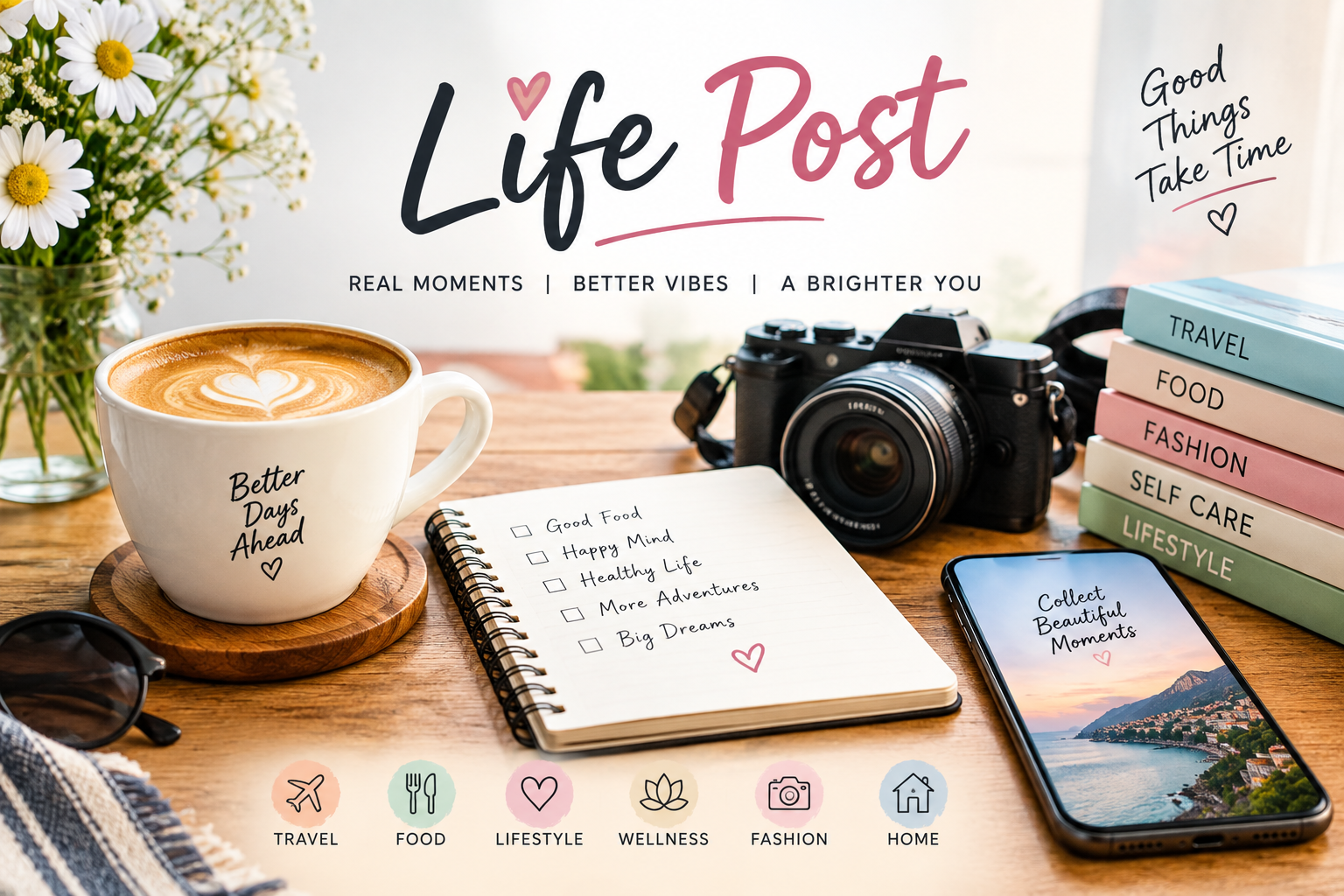
Life gives everyone different experiences, challenges, relationships, successes, and setbacks. Sometimes, people want to share those experiences through writing. This is where a life post can be useful.
A life post may be a short social media reflection, a personal blog article, a motivational message, or a detailed discussion about a particular life experience. Unlike highly technical content, it usually focuses on emotions, observations, lessons, and ideas that readers can connect with personally.
A well-written life post does more than describe an experience. It can encourage reflection, provide practical advice, or help someone feel less alone in a particular situation.
What Is a Life Post?
A life post is written content focused on life experiences, personal thoughts, lessons, emotions, challenges, or observations.
The format can vary considerably. For example, someone might write a few sentences about an important lesson they learned, while another person may publish a 1,500-word blog post about personal growth.
Common characteristics include:
- Personal experiences or observations
- Life lessons
- Personal development
- Emotional reflections
- Advice based on experience
- Thoughts about relationships or family
- Motivation and encouragement
- Experiences with success or failure
- Goals and future plans
The most effective posts usually have a clear message rather than simply presenting random thoughts.
What Topics Can a Life Post Cover?
Life is a broad subject, so there are many possible directions for this type of content.
Personal Growth
Personal growth is one of the most common subjects. A post might discuss learning from mistakes, becoming more confident, developing better habits, or handling change.
For example, a writer could explain how a difficult experience changed their approach to making decisions.
Relationships
Relationships provide many opportunities for meaningful writing. Posts can discuss friendship, family, communication, trust, boundaries, or maintaining relationships during difficult periods.
The goal should be to share a useful perspective rather than expose someone else’s private information.
Happiness and Well-Being
A life post can explore simple sources of happiness, gratitude, balance, hobbies, meaningful connections, and spending time on activities that matter.
These topics often work well when they include practical examples instead of vague motivational statements.
Challenges and Failure
Failure can provide valuable lessons. Writing about challenges can help readers understand that setbacks are often part of learning and personal development.
A useful structure is:
- Describe the challenge.
- Explain how you responded.
- Share what you learned.
- Explain what you would do differently today.
Why Do People Write Life Posts?
People write life-related content for many different reasons.
To Share Experiences
Writing allows people to document important moments and experiences. A personal story can also help readers who have gone through something similar.
To Help Others
A lesson learned through experience may provide another person with a practical idea or a different way of looking at a problem.
To Express Thoughts
Writing can provide a structured way to communicate feelings and reflections that may be difficult to explain in conversation.
To Connect With Readers
Authentic stories can create a sense of connection. Readers often respond to experiences they recognize from their own lives.
To Document Personal Growth
Older posts can become a record of how someone’s ideas, goals, and priorities changed over time.
How to Write a Meaningful Life Post
A strong life post does not require dramatic storytelling. Even an ordinary experience can become interesting when it contains a clear observation or lesson.
1. Choose One Main Idea
Start with one central topic.
Instead of writing broadly about “life,” choose something more specific, such as:
- What failure taught me about patience
- Why setting boundaries matters
- A lesson I learned from changing careers
- How small habits changed my daily routine
- What I learned from an unexpected opportunity
A focused topic makes the post easier to understand.
2. Start With a Strong Opening
The first few sentences should give readers a reason to continue.
You can begin with:
- A personal observation
- A surprising lesson
- A question
- A short story
- A common problem
For example, instead of starting with a general statement about success, begin with a specific moment when you realized that success required a different approach.
3. Tell the Story Honestly
Authenticity is important in personal writing. You do not need to make an experience sound perfect.
Explain what happened, what you thought about it, and what you learned. Honest details can make writing more relatable.
4. Give Readers Something Useful
A life post becomes more valuable when readers can take something away from it.
Consider adding:
- Practical advice
- Lessons learned
- Questions for reflection
- Habits to try
- Mistakes to avoid
- A different perspective
5. Keep the Structure Simple
Use short paragraphs and descriptive headings. If you are writing a longer blog post, lists and examples can make the content easier to scan.
A simple structure could be:
Experience → Challenge → Reflection → Lesson → Practical Advice
6. End With a Clear Message
Your ending should reinforce the main idea.
You might summarize the lesson, encourage readers to reflect on their own experiences, or leave them with a thoughtful question.
Examples of Life Post Ideas
If you want to create your own content, consider these ideas:
| Topic | Possible Angle |
|---|---|
| Failure | Lessons that failure can teach |
| Friendship | Qualities of a healthy friendship |
| Change | How to adapt when circumstances change |
| Confidence | Small steps toward greater confidence |
| Goals | Creating realistic personal goals |
| Family | Lessons learned from family experiences |
| Time | Why protecting your time matters |
| Gratitude | Finding value in everyday moments |
| Success | Defining success personally |
| Mistakes | What mistakes can teach us |
These ideas can work as blog posts, personal reflections, newsletters, or social media content.
Tips for Making Your Life Post More Engaging
Be Specific
Specific experiences are usually more memorable than generic statements. Mention a situation, decision, conversation, or turning point when appropriate.
Use a Natural Voice
Write the way you would naturally explain the experience to another person. Avoid unnecessary complicated language.
Avoid Excessive Motivation
Not every life post needs to sound inspirational. A thoughtful, honest observation can be just as valuable as a motivational message.
Respect Privacy
If your story involves family members, friends, colleagues, or other people, avoid revealing private information without permission.
Focus on the Reader
Even a personal story should provide a reason for readers to care. Connect your experience to a broader lesson they can understand or apply.
Edit Before Publishing
After writing, check the post for:
- Repeated ideas
- Unclear sentences
- Unnecessary paragraphs
- Grammar and spelling errors
- Unsupported claims
- A weak opening or ending
Reading the post aloud can also reveal awkward wording.
FAQs
What does “life post” mean?
A life post is a piece of content about life experiences, personal thoughts, lessons, challenges, relationships, personal growth, or everyday observations.
What should I write in a life post?
Choose one meaningful topic or experience and explain what happened, how it affected you, what you learned, and what readers can take from it.
Can a life post be short?
Yes. A life post can be a few sentences, a social media caption, or a long-form blog article. The appropriate length depends on the platform and purpose.
How can I make a life post interesting?
Use a specific topic, strong opening, authentic details, clear storytelling, and a useful takeaway. Avoid filling the post with general statements that do not add value.
Is a life post the same as a personal blog?
Not necessarily. A personal blog can contain many types of content, while a life post specifically focuses on personal experiences, reflections, lessons, or life-related subjects.
Can I write a life post about a difficult experience?
Yes. Difficult experiences can become meaningful writing when handled thoughtfully. Focus on your own experience and lessons while protecting other people’s privacy.
What makes a life post meaningful?
A meaningful post usually combines authenticity with a clear message. It gives readers something to think about, relate to, learn from, or apply to their own lives.
Conclusion
A life post can be much more than a collection of personal thoughts. When it has a clear subject, authentic storytelling, and a useful takeaway, it can create a genuine connection with readers.
You do not need an extraordinary life event to write something meaningful. Everyday experiences, mistakes, relationships, changes, challenges, and small discoveries can all provide valuable lessons. The key is to identify the idea behind the experience and communicate it clearly.
Whether you are writing for a personal blog, social media, or another platform, focus on honesty, relevance, and usefulness. A simple experience presented with a thoughtful perspective can become a post that readers remember.
Learn More About: Lifestyle Topics
