
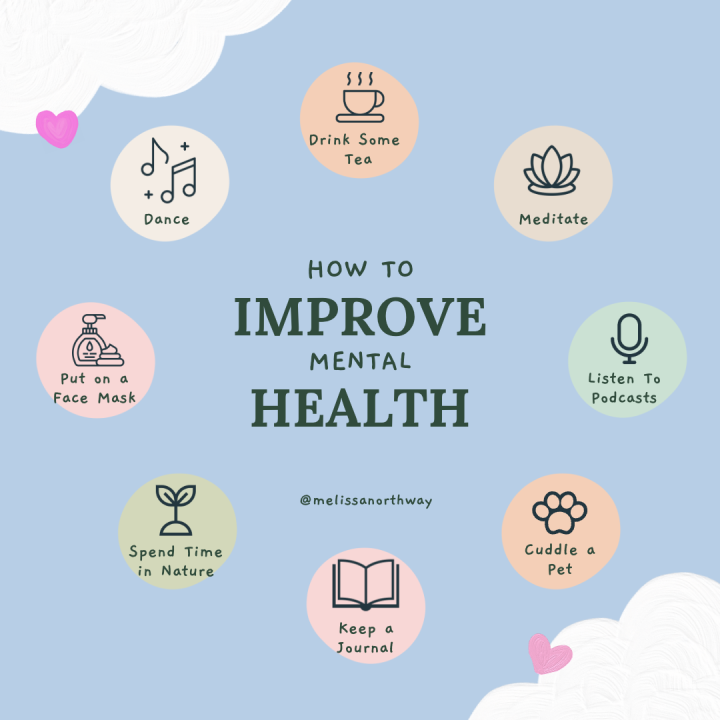
Good health isn’t built through one perfect meal, an intense workout, or a short-term diet. It’s shaped by the everyday choices you make repeatedly. If you’re wondering how to improve health, the most effective approach is usually to build simple habits that support your physical and mental well-being.
A healthy lifestyle doesn’t mean giving up everything you enjoy. It means creating a realistic balance between nutritious food, movement, rest, stress management, preventive care, and social connection.
The good news is that you don’t have to change your entire life overnight. A few practical adjustments can create a strong foundation for better health and help you feel more energetic and capable in everyday life.
What Does Good Health Really Mean?
Health is more than simply avoiding illness. It includes physical fitness, emotional well-being, mental resilience, healthy relationships, and the ability to handle normal daily activities.
Improving health can therefore involve several areas at once:
- Eating nutritious foods
- Moving your body regularly
- Sleeping well
- Managing stress
- Maintaining a healthy weight when appropriate
- Avoiding harmful substances
- Staying socially connected
- Attending recommended medical checkups
Rather than searching for a single “best” health trick, look at your overall lifestyle and identify the areas where a small improvement is realistic.
Eat a Balanced and Nutritious Diet
Food provides the energy and nutrients your body needs to function. A balanced eating pattern should include a variety of foods rather than relying on restrictive diets.
Choose More Nutrient-Dense Foods
Try to include:
- Vegetables and fruits
- Whole grains
- Beans, lentils, and other legumes
- Nuts and seeds
- Lean sources of protein
- Fish, eggs, or other protein-rich foods
- Healthy unsaturated fats
At the same time, limit excessive amounts of highly processed foods, added sugars, and foods high in saturated fat or sodium.
You don’t need to make every meal perfect. For example, if your usual lunch is mostly refined carbohydrates, adding vegetables and a source of protein can make it more balanced.
Make Healthy Eating Easier
Planning can help. Keep nutritious foods available at home, prepare simple meals in advance, and pay attention to portion sizes.
If you have a medical condition, food allergy, or specific nutritional requirement, consider discussing your diet with a qualified healthcare professional.
Make Regular Physical Activity a Habit
Physical activity is one of the most important parts of a healthy lifestyle. It can support cardiovascular health, muscle strength, mobility, mood, and overall fitness.
You don’t necessarily need a gym membership.
Walking, cycling, swimming, dancing, household activities, and recreational sports can all contribute to an active lifestyle.
Start at Your Current Fitness Level
If you’re currently inactive, begin gradually. A short daily walk may be more sustainable than committing to an intense workout schedule that you quickly abandon.
A useful weekly routine can combine:
- Moderate aerobic activity
- Strength-building exercises
- Mobility or flexibility work
- Regular movement throughout the day
The right amount and intensity depend on your age, fitness level, health status, and goals.
Prioritize Quality Sleep
Sleep is often overlooked when people think about improving health. Yet consistent, good-quality sleep supports physical recovery, concentration, mood, and everyday functioning.
Adults generally need around seven or more hours of sleep per night, although individual needs can vary.
Improve Your Sleep Routine
Try these practical habits:
- Keep a relatively consistent sleep and wake schedule.
- Create a quiet, comfortable sleeping environment.
- Reduce stimulating activities close to bedtime.
- Avoid consuming caffeine too late in the day if it affects your sleep.
- Give yourself enough time to wind down before bed.
If you regularly struggle with sleep or feel excessively tired despite getting enough time in bed, speak with a healthcare professional.
Drink Enough Water
Your body needs water for many essential functions. Fluid requirements vary according to factors such as climate, physical activity, diet, age, and individual health.
Instead of obsessing over one fixed amount, pay attention to thirst and your body’s needs. Drink more fluids during hot weather or prolonged physical activity when appropriate.
Water is generally a simple everyday choice, while sugary drinks can add substantial amounts of added sugar to your diet.
Learn to Manage Stress
Some stress is a normal part of life, but ongoing unmanaged stress can affect your mood, sleep, behavior, and overall well-being.
Healthy Ways to Reduce Stress
Different strategies work for different people. You could try:
- Taking a walk outdoors
- Practicing slow breathing
- Spending time with supportive people
- Journaling
- Listening to music
- Pursuing hobbies
- Taking regular breaks from screens
- Organizing tasks into smaller steps
You don’t have to eliminate every source of stress. The goal is to develop healthier ways to respond to challenges.
If stress becomes overwhelming or interferes significantly with daily life, professional support can be valuable.
Avoid Tobacco and Limit Alcohol
Avoiding tobacco is one of the most important things you can do for long-term health. If you smoke or use tobacco products, quitting can provide substantial health benefits.
Alcohol can also affect health, and drinking less generally lowers alcohol-related risks. People who don’t drink do not need to start for health reasons.
If quitting tobacco or changing alcohol use feels difficult, healthcare professionals and evidence-based cessation services can provide support.
Maintain Healthy Relationships
Social connection is an important part of overall well-being. Supportive relationships can provide companionship, encouragement, practical help, and a sense of belonging.
Make time for people who contribute positively to your life. A phone call, shared meal, walk, or simple conversation can help maintain meaningful connections.
Healthy relationships also involve boundaries. It’s okay to protect your time and emotional energy when relationships consistently create unnecessary stress.
Don’t Ignore Preventive Healthcare
Healthy habits are important, but they don’t replace professional medical care.
Preventive healthcare may include:
- Routine checkups when recommended
- Age- and risk-appropriate health screenings
- Recommended vaccinations
- Dental and eye care
- Monitoring relevant health measurements
- Discussing unusual or persistent symptoms with a healthcare professional
The appropriate screenings and checkups vary by age, sex, family history, location, and individual risk factors. Follow guidance from a qualified healthcare professional rather than relying on generic online schedules.
Build Healthy Habits That Last
Knowing how to improve health is one thing; turning that knowledge into consistent behavior is another.
Use Small, Specific Goals
Instead of saying, “I’ll become healthier,” choose a measurable action.
For example:
Vague goal:
“I’ll exercise more.”
Specific goal:
“I’ll take a 20-minute walk after dinner on four days this week.”
Small goals are easier to track and adjust.
Don’t Depend on Motivation Alone
Motivation naturally changes. A routine, reminder, prepared environment, and realistic schedule can make healthy behavior easier even when motivation is low.
You can also focus on one habit at a time. Once it becomes relatively automatic, introduce another change.
Track Progress Without Obsessing
A simple record of walking sessions, sleep times, meals, or other habits can help you identify patterns. However, don’t let tracking become a source of unnecessary stress.
Progress isn’t always linear. Missing a workout or eating an indulgent meal doesn’t erase your previous efforts. Return to your routine at the next opportunity.
A Simple Daily Health Checklist
| Health Area | Practical Goal |
| Nutrition | Include a variety of nutritious foods |
| Movement | Stay physically active throughout the day |
| Exercise | Include aerobic and strength activities |
| Sleep | Maintain a consistent sleep routine |
| Hydration | Drink fluids according to your needs |
| Stress | Use healthy coping strategies |
| Tobacco | Avoid tobacco and nicotine products |
| Alcohol | Limit intake or avoid it |
| Relationships | Maintain supportive social connections |
| Prevention | Keep up with appropriate healthcare |
Key Takeaways
- Improving health is a long-term process, not a quick challenge.
- Build your diet around a variety of nutritious foods.
- Stay active and increase movement gradually if you’re currently inactive.
- Make quality sleep a regular priority.
- Drink enough fluids for your individual needs.
- Develop practical strategies for managing stress.
- Avoid tobacco and limit alcohol.
- Maintain supportive relationships and social connections.
- Use preventive healthcare appropriate to your circumstances.
- Focus on sustainable habits instead of extreme lifestyle changes.
FAQs
1. What is the easiest way to improve health?
Start with simple habits like eating better, walking regularly, and getting enough sleep.
2. How long does it take to improve your health?
It varies, but consistent healthy habits can improve well-being over time.
3. Can walking improve overall health?
Yes. Regular walking can support fitness, heart health, and overall well-being.
4. What foods are best for a healthy lifestyle?
Choose vegetables, fruits, whole grains, legumes, nuts, and healthy protein sources.
5. How much sleep should adults get?
Most adults should aim for at least 7 hours of sleep each night.
6. How can I improve my health without going to the gym?
Walk, cycle, dance, swim, or do simple exercises at home.
7. What is the most important health habit?
A combination of good nutrition, regular activity, quality sleep, and stress management is best.
Conclusion
Learning how to improve health doesn’t require an extreme diet, expensive equipment, or a complete lifestyle makeover. The strongest foundation comes from ordinary habits practiced consistently: eat a varied and nutritious diet, move regularly, sleep well, manage stress, avoid tobacco, limit alcohol, maintain meaningful relationships, and stay up to date with appropriate preventive care.
Start with one change you can realistically maintain. Once it becomes part of your routine, build from there. Small steps may seem insignificant at first, but healthy choices become much more powerful when they are repeated over months and years.
Learn About: Gameday Men’s Health
