
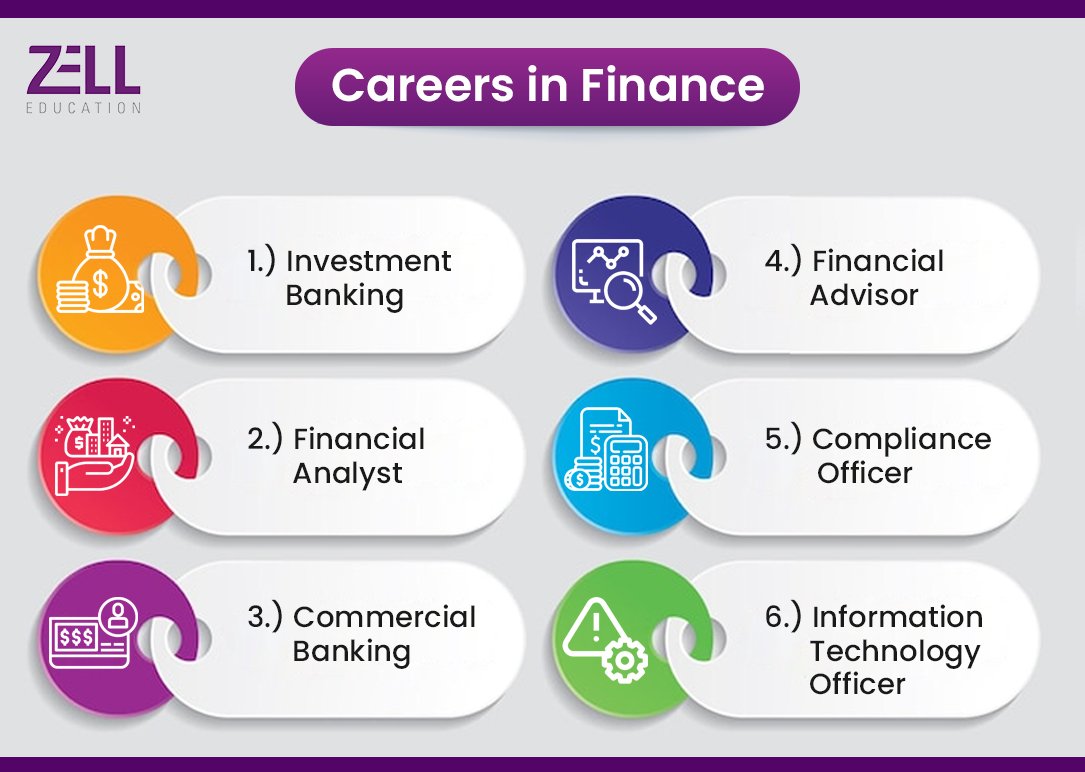
The finance industry offers a wide range of career opportunities for people who enjoy working with numbers, solving problems, analysing information, and making informed decisions. From traditional banking and accounting roles to fast-growing fintech careers, there are many ways to build a successful career in finance.
Finance jobs can be found across almost every industry because businesses need professionals who can manage budgets, analyse performance, control costs, assess risks, and support strategic decisions.
Whether you’re a recent graduate, an experienced professional, or someone considering a career change, understanding the different roles, required skills, qualifications, and career paths can help you choose the right opportunity.
This guide explains the most popular finance careers, what employers look for, salary factors, and practical steps for finding and securing a finance role.
What Are Finance Jobs?
Finance jobs involve managing, analysing, planning, or advising on money and financial information. These roles exist in banks, accounting firms, investment companies, insurance providers, government organisations, technology businesses, charities, and almost every other sector.
Some finance professionals focus heavily on numbers and financial data, while others work more closely with clients, management teams, or business strategy.
Common responsibilities can include:
- Preparing and reviewing financial reports
- Managing budgets and expenses
- Analysing business performance
- Forecasting revenue and costs
- Managing financial risks
- Preparing tax information
- Supporting investment decisions
- Advising clients or businesses
- Ensuring financial regulations are followed
Because the field is broad, there isn’t one single career path. Your interests and strengths can help determine which finance role is the best fit.
Popular Types of Finance Jobs
Financial Analyst
Financial analysts examine financial data to help companies make better business decisions. They may prepare forecasts, analyse company performance, compare investment opportunities, and create financial models.
This role is particularly suitable for people who enjoy research, data analysis, and problem-solving.
Accountant
Accountants help individuals and organisations maintain accurate financial records. Their work can involve preparing accounts, managing tax information, reviewing transactions, and supporting financial reporting.
Accounting offers several specialisations, including management accounting, tax accounting, audit, and financial accounting.
Finance Manager
Finance managers oversee important financial activities within an organisation. They may manage budgets, monitor financial performance, prepare reports, and work with senior leaders on business planning.
This is generally a more experienced position and often requires several years of relevant professional experience.
Investment Analyst
Investment analysts research companies, markets, industries, and financial instruments. Their analysis can help investment firms and other organisations evaluate potential investment opportunities and risks.
Strong research, analytical, and quantitative skills are important for this career.
Auditor
Auditors examine financial records and processes to assess whether information is accurate and whether appropriate procedures are being followed.
Auditing can provide valuable experience because professionals often work with different organisations and gain exposure to many types of businesses.
Financial Adviser
Financial advisers work with clients to understand their financial goals and provide advice within the relevant regulatory framework. Depending on the role, they may work with areas such as investments, pensions, retirement planning, or financial protection.
Strong communication and relationship-building skills are particularly important in client-facing finance careers.
Skills You Need for a Finance Career
A successful finance professional needs more than the ability to work with numbers. Employers often look for a combination of technical and interpersonal skills.
Important Technical Skills
Depending on the role, useful technical skills include:
- Financial analysis
- Accounting principles
- Budgeting and forecasting
- Financial modelling
- Data analysis
- Spreadsheet skills
- Financial reporting
- Risk analysis
- Knowledge of relevant regulations
Technology skills are also becoming increasingly important as finance teams rely on digital systems and data-driven decision-making.
Soft Skills
Employers also value:
- Communication
- Attention to detail
- Time management
- Critical thinking
- Problem-solving
- Teamwork
- Organisation
- Commercial awareness
For example, a financial analyst may have excellent technical skills but still struggle to succeed if they cannot explain complex financial information clearly to colleagues.
Qualifications for Finance Jobs
The qualification requirements vary considerably depending on the position.
Many entry-level finance roles accept candidates with degrees in subjects such as:
- Finance
- Accounting
- Economics
- Business
- Mathematics
- Statistics
However, a specific degree isn’t always essential. Relevant experience, professional qualifications, technical skills, and demonstrable interest in finance can also be valuable.
Professional qualifications can be particularly useful for people pursuing accounting and specialist financial careers. Depending on your chosen path, recognised professional bodies and qualifications may include accounting, investment, risk, or financial planning credentials.
Before committing to a qualification, check the requirements of the specific career you want to pursue. Some regulated roles have additional requirements.
Entry-Level Finance Careers
Getting your first finance job can feel challenging because many employers want candidates with experience. The good news is that there are several ways to build relevant experience.
Entry-level opportunities may include:
- Finance assistant
- Accounts assistant
- Junior accountant
- Payroll assistant
- Banking assistant
- Audit trainee
- Financial administration roles
- Graduate finance programmes
- Finance internships
Even an administrative position within a finance department can provide useful exposure to financial systems, reporting processes, and workplace procedures.
Build Experience Before Applying
If you have limited professional experience, consider developing practical projects. For example, you could create a simple business budget, analyse a company’s publicly available financial statements, or practise building financial models using spreadsheet software.
These projects can give you something specific to discuss during interviews and demonstrate genuine interest in the field.
How to Find Finance Jobs
There are several effective ways to search for finance opportunities.
1. Use Online Job Platforms
Search using specific job titles rather than only using broad terms. For example, try searches such as “junior financial analyst,” “accounts assistant,” or “finance manager.”
Specific searches can help you identify positions that match your experience level.
2. Check Company Career Pages
Many employers advertise vacancies directly on their websites. If you have a shortlist of companies you would like to work for, regularly checking their career pages can help you find new opportunities.
3. Build a Professional Network
Networking can help you learn about opportunities that may not be widely advertised. Attend professional events, connect with finance professionals, and participate in relevant industry discussions.
4. Tailor Your CV
Avoid sending exactly the same CV to every employer. Read the job description carefully and highlight the skills and experience most relevant to that particular position.
If you’re applying for roles that involve financial responsibility, maintaining a good understanding of your own financial profile can also be useful. Resources covering topics such as understanding your credit file can help you become more informed about personal financial records and how they may be used.
understanding your credit file
How to Improve Your Chances of Getting Hired
Competition for attractive finance roles can be strong, so small improvements to your application can make a difference.
Make Your CV Results-Focused
Instead of simply listing responsibilities, show what you achieved.
For example:
Weak:
“Responsible for preparing monthly reports.”
Stronger:
“Prepared monthly financial reports and helped identify spending variances for management review.”
The second version gives the employer a clearer idea of your contribution.
Prepare for Finance Interviews
Finance interviews can include competency questions, technical questions, case studies, or practical tasks.
Prepare examples that demonstrate:
- Problem-solving
- Analytical thinking
- Accuracy
- Teamwork
- Communication
- Handling deadlines
- Working with financial information
If the position involves technical knowledge, review the core concepts listed in the job description before your interview.
Finance Jobs and Technology
Technology is changing how finance teams operate. Automated systems can handle many repetitive tasks, allowing finance professionals to spend more time analysing information and supporting business decisions.
Areas such as financial technology, data analytics, automation, artificial intelligence, and digital banking are creating new opportunities alongside traditional finance careers.
This means modern finance professionals can benefit from combining financial knowledge with technology skills.
For example, someone working in finance who understands spreadsheets, data visualisation, financial software, and basic data analysis may have an advantage in roles where large amounts of information need to be interpreted quickly.
Career Growth in Finance
Finance can offer strong opportunities for long-term career development.
A typical progression might look like:
Finance Assistant → Financial Analyst → Senior Analyst → Finance Manager → Financial Controller → Finance Director
However, career paths differ depending on the organisation and specialisation.
Someone working in accounting may move toward audit, tax, management accounting, or financial control. An investment professional may progress toward portfolio management or senior investment roles.
The most useful approach is to develop expertise gradually while taking on increasingly complex responsibilities.
Salary Expectations for Finance Jobs
Finance salaries vary significantly based on factors such as:
| Factor | Why It Matters |
| Job title | Senior roles usually carry greater responsibility |
| Experience | More experience can lead to higher earning potential |
| Location | Salaries can vary between cities and regions |
| Qualifications | Relevant professional credentials may improve opportunities |
| Industry | Some sectors pay more for specialised finance skills |
| Company size | Larger organisations may have broader salary ranges |
| Specialisation | Technical or regulated areas may offer different compensation |
Rather than focusing only on the highest advertised salary, consider the complete package, including benefits, training, progression opportunities, flexibility, and job responsibilities.
Key Takeaways
- Finance offers careers across banking, accounting, investment, insurance, fintech, and corporate finance.
- Popular roles include financial analyst, accountant, auditor, finance manager, and financial adviser.
- Technical and soft skills are both important.
- Relevant qualifications can strengthen your career prospects, depending on the role.
- Entry-level positions can provide valuable experience for long-term progression.
- Tailoring your CV to each vacancy can improve your applications.
- Technology and data skills are becoming increasingly valuable in modern finance.
- Career growth often comes from combining experience, qualifications, and specialist knowledge.
FAQs
1. What are the most common finance jobs?
Common finance careers include financial analyst, accountant, auditor, finance manager, investment analyst, financial adviser, payroll specialist, and financial controller.
2. Is finance a good career choice?
Finance can be a strong career choice for people who enjoy analytical thinking, numbers, business, problem-solving, and decision-making. The industry also offers opportunities across many different sectors.
3. What qualifications do I need for finance jobs?
Requirements depend on the position. Some roles may accept graduates with finance-related degrees, while others may require professional qualifications, relevant experience, or specific regulatory credentials.
4. Can I get a finance job without experience?
Yes. Entry-level positions, internships, graduate programmes, and finance administration roles can help you gain practical experience. Building relevant technical skills and demonstrating your knowledge through projects can also strengthen your CV.
5. What skills are important for finance jobs?
Important skills include financial analysis, accounting knowledge, spreadsheet proficiency, attention to detail, communication, critical thinking, organisation, and problem-solving.
6. Are finance jobs being affected by AI?
AI and automation are changing many finance processes, particularly repetitive tasks and data processing. At the same time, these technologies are creating demand for professionals who can interpret data, oversee systems, manage risks, and make informed business decisions.
7. How can I stand out when applying for finance jobs?
Tailor your CV to the vacancy, quantify achievements where possible, develop relevant technical skills, research the employer, and prepare practical examples for interviews. Demonstrating both financial knowledge and strong communication can make your application more compelling.
Conclusion
Finance jobs offer diverse career paths for people interested in numbers, business, analysis, and decision-making. Whether you want to work in accounting, banking, investment, corporate finance, financial advice, or fintech, there are opportunities at different stages of a professional career.
The best way to build a sustainable finance career is to focus on useful skills rather than chasing job titles alone. Gain practical experience, understand the requirements of your chosen specialisation, develop strong communication skills, and continue learning as technology changes the industry.
For professionals and job seekers who want to understand broader financial topics, exploring resources such as FundFire Insight can provide another perspective on finance-related information and industry developments.
