
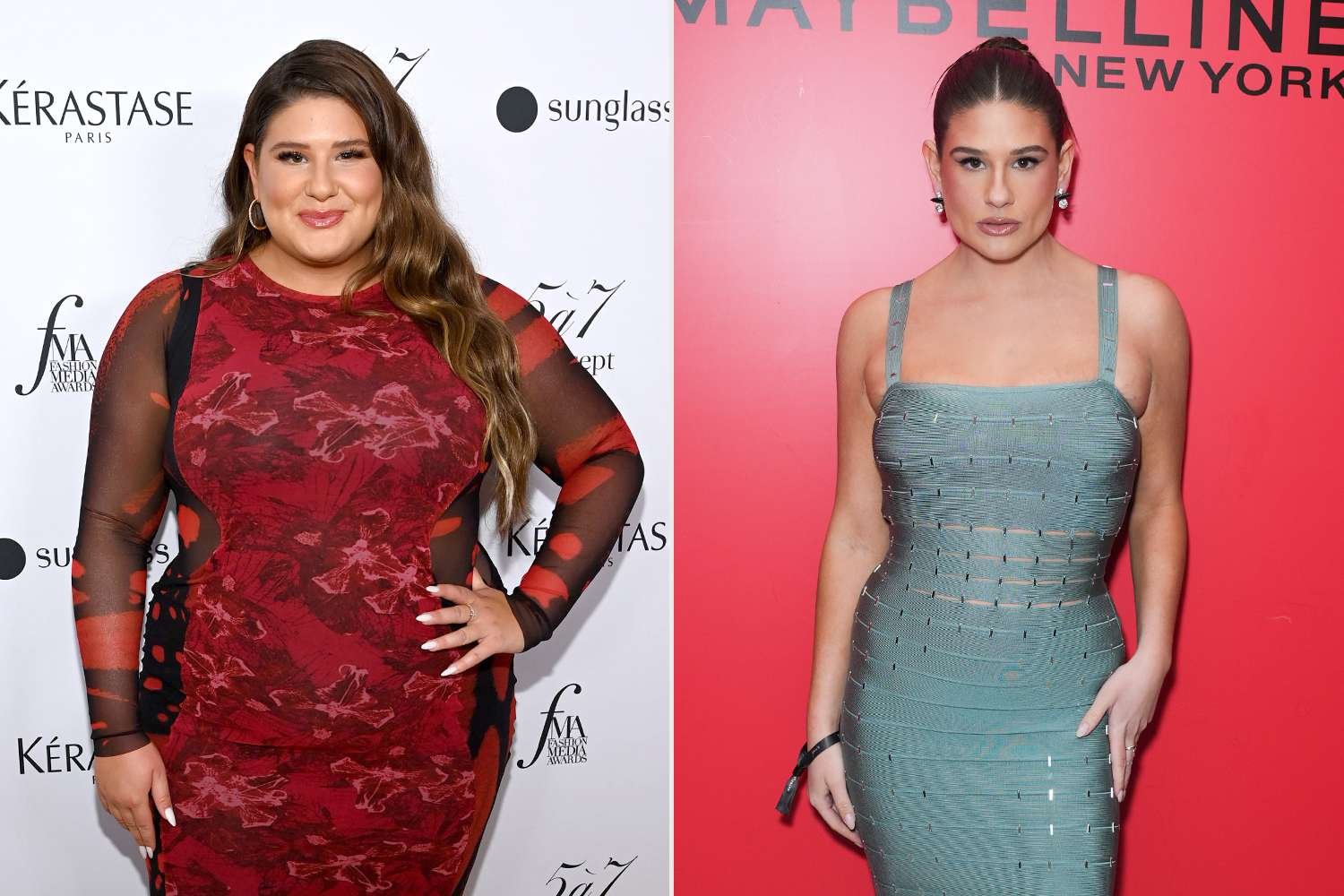
Celebrity weight-loss transformations regularly become a major topic of conversation. Fans may notice an actor looking different for a movie role, a musician changing their fitness routine, or a public figure discussing healthier lifestyle habits. This growing interest in celebrity fat loss can make it tempting to search for the exact diet, workout, or supplement behind a particular transformation.
The reality is usually more complicated.
Celebrities have access to personal trainers, nutrition professionals, chefs, doctors, and other resources that aren’t available to everyone. Some also have demanding schedules that require carefully planned routines. Most importantly, a person’s weight and body composition are influenced by many factors, including genetics, age, activity levels, nutrition, sleep, medications, and overall health.
This guide looks at celebrity fat loss from a realistic and health-focused perspective. Instead of promoting extreme diets or unrealistic expectations, it explains what people can learn from celebrity transformations and how to approach weight management safely.
What Is Celebrity Fat Loss?
Celebrity fat loss refers to weight or body-composition changes experienced by actors, musicians, athletes, influencers, television personalities, and other well-known public figures.
These transformations can happen for many different reasons. Someone might intentionally lose weight for general health, prepare physically for a professional role, change their training program, or simply adopt different lifestyle habits.
It’s important to remember that fat loss and weight loss aren’t exactly the same thing. Weight can change because of fluctuations in body fat, muscle, water, and other factors. A scale alone cannot tell the complete story of someone’s health or fitness.
Why individual results vary
Two people can follow similar eating and exercise routines and experience very different results. Factors such as the following can influence progress:
- Genetics
- Age
- Muscle mass
- Daily activity
- Food intake
- Sleep quality
- Stress
- Medical conditions
- Medications
- Previous weight-loss history
For this reason, copying a celebrity’s routine isn’t necessarily the best approach.
Why Celebrity Weight-Loss Transformations Get So Much Attention
The entertainment industry places significant attention on appearance. Before-and-after photographs, interviews, movie roles, red-carpet appearances, and social media posts can all contribute to public fascination with celebrity bodies.
The visual nature of celebrity culture also makes transformations particularly noticeable.
People may search for:
- Celebrity weight-loss stories
- Celebrity diet plans
- Celebrity workout routines
- Before-and-after celebrity photos
- Celebrity fitness transformations
- Healthy weight-loss methods
- How celebrities maintain their physique
However, photographs rarely provide the complete context. Lighting, clothing, posture, camera angles, photo editing, temporary water changes, and different filming conditions can all affect how someone’s body appears.
For readers interested in visual celebrity content, you can explore a collection of celebrity photos to see how photographs capture public figures in different settings and appearances.
Common Strategies Behind Sustainable Weight Loss
Although celebrity routines can differ significantly, the basic principles of healthy weight management are not exclusive to famous people.
1. Balanced nutrition
Sustainable fat loss generally begins with eating patterns that provide enough nutrients while supporting an appropriate calorie intake.
A balanced diet may include:
- Vegetables and fruits
- Whole grains
- Lean sources of protein
- Healthy fats
- High-fiber foods
- Adequate fluids
Rather than eliminating entire food groups without a medical reason, many people benefit from creating meals that are satisfying and nutritionally balanced.
2. Consistent physical activity
Exercise can support fat loss while also improving cardiovascular fitness, strength, mobility, and overall well-being.
A balanced routine may combine:
- Walking or other aerobic activity
- Resistance training
- Mobility exercises
- Recreational sports
- Daily movement
Resistance training can be particularly useful because maintaining muscle is an important consideration during weight loss.
3. Adequate sleep
Sleep is often overlooked when people discuss celebrity fitness routines. Poor sleep can affect appetite, energy, mood, recovery, and the ability to maintain consistent healthy habits.
A regular sleep schedule can therefore be an important part of a sustainable lifestyle.
4. Professional guidance
Celebrities sometimes work with registered dietitians, trainers, physicians, and other professionals. This support can help them create routines appropriate for their individual circumstances.
For people with specific health concerns, professional advice can be more valuable than copying an online celebrity diet.
Celebrity Diets: What You Should Know
Celebrity diets can generate headlines, but popularity doesn’t automatically mean a diet is safe or effective.
Extreme calorie restriction, prolonged fasting, unnecessary food elimination, or unverified supplements can create risks and may not produce sustainable results.
Before trying a diet promoted by a celebrity, ask:
- Is there credible evidence supporting it?
- Does it provide adequate nutrition?
- Can it realistically be maintained?
- Is it appropriate for my health and lifestyle?
- Does it encourage sustainable habits rather than rapid results?
A diet that works for one person may not be appropriate for another.
Don’t confuse marketing with medical advice
Celebrity endorsements can make products and programs appear trustworthy. However, an individual’s personal experience isn’t the same as scientific evidence.
Weight-loss products should be evaluated carefully, particularly when they promise dramatic results in a very short period.
The Role of Exercise in Fat Loss
Exercise is valuable, but effective weight management isn’t simply about spending hours in a gym.
A practical fitness routine should match a person’s current ability, schedule, preferences, and goals.
For beginners, something as simple as regular walking can provide a useful starting point. Over time, people can gradually introduce resistance exercises and other forms of physical activity.
Strength training matters
Strength training can help build or maintain muscle while someone works toward changing their body composition.
Common exercises include:
- Squats
- Lunges
- Push-ups
- Rows
- Hip hinges
- Resistance-band exercises
The goal isn’t necessarily to train like a professional actor or athlete. Consistency is usually more useful than following an extreme program for a few weeks.
Why Rapid Weight Loss Can Be Misleading
Some celebrity transformations appear to happen extremely quickly. This can create unrealistic expectations for people trying to lose weight themselves.
Rapid changes on the scale don’t necessarily represent pure fat loss. Water and glycogen changes can cause noticeable short-term fluctuations.
Entertainment projects can also involve professional teams and highly controlled schedules. An actor preparing for a specific role may have resources and supervision that the average person doesn’t have.
Comparing your everyday progress with a celebrity’s carefully documented transformation can therefore be misleading.
Focus on sustainable progress
Instead of asking, “How quickly can I look like this celebrity?” a healthier question is:
“What habits can I maintain for the long term?”
That shift encourages realistic goals and reduces pressure to achieve dramatic changes immediately.
How to Build a Healthier Weight-Loss Routine
If celebrity transformations have motivated you to improve your health, use them as inspiration rather than a blueprint.
A practical approach
1. Set a realistic goal
Decide what you want to improve, whether that’s fitness, strength, nutrition, energy, or gradual weight reduction.
2. Improve your meals
Prioritize nutrient-dense foods and pay attention to portions without relying on extreme restrictions.
3. Increase daily movement
Walking more, taking active breaks, and choosing enjoyable activities can make a meaningful difference.
4. Add resistance training
Start at an appropriate level and gradually increase difficulty.
5. Prioritize sleep
Create a consistent sleep routine and give your body adequate recovery time.
6. Track progress sensibly
Weight is only one measure. Fitness, strength, waist measurements, energy levels, and consistency can also provide useful information.
7. Be patient
Healthy body-composition changes generally take time. Short-term fluctuations are normal.
Celebrity Photos and Body-Image Expectations
Celebrity photos can be entertaining, but they can also influence how people perceive their own appearance.
A single photograph doesn’t show someone’s complete lifestyle, health history, diet, exercise routine, or mental well-being. It also doesn’t establish what a healthy body should look like.
Social media and entertainment photography can create highly curated images. Professional styling, makeup, lighting, posing, editing, and selective photography can all change how a person appears.
That’s why celebrity photos should be enjoyed as entertainment rather than used as a standard for personal health.
A healthier mindset is to focus on what your body can do and how you feel rather than comparing yourself with carefully selected images of public figures.
Key Takeaways
- Celebrity fat loss stories can be interesting, but they shouldn’t be treated as universal weight-loss formulas.
- Sustainable weight management usually involves nutrition, physical activity, sleep, recovery, and consistency.
- Celebrity diets and supplements aren’t automatically safe or scientifically supported.
- Rapid changes in body weight may involve water and other factors, not just fat loss.
- Professional support can be valuable when someone has specific health or nutritional needs.
- Celebrity photos can be influenced by lighting, styling, posing, editing, and photography conditions.
- Your own health goals should be based on your individual needs rather than comparison with public figures.
FAQs
1. What is celebrity fat loss?
Celebrity fat loss refers to weight or body-composition changes experienced by public figures.
2. How do celebrities lose weight so quickly?
They may use structured diets, exercise programs, and professional guidance, but results vary from person to person.
3. Are celebrity diets safe?
Not always. A celebrity diet may not be suitable or safe for everyone.
4. Is exercise necessary for fat loss?
Exercise can support fat loss, fitness, strength, and overall health.
5. Why shouldn’t I compare my body with celebrity photos?
Photos can be affected by lighting, posing, styling, and editing, so they don’t show the full picture.
6. What is the healthiest approach to weight loss?
Focus on balanced nutrition, regular activity, good sleep, and sustainable habits.
7. Can celebrity transformations be useful for motivation?
Yes. They can inspire healthier habits, but copying a celebrity’s exact routine isn’t recommended.
Conclusion
Celebrity fat loss will likely remain a popular subject because dramatic transformations naturally attract attention. But the most useful lesson isn’t a particular celebrity diet, workout, or quick-fix product.
Healthy body-composition changes are personal. What works for one celebrity may be completely inappropriate for another person. Sustainable progress is more likely to come from balanced nutrition, regular movement, strength training, good sleep, realistic expectations, and consistency.
