
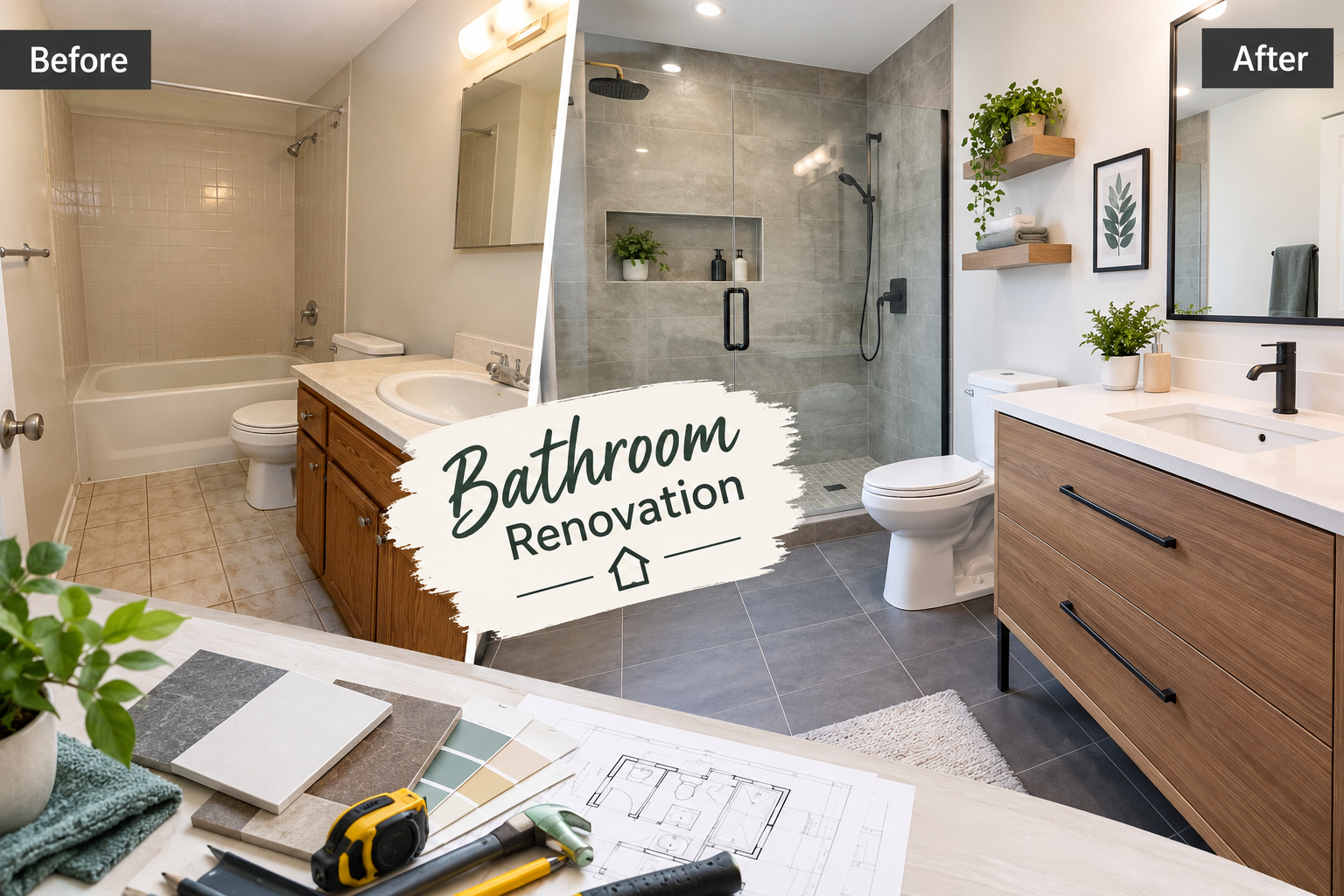
A bathroom renovation is an opportunity to improve comfort, functionality, appearance, and the overall use of your home. Whether you want to replace outdated fixtures, improve storage, update the flooring, or redesign the entire room, careful planning can help you achieve a practical and attractive result. The right renovation choices depend on your available space, budget, household needs, and preferred style.
A successful bathroom renovation involves more than selecting attractive tiles and modern fittings. Plumbing, ventilation, waterproofing, lighting, and material quality all influence how well the finished bathroom performs over time. Understanding these elements before work begins can help you make informed decisions, avoid unnecessary changes, and create a space that suits your daily routine.
What to Consider Before a Bathroom Renovation
Before starting a bathroom renovation, identify the problems you want to solve. An outdated appearance may require only cosmetic improvements, while persistent moisture, damaged flooring, plumbing problems, or an inefficient layout may require more extensive work.
Begin by assessing the existing bathroom. Check the condition of the walls, floor, shower, bathtub, toilet, sink, taps, and storage units. Look for signs of water damage, loose tiles, leaking pipes, and poor ventilation. Problems hidden behind walls or beneath flooring may also need professional inspection.
Next, decide which improvements matter most. For example, a family bathroom may need additional storage and easy-to-clean surfaces, while a smaller bathroom may benefit from a space-saving vanity and a well-designed shower.
Consider these questions before making decisions:
- Does the current layout meet your needs?
- Are the plumbing fixtures working properly?
- Is there enough storage for everyday essentials?
- Does the bathroom have suitable lighting and ventilation?
- Which features should be replaced, repaired, or retained?
Answering these questions creates a clear starting point and helps you focus your budget on improvements that provide practical value.
Setting a Realistic Renovation Budget
The cost of a bathroom renovation depends on the room’s size, the condition of existing fixtures, the materials you choose, labor rates, and the amount of structural or plumbing work required. A simple cosmetic update generally requires less work than a complete redesign involving new plumbing, electrical installations, or extensive waterproofing.
Create a detailed budget before purchasing materials or hiring contractors. Include the cost of fixtures, tiles, flooring, lighting, cabinetry, plumbing, labor, waste removal, and any required permits. Ask contractors for written estimates that explain the work included in their prices.
It is also sensible to reserve additional funds for unexpected problems. Damaged pipes, hidden leaks, deteriorated subfloors, or moisture behind walls may become apparent only after the existing finishes are removed.
Where to Spend and Where to Save
Prioritize essential improvements such as waterproofing, plumbing repairs, and proper ventilation. These elements protect the bathroom and support its long-term performance.
You may be able to save money by retaining the existing layout, keeping serviceable fixtures, or choosing attractive standard-sized tiles instead of expensive specialty designs.
Compare several suitable products before making a purchase, but do not select materials based on price alone. Durability, maintenance requirements, installation costs, and suitability for wet environments should also influence your decision.
Choosing a Bathroom Design That Works
A good bathroom design balances appearance with everyday functionality. Before choosing colors or decorative features, consider how people move through the room and how each fixture fits into the available space.
For example, a compact bathroom may benefit from a wall-mounted vanity, a large mirror, and a clear glass shower screen. These features can create a more open appearance without requiring major structural changes.
In a larger bathroom, you may have room for a separate shower and bathtub, additional cabinetry, or a double vanity. However, the design should still allow comfortable movement and convenient access to essential fixtures.
Popular Bathroom Design Styles
Modern bathroom: Clean lines, simple fixtures, neutral colors, and uncluttered surfaces create a contemporary appearance.
Minimalist bathroom: Limited decoration, practical storage, and a restrained color palette help keep the space visually calm.
Traditional bathroom: Classic fittings, decorative details, and timeless materials provide a familiar, elegant look.
Natural bathroom: Stone-inspired surfaces, wood-effect finishes, and earthy colors create a warm atmosphere.
Choose a style that complements the rest of your home and suits your maintenance preferences. A visually appealing design should remain practical after everyday use.
Selecting Durable Materials and Fixtures
Material selection is an important part of bathroom renovation because the room regularly experiences moisture, temperature changes, and frequent cleaning.
For flooring, choose products specifically rated for bathroom use. Porcelain and ceramic tiles are common options because they are available in many designs and are generally easy to maintain. However, the surface finish matters. Select suitable slip-resistant flooring, particularly for areas that become wet.
For shower walls, use appropriate waterproofing systems and compatible finishes. Tile alone does not make a shower waterproof; the underlying installation must be designed to prevent water from reaching vulnerable building materials.
When choosing a vanity, consider the available width, storage capacity, sink configuration, and resistance to moisture. A well-organized vanity can keep toiletries accessible without filling the countertop with everyday items.
Pay attention to smaller fixtures as well. Taps, showerheads, towel rails, and cabinet handles should suit the design while offering dependable performance.
Choosing the Right Lighting
Bathroom lighting should support grooming, cleaning, and general use. A combination of ambient lighting and task lighting can make the room more comfortable.
Lighting near the mirror is especially important because shadows can make shaving, applying makeup, or other personal care activities more difficult. Choose fixtures designed for the bathroom’s moisture conditions and follow applicable electrical safety requirements.
Natural light can also improve the atmosphere, but privacy should remain a priority when selecting windows, glazing, or window coverings.
Improving Bathroom Storage and Space
Storage is particularly important in small bathrooms, where clutter can make the room feel cramped. A renovation provides an opportunity to create designated spaces for toiletries, towels, cleaning products, and other essentials.
Wall-mounted shelves can use vertical space without taking up additional floor area. Recessed shower niches provide convenient storage for shampoo and soap when they can be installed safely within the wall structure.
Vanities with drawers or organized compartments can make better use of the space beneath the sink. Mirrored cabinets offer another practical option because they combine storage with a useful everyday feature.
For narrow bathrooms, consider a compact sink, a sliding shower door where appropriate, or a wall-mounted toilet if the plumbing and structure allow it.
Avoid adding storage simply because space is available. Too many shelves or cabinets can obstruct movement and make cleaning more difficult. The best arrangement keeps frequently used items accessible while maintaining a clear, comfortable layout.
Why Waterproofing and Ventilation Matter
Waterproofing is one of the most important parts of a bathroom renovation. Water can penetrate poorly sealed joints, damaged surfaces, and inadequately protected areas around showers, bathtubs, and plumbing fixtures.
Over time, moisture intrusion may damage flooring, wall materials, and nearby structures. It can also contribute to mold growth when damp conditions persist.
A suitable waterproofing system should be installed according to the product manufacturer’s instructions and applicable building requirements. Pay particular attention to shower floors, wall junctions, drains, and penetrations around pipes.
Ventilation is equally important. Bathrooms produce moisture during showers and baths, and that moisture needs a way to escape.
An appropriately sized exhaust fan can help remove humid air, especially in bathrooms without effective natural ventilation. Where practical, use the fan during bathing and continue running it afterward as recommended by the manufacturer.
Check for signs of poor ventilation, including persistent condensation, musty odors, peeling paint, and recurring mold. Address the underlying moisture problem instead of relying only on cosmetic repairs.
Understanding the Bathroom Renovation Process
Knowing the typical renovation sequence can help you coordinate contractors, order materials, and prepare for temporary disruptions.
Although every project is different, a full bathroom renovation commonly follows these stages:
1. Planning and design: Finalize the layout, select fixtures, establish the budget, and confirm any necessary permissions.
2. Removal of existing finishes: Remove the materials and fixtures that need replacing. Inspect exposed areas for hidden damage.
3. Plumbing and electrical work: Complete required changes to pipes, drains, wiring, outlets, and lighting with appropriately qualified professionals.
4. Structural repairs and preparation: Repair damaged surfaces, prepare the floor and walls, and ensure the installation areas are suitable for new materials.
5. Waterproofing: Install the required waterproofing system and allow it to cure according to the manufacturer’s instructions.
6. Flooring and wall finishes: Install tiles or other approved finishes, followed by the appropriate grouting and sealing where required.
7. Fixture installation: Fit the vanity, toilet, shower, bathtub, taps, lighting, and other selected features.
8. Final inspection: Test plumbing fixtures, check drainage, inspect seals, confirm ventilation, and address unfinished work.
Some tasks can overlap, but the order should be coordinated carefully. For example, plumbing and electrical work generally needs to be completed before walls are closed, while fixtures must be compatible with the finished layout.
Common Renovation Mistakes to Avoid
Even an attractive bathroom can become inconvenient if important practical details are overlooked. Avoiding common mistakes helps protect your investment and improve the finished result.
Underestimating the budget: Focusing only on visible materials can leave insufficient funds for labor, installation, repairs, and unexpected problems.
Ignoring ventilation: Poor moisture control can lead to condensation, damaged finishes, and recurring mold.
Choosing unsuitable materials: Products designed for dry rooms may not perform well in wet areas. Confirm that flooring, wall finishes, and fixtures are appropriate for their intended use.
Changing the layout without careful planning: Moving toilets, showers, or sinks can increase plumbing and installation costs. Compare the benefits with the additional expense before proceeding.
Overlooking storage: A bathroom without sufficient storage can quickly become cluttered, even when its design is attractive.
Rushing installation: Poorly installed tiles, inadequate waterproofing, and incorrectly fitted fixtures can cause problems that are expensive to repair.
Skipping the final inspection: Check for leaks, slow drainage, loose fittings, incomplete sealing, and ventilation problems before considering the project finished.
Taking time to plan each stage can help you avoid preventable issues and achieve a bathroom that performs as well as it looks.
Frequently Asked Questions
1. How much does a bathroom renovation cost?
The cost depends on the room size, materials, labor, plumbing changes, and the extent of the renovation. Obtain detailed local estimates before setting your final budget.
2. How long does a bathroom renovation take?
A minor update may take a few days, while a complete renovation can take several weeks. Project complexity, material availability, and unexpected repairs affect the schedule.
3. What should I renovate first?
Address leaks, damaged structures, plumbing problems, electrical safety, and waterproofing before focusing on decorative improvements.
4. Can I renovate a small bathroom?
Yes. Compact fixtures, wall-mounted storage, suitable lighting, and an efficient layout can make a small bathroom more functional.
5. Do I need a professional for bathroom renovation?
Professional help is recommended for complex plumbing, electrical work, waterproofing, and structural changes. Local regulations may require licensed contractors or permits.
6. Which flooring is best for a bathroom?
Ceramic and porcelain tiles are popular options. Choose bathroom-rated flooring with suitable slip resistance and follow the installation requirements.
7. How can I prevent mold after renovation?
Use effective ventilation, repair leaks promptly, remove excess moisture, and address condensation before it causes lasting damage.
8. Does a bathroom renovation increase home value?
It may improve a home’s appeal, but the effect depends on the property, local market, renovation quality, and overall cost.
Conclusion
A successful bathroom renovation begins with clear priorities, a realistic budget, and a design that supports everyday use. Choosing suitable materials, improving storage, planning lighting, and investing in proper waterproofing and ventilation can make the finished space more comfortable and easier to maintain.
Before starting, assess the existing bathroom, compare your options, and arrange professional assistance for work that requires specialist knowledge. With thoughtful planning and careful installation, you can create a bathroom that meets your needs and remains practical for years to come.
Learn More About: Home Renovation Ideas
