
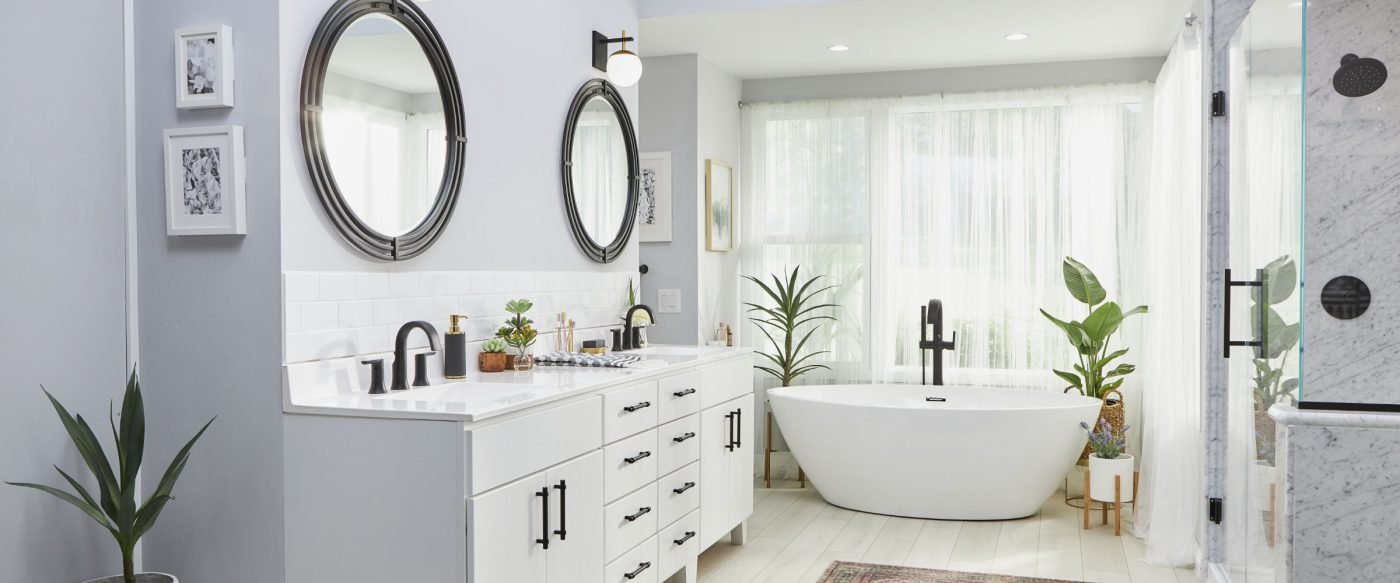
A bathroom is one of the most frequently used spaces in a home. Over time, worn fixtures, outdated tiles, poor lighting, limited storage, and plumbing problems can make it less comfortable and practical. Bath remodeling provides an opportunity to address these issues while creating a bathroom that better suits your needs and personal style.
Whether you want to refresh a small guest bathroom or completely transform a primary bathroom, careful planning can help you achieve better results. You do not always need to change everything. Simple improvements, such as replacing an old vanity, updating lighting, improving ventilation, or installing modern fixtures, can make a noticeable difference.
However, a bathroom renovation involves more than choosing attractive colours and materials. Moisture control, waterproofing, plumbing, electrical safety, accessibility, and ventilation all influence the quality and durability of the finished space.
This guide explains the main types of bath remodeling, popular design ideas, budgeting considerations, material choices, and practical steps to help you plan a successful bathroom renovation.
What Is Bath Remodeling?
Bath remodeling involves changing or upgrading a bathroom to improve its design, usability, condition, or efficiency. The work may be cosmetic, such as repainting walls and replacing accessories, or more extensive, such as changing the layout, replacing plumbing, and installing a new shower.
The scope of a project depends on the bathroom’s condition, the homeowner’s requirements, and the available budget.
Common Types of Bathroom Remodeling
Cosmetic remodeling: This focuses on visible improvements, including paint, mirrors, lighting, cabinet handles, and decorative accessories.
Partial bathroom renovation: This involves upgrading selected features, such as the vanity, toilet, shower, bathtub, or flooring, while retaining other elements.
Full bathroom remodel: A complete renovation may involve replacing most fixtures, updating plumbing and electrical systems, installing new flooring, and changing the overall design.
Layout renovation: This involves moving major fixtures to improve circulation or make better use of the available space. It may require more extensive plumbing and construction work.
Understanding the difference between these project types helps you decide which improvements are necessary and which can wait.
Benefits of Remodeling a Bathroom
A well-planned bathroom renovation can improve everyday comfort and make the space easier to maintain.
1. Improve Functionality
An outdated bathroom may have insufficient storage, awkward fixture placement, or limited space for daily activities. Remodeling allows you to address these problems by adding practical storage, improving the layout, and selecting fixtures that suit your household.
For example, replacing a bulky vanity with a more compact model may create additional floor space in a small bathroom.
2. Update the Appearance
New tiles, coordinated fixtures, modern mirrors, and suitable lighting can give an older bathroom a fresh appearance. You can choose a style that complements the rest of your home, whether you prefer a minimalist, traditional, contemporary, or natural design.
3. Address Maintenance Problems
Cracked tiles, damaged grout, leaking faucets, and persistent moisture may indicate that repairs are needed. Remodeling provides an opportunity to inspect underlying surfaces and resolve problems before they cause further damage.
However, cosmetic changes alone will not fix hidden leaks or damaged waterproofing.
4. Improve Water and Energy Efficiency
Replacing older fixtures with suitable water-efficient models may reduce water consumption. Efficient lighting can also lower electricity use.
Look for recognised efficiency labels and check whether products meet local plumbing and building requirements. Actual savings depend on usage, product performance, and local utility rates.
5. Support Long-Term Property Appeal
A clean, functional bathroom can contribute to a property’s overall appeal. Nevertheless, renovation costs are not guaranteed to be recovered through a higher selling price. The outcome depends on local property conditions, workmanship, material quality, and buyer preferences.
Popular Bath Remodeling Ideas
Bathroom design should balance appearance with durability and practical use. The most suitable ideas depend on the room’s size, natural light, existing plumbing, and the people using the space.
Modern Bathroom Design
Modern bathrooms often feature simple lines, uncluttered surfaces, and coordinated finishes.
Popular choices include:
- Floating or wall-mounted vanities.
- Frameless or minimally framed shower screens.
- Large mirrors that reflect available light.
- Neutral colour palettes with contrasting accents.
- Streamlined taps and shower fixtures.
- Recessed storage where the wall construction permits it.
A modern design does not require expensive materials. Consistent finishes and thoughtful placement can create a polished result at different price points.
Walk-In Shower Installation
A walk-in shower can create an open, contemporary appearance and may improve access for some users. Options include fixed glass panels, low-threshold entries, built-in niches, and handheld showerheads.
Before installing one, consider the bathroom’s dimensions, drainage, waterproofing, and floor slope. A level-looking shower floor must still drain correctly. True curbless designs may require substantial floor preparation.
Bathtub Replacement or Refinishing
If your existing bathtub is damaged, difficult to clean, or unsuitable for your needs, you can consider replacing it. A bathtub replacement may involve changes to plumbing, surrounding walls, and flooring.
If the tub is structurally sound, professional refinishing may provide a less disruptive alternative. The appropriate option depends on the tub’s material, condition, and the durability required.
Better Lighting and Storage
Layered lighting can make a bathroom more useful and inviting. Combine appropriate general lighting with task lighting near the mirror. Fixtures must be suitable for the relevant bathroom zones and installed according to local electrical requirements.
Storage improvements may include:
- Mirrored cabinets.
- Vanity drawers with organisers.
- Recessed shower niches.
- Wall-mounted shelves.
- Laundry baskets and compact storage units.
Keep frequently used products accessible while avoiding clutter around sinks and shower areas.
How Much Does Bath Remodeling Cost?
Bath remodeling costs vary considerably depending on location, bathroom size, labour rates, material quality, and the amount of construction involved. A project that only updates accessories will generally require less work than a renovation involving new plumbing, waterproofing, or layout changes.
Because no target country or local market has been specified, a single price estimate would be unreliable.
Factors That Affect Remodeling Costs
| Cost factor | How it affects the budget |
|---|---|
| Bathroom size | Larger areas may require more flooring, wall materials, and labour |
| Fixtures | Premium toilets, bathtubs, showers, and vanities may cost more |
| Labour | Rates vary by location and project complexity |
| Plumbing changes | Moving pipes or drains can increase installation costs |
| Tile and flooring | Material choice and installation requirements influence total expenses |
| Waterproofing | Proper preparation and installation are essential for durability |
| Hidden damage | Leaks, mould, or damaged subfloors may require additional repairs |
| Permits and inspections | Requirements depend on the location and scope of work |
How to Create a Realistic Bathroom Renovation Budget
Start by separating essential repairs from optional upgrades. Prioritise leaks, damaged waterproofing, unsafe electrical conditions, and other problems that could worsen if ignored.
Then divide your budget into categories:
- Demolition and disposal.
- Plumbing and electrical work.
- Waterproofing and surface preparation.
- Flooring and wall finishes.
- Fixtures, cabinets, and accessories.
- Labour, permits, and inspections.
- A contingency allowance for unexpected expenses.
For planning purposes, many homeowners set aside around 10–20% of the estimated project cost for unforeseen issues. This is a budgeting guideline rather than a guarantee that the allowance will cover every problem.
Request itemised estimates from qualified contractors so you can compare materials, labour, timelines, exclusions, and warranty terms.
Choosing Bathroom Materials and Fixtures
Bathroom surfaces face frequent exposure to moisture, temperature changes, cleaning products, and everyday wear. Material selection should reflect these conditions.
Flooring and Wall Materials
Porcelain and ceramic tiles are popular because they are available in many colours and designs. Choose flooring with appropriate slip resistance, especially in wet areas.
Other flooring systems may be suitable when specifically designed for bathroom use. Confirm that the entire installation system, including the substrate and waterproofing, is appropriate for the location.
Countertops and Vanities
Bathroom vanities provide storage and support the sink. Consider available space, cleaning requirements, water resistance, and the durability of cabinet materials.
A compact vanity may suit a small bathroom, while a larger room may accommodate additional drawers or a double-sink arrangement if the plumbing and layout allow it.
Water-Efficient Fixtures
Look for showerheads, faucets, and toilets that meet recognised efficiency standards in your market. Select products that provide adequate performance while using water responsibly.
Also check replacement-part availability and manufacturer instructions. Easy maintenance can be just as important as appearance when choosing long-term bathroom fixtures.
Step-by-Step Bathroom Remodeling Process
A clear process helps keep the project organised and reduces avoidable delays.
Step 1: Identify Your Needs
Decide what is not working in your current bathroom. You may need more storage, a safer shower, easier cleaning, improved lighting, or a more modern appearance.
Rank improvements according to importance before choosing decorative features.
Step 2: Set the Budget and Design
Determine how much you can comfortably spend. Choose the layout, materials, fixtures, colours, and storage solutions before ordering products.
Confirm product dimensions and delivery times to reduce the risk of delays.
Step 3: Hire Qualified Professionals
Depending on the project, you may need a general contractor, plumber, electrician, tiler, or waterproofing specialist. Check licences where required, references, insurance, and examples of previous work.
Make sure the written agreement explains the project scope, payment schedule, materials, expected completion date, and process for approving changes.
Step 4: Prepare the Bathroom
Before work begins, arrange access to an alternative bathroom if necessary. Remove personal items and confirm how dust, debris, and waste will be managed.
Demolition should be carried out carefully to avoid damaging hidden pipes, wiring, or structural components.
Step 5: Complete Essential Installation Work
The contractor should address necessary repairs, plumbing, electrical work, substrate preparation, and waterproofing before installing the final finishes.
Do not cover up wet materials or incomplete waterproofing. Follow product specifications and applicable inspection requirements.
Step 6: Install Finishes and Fixtures
Once the preparation work is complete, install the flooring, wall finishes, vanity, toilet, shower, lighting, and accessories in the appropriate order.
Test plumbing fixtures for leaks, verify drainage, and check that electrical installations and ventilation operate correctly.
Step 7: Inspect the Finished Bathroom
Review the completed work against the agreement. Check for damaged finishes, loose fixtures, drainage problems, leaks, and incomplete details.
Keep product information, warranties, permits, and maintenance instructions in a safe place.
Common Bath Remodeling Mistakes to Avoid
Several common mistakes can increase costs or affect the quality of a finished bathroom.
- Ignoring the underlying problems: Covering damaged surfaces without resolving moisture or plumbing issues can lead to further repairs.
- Choosing materials based only on appearance: Bathroom products must also withstand moisture, regular cleaning, and everyday use.
- Underestimating costs: Include labour, disposal, delivery, and a contingency allowance in your plan.
- Moving plumbing unnecessarily: Changing the location of major fixtures may increase complexity and expense.
- Overlooking ventilation: Inadequate ventilation can contribute to condensation and mould growth.
- Ignoring storage needs: A beautiful bathroom can still be inconvenient if everyday items have nowhere to go.
- Skipping professional work: Waterproofing, electrical installations, and complex plumbing require appropriate expertise.
Tips for Remodeling a Small Bathroom
Small bathrooms can feel more spacious when the layout and visual details work together.
Consider these practical approaches:
- Use a compact vanity that preserves comfortable circulation.
- Install a large mirror to reflect available light.
- Choose a consistent colour palette to create visual continuity.
- Add recessed niches or wall-mounted storage where suitable.
- Use lighting that provides clear visibility without harsh shadows.
- Choose fixtures that fit the room rather than overwhelming it.
- Keep counters and floors free from unnecessary items.
Before making changes, measure the room and check door swings, fixture clearances, and accessibility requirements. A space-saving design should remain comfortable and safe to use.
Frequently Asked Questions
1. How long does bath remodeling take?
The timeline depends on the project’s scope, material availability, contractor scheduling, and whether hidden problems are discovered. Cosmetic updates may take a relatively short time, while a full renovation can take several weeks or longer.
2. What is the difference between bath remodeling and bathroom renovation?
The terms are often used interchangeably. Bath remodeling may refer to changing the bathroom’s appearance or layout, while bathroom renovation can also include restoring damaged components and updating existing systems. The exact meaning depends on the contractor and project description.
3. Can I remodel a bathroom on a limited budget?
Yes. Focus on the most important repairs, retain functional plumbing locations, refresh suitable existing fixtures, and choose affordable but durable materials. Avoid spending on decorative upgrades before addressing leaks or other essential problems.
4. Should I replace my bathtub or convert it into a shower?
The best option depends on your household’s needs, available space, accessibility requirements, and preferences. A shower conversion may improve access and free up space, while a bathtub may be useful for families or people who prefer bathing.
5. Do I need a permit for bathroom remodeling?
Permit requirements vary by location and project scope. Cosmetic changes may not require a permit, but plumbing alterations, electrical work, structural changes, and certain installations may require approval. Check local building regulations before starting.
6. What adds the most value during a bathroom remodel?
Functional improvements, quality workmanship, durable finishes, good lighting, and effective ventilation can improve a bathroom’s appeal. The financial return depends on local market conditions, buyer expectations, and the total renovation cost.
7. How can I prevent mould after remodeling?
Use suitable waterproofing, repair leaks promptly, operate an effective exhaust fan, and keep wet surfaces clean. Allow the bathroom to dry after use and investigate persistent condensation or musty smells rather than covering them with paint or fragrance.
Conclusion
Bath remodeling can transform an outdated bathroom into a more attractive, practical, and comfortable space. Whether you are making small cosmetic changes or planning a complete renovation, the best results come from balancing design choices with durability, safety, and long-term maintenance.
Begin by identifying your priorities, setting a realistic budget, and selecting materials that suit the bathroom’s conditions. Address plumbing, waterproofing, ventilation, and electrical requirements before focusing on decorative details. With careful planning and qualified help where necessary, you can create a bathroom that serves your household well for years to come.
Learn About: Bathroom Renovation
