
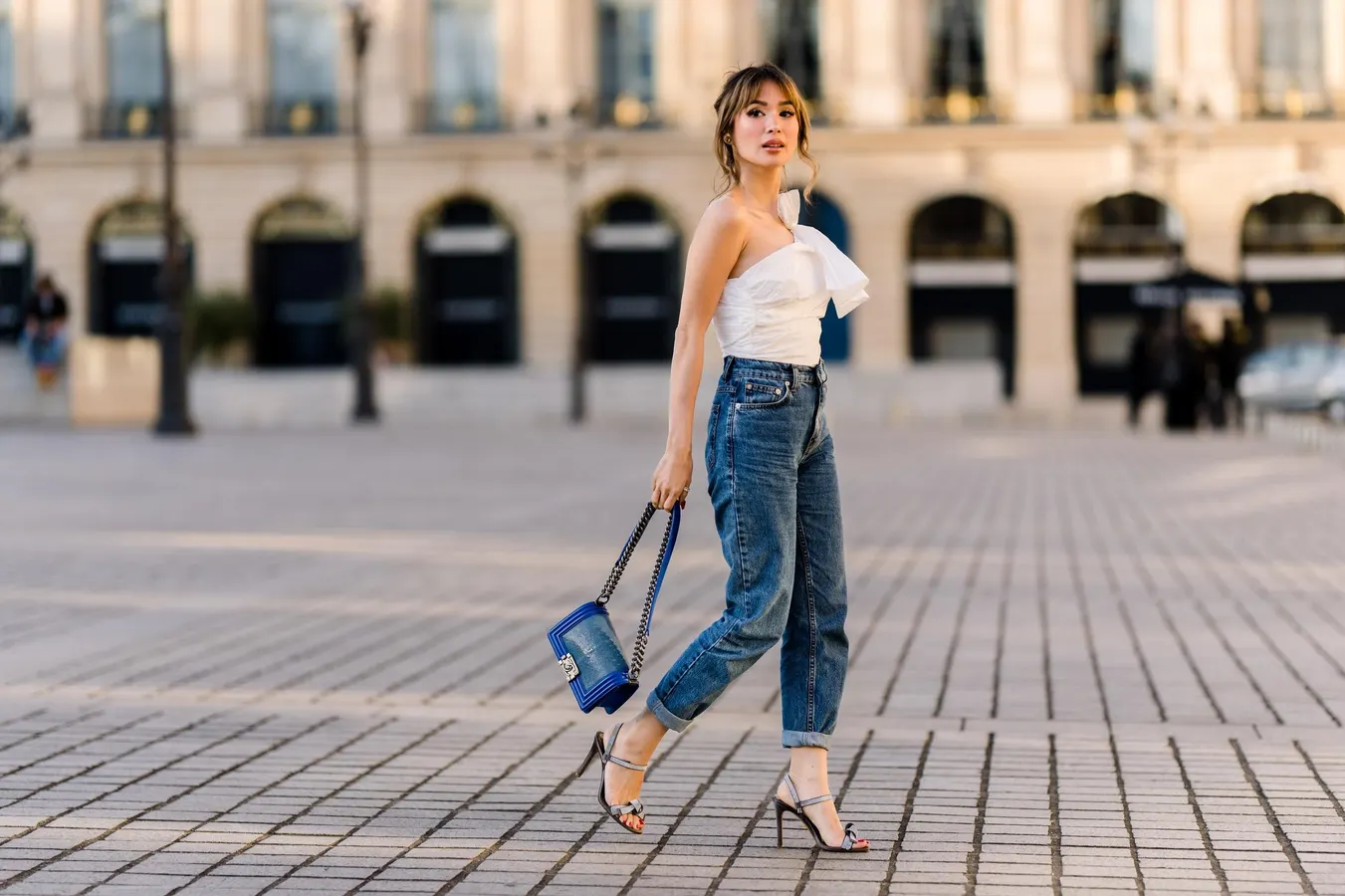
Fashion doesn’t always start on a runway. Some of the most interesting style ideas appear on city streets, where people mix clothing based on their personality, lifestyle, culture, and mood. That’s the appeal of street style fashion.
From oversized jackets and relaxed denim to sneakers, vintage pieces, bold accessories, and carefully layered outfits, streetwear has become a major part of modern fashion culture. What makes it different is that there isn’t one strict formula. You can dress casually, add a vintage touch, experiment with proportions, or combine high-end pieces with affordable basics.
This guide explains what street style fashion means, where it comes from, the trends shaping it, and practical ways to create stylish outfits without making them feel forced.
What Is Street Style Fashion?
Street style fashion refers to clothing and styling inspired by everyday people rather than being created exclusively for fashion runways or formal occasions. It often reflects urban fashion, streetwear culture, youth culture, music, sports, and individual expression.
The style can be minimalist or bold. One person might wear straight-leg jeans, a plain T-shirt, and clean sneakers, while another might combine cargo pants, a graphic sweatshirt, a leather jacket, and statement accessories.
The main idea is simple: street style is about making everyday clothing feel personal.
It also changes quickly. Social media, music, celebrities, designers, fashion weeks, and local cultures can all influence what people wear on the streets.
For example, fashion-week attendees often demonstrate how runway ideas can be adapted into practical everyday outfits. You can explore more inspiration through this guide to London Fashion Week.
How Street Style Became Popular
Street style has roots in several cultural movements. Skateboarding, hip-hop, punk, sportswear, workwear, and youth subcultures all contributed to the way people dress today.
During the late 20th century, casual clothing became increasingly influential. Sneakers moved beyond athletic settings, denim became a wardrobe staple, and graphic T-shirts became a form of self-expression.
The growth of streetwear brands and fashion photography pushed the trend even further. Photographers began documenting stylish people outside fashion shows, turning ordinary city outfits into sources of inspiration.
Today, street style is closely connected with social media. A single outfit can influence thousands of people, while trends can move between cities and countries within days.
Key Elements of Street Style
Although street style has no fixed uniform, several elements appear frequently.
1. Comfortable Basics
Good street outfits often begin with simple wardrobe staples:
- T-shirts
- Straight-leg or relaxed jeans
- Hoodies
- Sneakers
- Overshirts
- Bomber jackets
- Cargo pants
These pieces provide a practical foundation that you can build on.
2. Layering
Layering adds depth without requiring complicated clothing.
Try wearing a T-shirt underneath an open shirt, then adding a lightweight jacket. During colder months, a hoodie under a structured coat can create a balanced look.
3. Sneakers
Sneakers remain one of the most recognizable parts of modern streetwear. Classic low-top designs, retro trainers, basketball-inspired shoes, and chunky silhouettes can all work.
The key is choosing footwear that fits the overall proportions of the outfit.
4. Accessories
Small details can completely change an outfit.
Popular options include:
- Crossbody bags
- Baseball caps
- Sunglasses
- Watches
- Beanies
- Belts
- Simple jewelry
You don’t need several accessories at once. One or two well-chosen pieces can be enough.
Popular Street Style Fashion Trends
Street fashion constantly evolves, but some trends have remained particularly influential.
| Trend | What It Looks Like | Styling Idea |
| Oversized Clothing | Relaxed shirts, jackets, or hoodies | Balance with straight or fitted bottoms |
| Baggy Denim | Loose jeans with a relaxed silhouette | Add a fitted top for contrast |
| Cargo Pants | Utility-inspired trousers | Pair with a simple tee and sneakers |
| Retro Sneakers | Vintage-inspired footwear | Wear with denim or casual trousers |
| Layered Outfits | Multiple pieces worn together | Mix different lengths and textures |
| Statement Accessories | Noticeable bags, hats, or jewelry | Keep the rest of the outfit simple |
| Vintage Clothing | Older or vintage-inspired pieces | Combine with modern basics |
| Minimal Streetwear | Neutral colors and clean shapes | Focus on fit and quality |
Oversized Silhouettes
Oversized clothing continues to influence urban style because it offers comfort while creating a strong visual shape.
An oversized sweatshirt can work with relaxed jeans, while a large jacket can be balanced with a cleaner pair of trousers.
The important thing is proportion. Wearing every item extremely oversized can make an outfit look shapeless.
Utility and Cargo Styles
Cargo trousers bring a practical feel to street outfits. Their multiple pockets and relaxed cuts make them useful while also adding visual interest.
For a simple combination, try cargo pants with a plain T-shirt, lightweight jacket, and low-profile sneakers.
Vintage Influence
Vintage fashion gives street style personality. Old-school denim, retro sportswear, leather jackets, graphic tees, and classic sneakers can add character to an otherwise modern outfit.
The goal isn’t to make every piece look old. Combining one vintage-inspired item with contemporary basics usually creates a more natural result.
How to Create a Street Style Outfit
You don’t need an expensive wardrobe to create a strong streetwear look.
Follow these steps:
Step 1: Start With One Main Piece
Choose something that defines the outfit. It could be a jacket, pair of trousers, sneakers, or graphic T-shirt.
Step 2: Build Around It
Add simple pieces that support your main item rather than competing with it.
For example:
Graphic T-shirt + relaxed jeans + sneakers + lightweight jacket
This creates a casual outfit without requiring too many elements.
Step 3: Pay Attention to Fit
Fit is often more important than brand names.
Ask yourself:
- Are the trousers sitting correctly?
- Do the sleeves look intentional?
- Are the shoes suitable for the trouser shape?
- Is the outfit balanced from top to bottom?
Step 4: Add One Personal Detail
This could be a vintage bag, favorite cap, unique sneakers, or piece of jewelry.
That small detail can make the outfit feel like your style rather than a copied trend.
Street Style for Different Seasons
Spring
Spring is ideal for lightweight layering. Try relaxed trousers, a basic T-shirt, an overshirt, and sneakers.
Neutral shades work well, but spring is also a good time to introduce softer colors.
Summer
Keep things breathable with cotton T-shirts, relaxed shorts, lightweight trousers, and simple sneakers.
Accessories such as sunglasses and caps can add personality without making the outfit uncomfortable.
Autumn
Autumn offers more opportunities for layering. Combine denim, hoodies, overshirts, bomber jackets, and boots or sneakers.
Mixing textures such as denim, cotton, leather, and knitwear can make a simple outfit more interesting.
Winter
Winter street style often focuses on outerwear. Long coats, puffer jackets, wool layers, scarves, and sturdy footwear can create a strong silhouette while keeping you warm.
Common Styling Mistakes to Avoid
Street style is flexible, but a few mistakes can make an outfit look less polished.
Wearing too many trends at once:
Choose one or two noticeable trends instead of turning every item into a statement.
Ignoring proportions:
Oversized clothing works best when the overall silhouette looks intentional.
Copying someone else’s outfit exactly:
Use other people’s looks for inspiration, then adapt them to your own wardrobe.
Choosing style over comfort:
If you can’t move comfortably, the outfit probably isn’t working for everyday wear.
Overusing logos:
Streetwear doesn’t require visible branding. Strong styling can come from color, fit, texture, and layering.
How to Make Street Style Your Own
The best street style doesn’t look like a uniform. It reflects the person wearing it.
Start by identifying what you naturally like. Maybe you prefer clean minimal outfits, vintage clothing, athletic pieces, bold colors, or oversized silhouettes.
You can also experiment with influences from different fashion communities. For instance, the playful and bold aesthetic often associated with online fashion culture can provide ideas for accessories, color combinations, and statement pieces. For another fashion-focused reference, see this BaddieHub fashion guide.
Once you understand the basics, experiment rather than following every new trend.
A useful rule is 70% familiar, 30% experimental. Keep most of your outfit within your comfort zone and use the remaining pieces to try something new.
Key Takeaways
- Street style fashion focuses on personal expression and everyday clothing.
- Sneakers, denim, layering, jackets, hoodies, and accessories are common foundations.
- Good proportions can make a simple outfit look intentional.
- You don’t need expensive designer pieces to create a fashionable street look.
- Vintage, utility, sportswear, and minimalist influences can all work within street style.
- The strongest outfits adapt trends instead of copying them exactly.
- Comfort and personal identity should remain central to everyday styling.
FAQs
What is street style fashion?
Street style fashion is a form of everyday dressing influenced by urban culture, personal taste, music, sports, youth culture, and current trends. It focuses heavily on individuality and practical styling.
What clothes are best for street style?
Common choices include relaxed jeans, cargo pants, T-shirts, hoodies, bomber jackets, overshirts, sneakers, and casual accessories. The best pieces depend on your preferred aesthetic and climate.
Is street style the same as streetwear?
They overlap but aren’t exactly the same. Streetwear generally refers to a fashion category influenced by casual and youth culture, while street style describes how people combine clothing and accessories in real-world settings.
How can I start wearing street style?
Begin with simple wardrobe staples such as jeans, a T-shirt, sneakers, and a casual jacket. Experiment with proportions, layering, and accessories as you become more comfortable.
Does street style have to be oversized?
No. Oversized clothing is popular, but street style can also include fitted, tailored, relaxed, or mixed proportions. The important thing is creating a balanced look.
Can street style be affordable?
Absolutely. You can create a stylish outfit using basic clothing from different price ranges. Focus on fit, coordination, condition, and how you combine the pieces rather than relying on expensive brands.
Conclusion
Street style fashion continues to evolve because it isn’t controlled by a single designer, season, or dress code. It gives people room to experiment with clothing while staying comfortable and expressing their personality.
Whether you prefer minimalist outfits, vintage pieces, sporty looks, oversized silhouettes, or bold accessories, there is room to develop your own interpretation. Start with reliable basics, pay attention to proportions, add thoughtful details, and don’t be afraid to experiment.
The best street style isn’t necessarily the loudest outfit. It’s the one that looks natural, feels comfortable, and clearly belongs to the person wearing it.
