
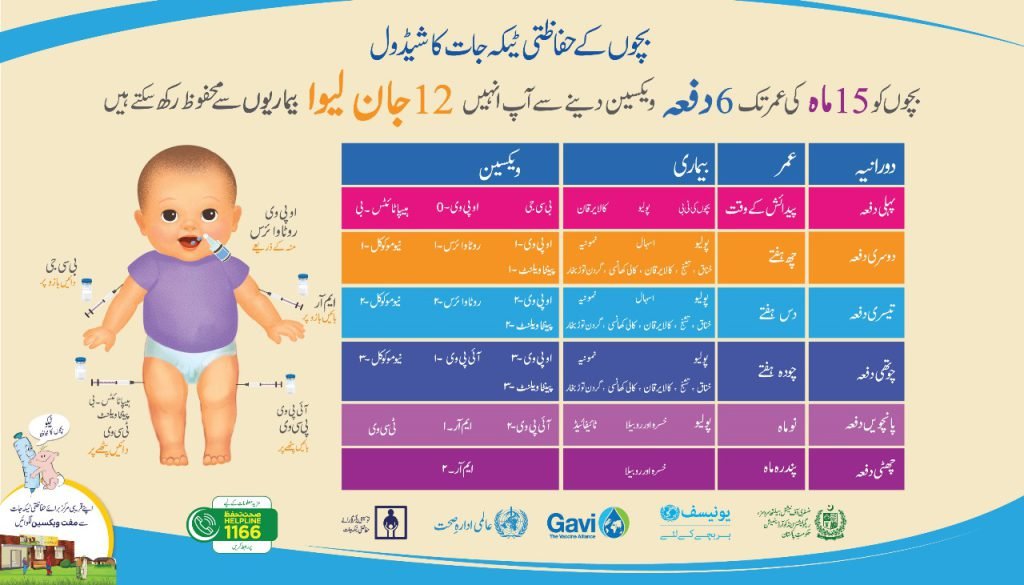
Public health vaccination schedules are organized recommendations that help people receive vaccines at the appropriate ages and intervals. They are designed to provide protection before people are most likely to encounter certain infections and to maintain protection when additional doses or boosters are needed.
A vaccination schedule is not necessarily identical everywhere. Health authorities develop recommendations based on factors such as disease patterns, vaccine availability, scientific evidence, age, and population needs.
For this reason, someone should use the vaccination schedule issued by the relevant public health authority in their country rather than relying on a generic international calendar.
Vaccination schedules can include:
- Routine childhood vaccines
- Adolescent vaccinations
- Adult vaccines
- Booster doses
- Catch-up vaccinations
- Vaccines recommended during pregnancy
- Vaccines for people with certain health or occupational risks
- Travel-related vaccinations
Why Vaccination Schedules Matter
The timing of vaccination is an important part of public health protection. Vaccines are scheduled according to how the immune system responds to them and when protection is most useful.
For children, some vaccines are given in a series of doses because multiple doses may be needed to establish or maintain protection. Other vaccines may be recommended later in life because immunity can change over time or because the risk of particular diseases increases at certain ages.
Following an appropriate schedule can also help reduce the spread of vaccine-preventable diseases within communities. High vaccination coverage can provide additional protection to people who cannot receive certain vaccines or who may not respond adequately to vaccination.
How Vaccination Schedules Are Determined
Public health agencies continually review evidence when developing or updating vaccination recommendations.
Several factors can influence a schedule.
Age
Some vaccines are routinely recommended during infancy or childhood, while others are primarily recommended during adolescence or adulthood.
Age-based recommendations help ensure that vaccination occurs during periods when protection is particularly important.
Previous Vaccination History
A person’s previous doses can affect what is recommended next. Someone who has already received certain vaccines may not need to restart a series simply because a dose was delayed.
Healthcare professionals can review an immunization record and determine which doses are still needed.
Health Conditions
Certain medical conditions can change which vaccines are recommended or when they should be administered. People with specific immune-system conditions, for example, may have different vaccination considerations.
Pregnancy
Pregnancy can affect vaccination recommendations. Some vaccines are routinely recommended during pregnancy, while others may be avoided during pregnancy and considered before or after pregnancy depending on the vaccine and individual circumstances.
Travel and Occupation
Travelers may need additional vaccines depending on their destination and exposure risks. Healthcare workers and people in certain occupations may also have vaccination recommendations that differ from the general population.
Vaccines Commonly Included in Public Health Programs
The exact vaccines included in a public health program depend on the country and its current recommendations.
Routine programs may protect against diseases such as:
- Measles
- Mumps
- Rubella
- Polio
- Pertussis
- Tetanus
- Diphtheria
- Hepatitis B
- Haemophilus influenzae type b
- Pneumococcal disease
- Human papillomavirus (HPV)
- Influenza
Some vaccines are administered as combination vaccines, meaning one vaccine can provide protection against more than one disease.
Because recommendations can change, the current national schedule should always be checked before making vaccination decisions.
Vaccination Schedules for Different Age Groups
Infants and Young Children
Early childhood is an important period for routine immunization. Many public health programs begin vaccination during infancy and continue through the early years of childhood.
Some vaccines require several doses at specified intervals. The exact timing depends on the national schedule and the vaccine being used.
Parents and caregivers should maintain an accurate vaccination record and bring it to medical appointments.
School-Age Children
School-age children may receive additional routine vaccines or doses that complete earlier vaccination series.
Schools and public health programs may also use vaccination records to identify children who are missing recommended doses.
Adolescents
Adolescence is an important stage for several routine vaccinations. Depending on the country, recommendations may include vaccines such as HPV and booster doses for protection against certain diseases.
The appropriate timing depends on the national immunization program and the individual’s previous vaccination history.
Adults
Vaccination does not stop after childhood. Adults may need routine vaccines, booster doses, seasonal vaccines, or vaccines related to their age, occupation, health conditions, or travel.
Adults who are unsure about their vaccination history can discuss their records with a healthcare professional.
Older Adults
Some vaccines become particularly relevant later in life because the risk of complications from certain infections can increase with age.
Public health recommendations for older adults vary between countries and can also depend on individual health circumstances.
Catch-Up Vaccination and Missed Doses
Missing a scheduled vaccine dose does not automatically mean that the entire vaccination series needs to be started again.
Catch-up schedules are designed to help people who are behind on recommended vaccinations. A healthcare professional can review previous doses and determine the appropriate next steps.
This is particularly useful for people who:
- Moved between countries
- Lost their vaccination records
- Missed appointments
- Were vaccinated under an older schedule
- Did not complete a vaccine series
- Are unsure which vaccines they previously received
Because catch-up recommendations depend on age, vaccine history, and other circumstances, individual guidance is preferable to trying to recreate a schedule independently.
Special Situations That Can Change a Schedule
Not everyone follows the standard vaccination calendar.
A different schedule may be recommended for people who have certain medical conditions, take medicines that affect the immune system, are pregnant, travel internationally, or have particular occupational exposures.
Travel vaccination requirements can also vary by destination. Some countries may have entry requirements for particular vaccines, while others may simply have recommendations based on disease risks.
Anyone planning international travel should check current advice well before departure.
How to Keep Track of Vaccinations
Keeping reliable vaccination records makes it much easier to follow a public health vaccination schedule.
Useful records may include:
- Vaccine name
- Date administered
- Dose number
- Healthcare provider or clinic
- Relevant medical notes
- Documentation of previous vaccinations
Many healthcare systems also provide digital immunization records or electronic health records.
If records are incomplete, a healthcare professional can explain available options based on the person’s circumstances.
Frequently Asked Questions
What is a public health vaccination schedule?
It is a recommended timetable that identifies when specific vaccines and doses should generally be given to different groups of people.
Are vaccination schedules the same in every country?
No. National schedules can differ because countries have different disease patterns, public health priorities, vaccine programs, and recommendations.
What happens if I miss a vaccine dose?
A missed dose may often be addressed through a catch-up schedule. The appropriate approach depends on the vaccine, previous doses, age, and other factors.
Do adults need vaccinations too?
Yes. Some vaccines are routinely recommended for adults, while others may be recommended according to age, health conditions, occupation, travel, pregnancy, or previous vaccination history.
Can vaccination schedules change?
Yes. Public health recommendations can be updated as new evidence becomes available, vaccines change, or disease risks evolve.
Where can I find the correct vaccination schedule?
The most reliable source is the current schedule published by your country’s public health authority or guidance from a qualified healthcare professional.
Are travel vaccines part of routine vaccination schedules?
Not necessarily. Travel vaccines are generally considered separately based on the destination, activities, length of travel, and individual circumstances.
Should I restart a vaccine series if I am late?
Not always. Many delayed vaccinations can be continued using an appropriate catch-up schedule rather than restarting from the beginning. A healthcare professional can determine the correct approach.
Conclusion
Public health vaccination schedules provide a structured way to protect individuals and communities from vaccine-preventable diseases. They cover different stages of life and may also account for factors such as previous vaccination, pregnancy, health conditions, occupation, and international travel.
Because recommendations can vary by country and change over time, the most appropriate schedule is the current guidance from the relevant public health authority. Keeping vaccination records up to date and discussing missed or uncertain doses with a healthcare professional can help ensure that recommended protection is maintained
Read More About: Home Health Care
