
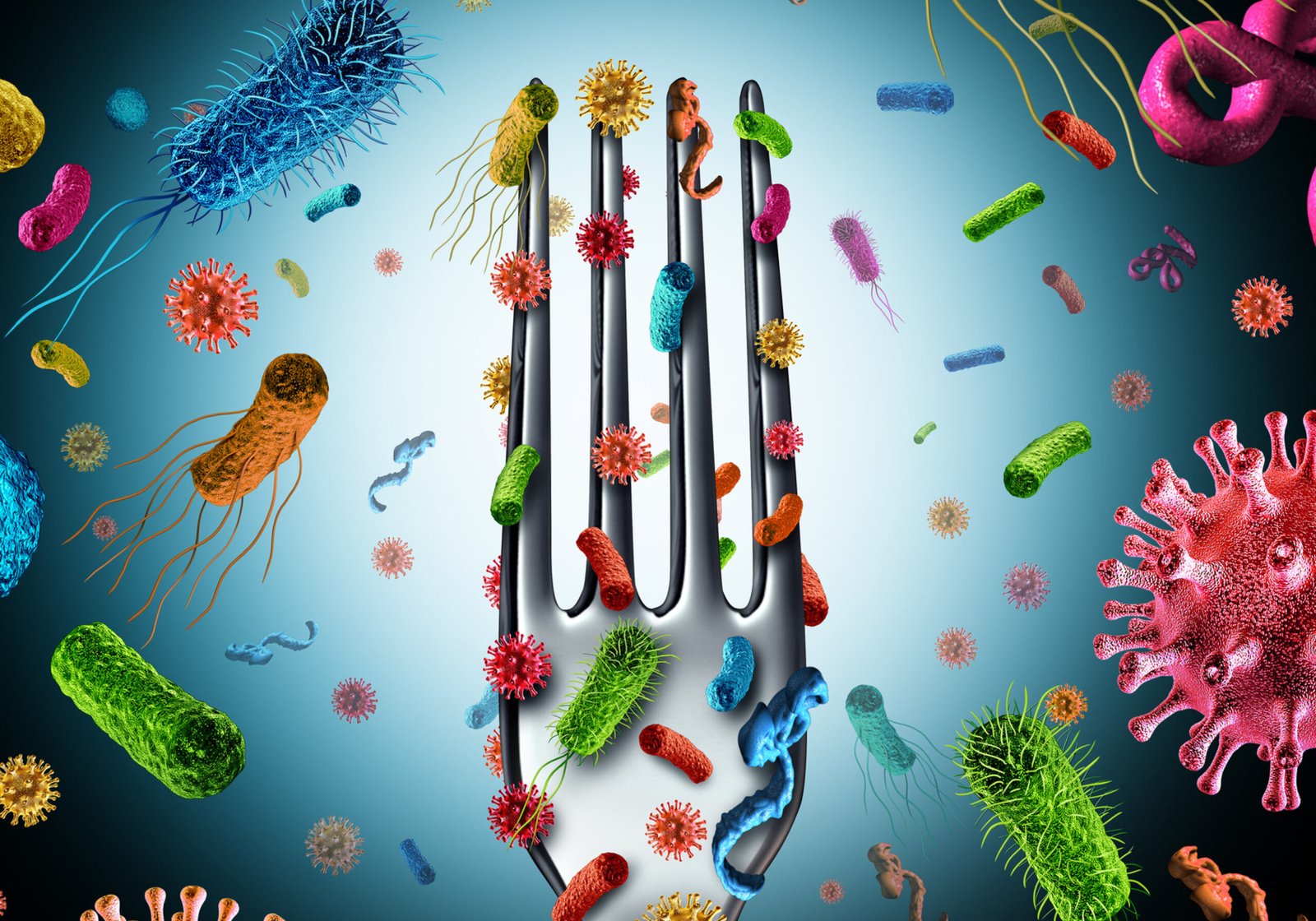
Food is an essential part of everyday life, but contaminated food can become a source of infection and illness. Foodborne illness and diseases can occur when food or drinks contain harmful bacteria, viruses, parasites, chemicals, or toxins. Contamination may happen during farming, processing, transportation, preparation, storage, or serving.
The World Health Organization (WHO) reports that more than 200 diseases can be caused by contaminated food, ranging from diarrheal illnesses to certain cancers.
Understanding the causes, symptoms, common types, treatment options, and prevention methods can help people make safer food choices and recognize when medical care may be necessar.
What Are Foodborne Illness and Diseases?
Foodborne illness is a general term for an illness caused by consuming contaminated food or drinks. It is commonly associated with what people call food poisoning, although foodborne diseases can involve a much wider range of infections and health effects.
According to WHO, contaminated food can contain:
- Bacteria
- Viruses
- Parasites
- Chemicals
- Toxins
- Heavy metals
Food contamination can happen at almost any point in the food chain, from production and processing to transportation, preparation, and consumption.
Some illnesses cause short-term digestive symptoms, while others can lead to serious complications affecting different parts of the body.
What Causes Foodborne Diseases?
Foodborne diseases have many possible causes. Microorganisms are among the most common sources, but contaminated food can also contain harmful chemical substances.
Bacterial Contamination
Bacteria can multiply in food when it is improperly handled, cooked, or stored.
Examples include:
- Salmonella
- E. coli
- Campylobacter
- Listeria monocytogenes
- Clostridium botulinum
Certain strains of E. coli, such as Shiga toxin-producing E. coli (STEC), can cause severe illness and may lead to complications such as hemolytic uremic syndrome (HUS).
Viral Contamination
Viruses can spread through contaminated food, water, infected food handlers, or contaminated surfaces.
Common examples include:
- Norovirus
- Hepatitis A virus
- Rotavirus
Parasites
Parasites can enter the food supply through contaminated water, soil, raw produce, or undercooked foods.
Examples include:
- Giardia
- Cryptosporidium
- Toxoplasma gondii
- Certain tapeworms
Chemicals and Toxins
Foodborne illness is not always caused by an infectious organism. Chemical contamination, naturally occurring toxins, and heavy metals can also cause disease. WHO recognizes chemical substances such as heavy metals among the hazards associated with foodborne diseases.
Common Types of Foodborne Diseases
Different pathogens cause different illnesses. Some of the commonly recognized foodborne diseases include:
| Disease or Infection | Common Cause | Possible Symptoms |
| Salmonellosis | Salmonella bacteria | Diarrhea, fever, abdominal cramps |
| E. coli infection | Certain E. coli strains | Diarrhea, stomach cramps, sometimes bloody diarrhea |
| Listeriosis | Listeria monocytogenes | Fever, muscle aches, gastrointestinal symptoms |
| Norovirus infection | Norovirus | Vomiting, diarrhea, nausea |
| Hepatitis A | Hepatitis A virus | Fatigue, nausea, abdominal discomfort, jaundice |
| Campylobacter infection | Campylobacter bacteria | Diarrhea, fever, abdominal pain |
| Botulism | Botulinum toxin | Weakness, difficulty swallowing, neurological symptoms |
The severity varies according to the specific pathogen, amount of exposure, and characteristics of the affected person.
Symptoms of Foodborne Illness
Symptoms can develop within hours or may take several days or longer, depending on the cause.
Common symptoms include:
- Diarrhea
- Nausea
- Vomiting
- Stomach or abdominal cramps
- Fever
- Weakness
- Headache
- Loss of appetite
Some foodborne diseases can cause symptoms beyond the digestive system. WHO notes that foodborne diseases may also produce neurological, gynecological, and immunological effects.
Signs of Dehydration
Repeated vomiting or diarrhea can cause fluid and electrolyte loss. Warning signs can include:
- Excessive thirst
- Dry mouth
- Reduced urination
- Dizziness
- Unusual weakness
Replacing lost fluids is an important part of recovery from many gastrointestinal illnesses.
How Foodborne Diseases Spread
Food can become contaminated through several routes.
Cross-Contamination
Cross-contamination happens when harmful microorganisms move from one food or surface to another.
For example, using the same cutting board for raw chicken and ready-to-eat vegetables without proper cleaning can transfer bacteria.
Undercooking
Raw or undercooked meat, poultry, seafood, and eggs can contain harmful microorganisms. Thorough cooking helps destroy many pathogens.
Unsafe Water
Contaminated water can introduce microorganisms or chemicals into food and drinks.
Improper Storage
Microorganisms can multiply rapidly when perishable food is kept at unsuitable temperatures. WHO recommends keeping refrigerated food below 5°C and cooked food hot above 60°C when appropriate.
Who Is at Higher Risk?
Foodborne illness can affect anyone, but some people have a higher risk of severe disease or complications.
These groups include:
- Young children
- Older adults
- Pregnant women
- People with weakened immune systems
- People with certain chronic medical conditions
WHO specifically identifies children under five as disproportionately affected by foodborne diseases.
People in higher-risk groups should take particular care with raw, undercooked, unpasteurized, or otherwise potentially contaminated foods.
Treatment and Recovery
Treatment depends on the specific cause and severity of the illness. Many uncomplicated foodborne infections improve with supportive care, including adequate fluid intake.
Depending on the condition, a healthcare professional may recommend:
- Drinking fluids to help prevent dehydration.
- Replacing electrolytes when significant fluid loss occurs.
- Eating easily tolerated foods as appetite returns.
- Getting medical evaluation when symptoms are severe or persistent.
- Using prescription treatment only when medically appropriate.
Antibiotics are not appropriate for every foodborne illness. Some infections are viral, while certain bacterial infections may not require antibiotics. Treatment should therefore be based on the suspected or confirmed cause and professional medical advice.
How to Prevent Foodborne Illness
Food safety begins with simple habits. WHO’s Five Keys to Safer Food provide a practical framework for reducing foodborne disease risk.
1. Keep Clean
Wash your hands before preparing or eating food and after using the bathroom. Clean kitchen surfaces, utensils, and equipment regularly.
2. Separate Raw and Cooked Foods
Keep raw meat, poultry, seafood, and eggs away from cooked and ready-to-eat foods.
Use separate cutting boards or utensils when practical, and store raw foods so their juices cannot contaminate other foods.
3. Cook Food Thoroughly
Cook meat, poultry, seafood, eggs, and other foods appropriately. WHO recommends thorough cooking and notes 70°C as a useful general food-safety target in its Five Keys guidance.
4. Keep Food at Safe Temperatures
Refrigerate perishable foods promptly and avoid leaving cooked food at room temperature for extended periods.
Temperature control is especially important for foods that support rapid microbial growth.
5. Use Safe Water and Raw Materials
Use safe drinking water and choose fresh, wholesome ingredients. Wash fruits and vegetables carefully, particularly when they will be eaten raw.
WHO also recommends selecting foods processed for safety, such as pasteurized milk, where appropriate.
When to Seek Medical Care
Most mild gastrointestinal illnesses can improve with supportive care, but some situations require professional medical attention.
Seek medical advice if you experience:
- Severe or persistent vomiting or diarrhea
- Signs of significant dehydration
- Blood in the stool
- Severe abdominal pain
- High or persistent fever
- Confusion, weakness, or other unusual neurological symptoms
- Symptoms that are worsening rather than improving
Extra caution is appropriate for young children, older adults, pregnant people, and individuals with weakened immune systems.
FAQs
1. What are foodborne illness and diseases?
Foodborne illness and diseases are health conditions caused by eating or drinking contaminated food or beverages. They may result from bacteria, viruses, parasites, chemicals, toxins, or other hazards.
2. What are the most common symptoms of foodborne illness?
Common symptoms include diarrhea, vomiting, nausea, abdominal cramps, fever, weakness, and loss of appetite. Symptoms vary depending on the specific cause.
3. What are examples of foodborne diseases?
Examples include salmonellosis, E. coli infection, listeriosis, norovirus infection, hepatitis A, and campylobacteriosis.
4. How can foodborne diseases be prevented?
Follow basic food-safety practices: wash your hands and kitchen surfaces, separate raw and cooked foods, cook foods thoroughly, keep food at safe temperatures, and use safe water and ingredients. These principles form the WHO Five Keys to Safer Food.
5. How does food become contaminated?
Contamination can occur during farming, processing, transportation, storage, preparation, or serving. Poor hygiene, contaminated water, cross-contamination, inadequate cooking, and improper storage are common pathways.
6. Can foodborne illness be serious?
Yes. While many cases are mild, some foodborne diseases can cause severe complications or death, particularly among vulnerable populations. Certain pathogens can also cause complications outside the digestive system.
7. When should I see a doctor for food poisoning?
Seek medical care for severe or persistent symptoms, significant dehydration, bloody diarrhea, severe abdominal pain, high or persistent fever, neurological symptoms, or worsening illness. People at higher risk of complications should seek medical advice sooner when concerned.
Conclusion
Foodborne illness and diseases remain an important public health concern, but many foodborne infections can be prevented through practical food-safety habits. Contamination can happen at different stages of the food chain, making hygiene, proper cooking, safe storage, and clean water important from production through consumption.
Following the WHO Five Keys to Safer Food—keep clean, separate raw and cooked, cook thoroughly, keep food at safe temperatures, and use safe water and raw materials—provides a simple foundation for safer food preparation.
Learn About: CBC
