
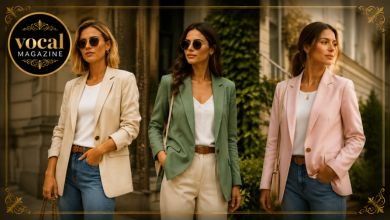
A blazer is one of those wardrobe pieces that can instantly make an outfit look more polished. It works with formal trousers, casual jeans, dresses, skirts, and even simple everyday outfits. In Dutch fashion language, you may come across the word blazertje, which has a slightly softer and more casual meaning.
The word is useful to understand if you are shopping on Dutch-language fashion websites, reading clothing descriptions, or searching for outfit inspiration from the Netherlands and Belgium.
But what exactly does blazertje mean? Is it a particular type of blazer, or simply another way to describe one?
This guide explains the meaning of blazertje, how it differs from a traditional blazer, the most common styles, what to wear with it, and how to choose the right one for different occasions.
What Does Blazertje Mean?
Blazertje is a Dutch diminutive of “blazer” and generally means “little blazer” or “small blazer.”
In Dutch, diminutive forms are often created to give a word a smaller, softer, or more informal sense. The ending “-tje” is commonly used for diminutives.
So:
- Blazer = blazer
- Blazertje = little blazer / blazer jacket in a smaller or more informal sense
The word does not necessarily mean that the garment is physically very small. In fashion descriptions, it can simply sound more casual, friendly, or less formal.
For example, a Dutch clothing description might refer to a lightweight blazer as a blazertje because it feels less structured than a traditional business blazer.
Is Blazertje a Type of Blazer?
Not necessarily.
Blazertje is primarily a linguistic form rather than a strict technical category of clothing. It does not describe one standardized cut, fabric, color, or construction method.
A blazertje could be:
- Fitted or oversized
- Short or long
- Structured or relaxed
- Plain or patterned
- Lightweight or moderately heavy
- Formal-looking or casual
The specific characteristics depend on the garment being described.
This distinction is important when searching for clothing online. A search for blazertje may return many different styles because the word does not identify one particular design.
Blazertje vs. Blazer
Although both words refer to the same general type of garment, there can be a difference in tone and usage.
| Feature | Blazer | Blazertje |
| Language | Common English and Dutch fashion term | Dutch |
| Meaning | Blazer jacket | Little/casual blazer |
| Formality | Can be formal or casual | Often suggests a softer or more casual feel |
| Style | Wide range | Wide range |
| Fixed design? | No | No |
| Common use | Workwear, smart casual, formal outfits | Everyday and smart-casual styling |
A blazer is traditionally a tailored jacket with a distinct structure, but modern fashion includes many relaxed interpretations.
A blazertje may therefore be an approachable way of referring to a blazer that is easy to wear in everyday situations.
Popular Types of Blazertjes
Since blazertje is not a strict garment category, different blazer designs can fall under this description.
1. Fitted Blazertje
A fitted blazer follows the shape of the body and can create a polished silhouette.
It works particularly well with:
- Straight-leg trousers
- Pencil skirts
- Dresses
- Slim jeans
- Office outfits
Neutral colors such as black, navy, beige, and grey make fitted blazers easy to combine.
2. Oversized Blazertje
Oversized blazers have a looser silhouette and are popular for modern casual styling.
Try pairing one with:
- Straight-leg jeans
- A simple T-shirt
- Sneakers
- Wide-leg trousers
- Minimal accessories
The key is balance. If the jacket is very oversized, a more streamlined base layer can keep the outfit from looking too bulky.
3. Cropped Blazertje
A cropped blazer ends higher on the body than a traditional blazer.
It can work well with:
- High-waisted trousers
- High-rise jeans
- Midi skirts
- Dresses
The shorter length can create a visually defined waist and a modern appearance.
4. Linen Blazertje
Linen and linen-blend blazers are especially useful during warmer weather.
They tend to have a relaxed appearance and work well for:
- Summer outfits
- Travel
- Casual events
- Outdoor gatherings
- Smart-casual occasions
Natural wrinkling is part of linen’s character, so this style does not need to look perfectly pressed.
5. Double-Breasted Blazertje
Double-breasted designs feature overlapping front panels and two rows of buttons.
They generally create a more structured appearance and can be styled with simple pieces underneath to keep the outfit balanced.
How to Style a Blazertje
One of the biggest advantages of a blazer is versatility.
Blazertje With Jeans
For an effortless everyday outfit, combine a blazer with jeans and a simple top.
For example:
Blazertje + white T-shirt + straight-leg jeans + sneakers
This combination creates a clean smart-casual look without feeling overdressed.
Blazertje With Trousers
For a more polished outfit, coordinate the jacket with tailored trousers.
You can create a matching suit-like appearance or deliberately combine different colors and textures.
For example:
Beige blazer + white top + dark trousers + loafers
Blazertje With a Dress
A blazer can add structure to a soft or flowing dress.
This works particularly well when you need an outfit that can transition between different settings.
Blazertje With a Skirt
Pairing a blazer with a skirt can create anything from a professional outfit to a modern casual look.
The final effect depends on the skirt length, fabric, shoes, and accessories.
Choosing the Right Blazertje
When shopping for a blazertje, look beyond the color.
Consider the Fit
The shoulder area should sit naturally without pulling or collapsing. The jacket should also allow enough room for comfortable movement.
Choose the Right Fabric
Different materials work better for different seasons.
| Fabric | Best For |
| Linen | Warm weather |
| Cotton | Casual everyday wear |
| Wool | Cooler weather |
| Wool blend | Versatile tailoring |
| Polyester blend | Easy-care options |
| Velvet | Evening and statement outfits |
Think About Your Existing Wardrobe
A versatile blazer should work with clothes you already own.
If your wardrobe contains many neutral pieces, a patterned or colored blazer can add interest. If your clothes are already colorful, a neutral blazer may be easier to style.
Blazertjes for Different Occasions
Work
For professional environments, choose a structured blazer in a neutral or subdued color.
Pair it with tailored trousers, a blouse, or a simple dress.
Casual Outings
For weekends, coffee dates, shopping, or casual lunches, a relaxed blazer with jeans and sneakers can work well.
Evening Events
A darker blazer, velvet style, or sophisticated tailored design can elevate an evening outfit.
Travel
A lightweight, wrinkle-resistant blazer can be useful when traveling because it can dress up simple clothing without requiring a complete outfit change.
Common Styling Mistakes
Choosing the Wrong Size
A blazer that is too tight can restrict movement, while one that is excessively large can overwhelm the outfit.
Ignoring Sleeve Length
Sleeves should generally sit comfortably around the wrist area. Extremely long or short sleeves can make an otherwise well-fitting blazer look poorly proportioned.
Overloading the Outfit
If the blazer has a strong pattern, dramatic shoulders, or noticeable buttons, keep the rest of the outfit relatively simple.
Wearing the Wrong Fabric for the Weather
Heavy wool may be uncomfortable in hot weather, while a very lightweight linen blazer may not provide enough warmth during winter.
Care Tips
Proper care can help a blazer maintain its shape and appearance.
Always check the garment’s care label before washing or cleaning it.
General tips include:
- Hang the blazer on a suitable hanger.
- Avoid crushing it in an overcrowded wardrobe.
- Air it out after wearing.
- Treat stains according to the fabric’s care instructions.
- Use professional cleaning when the label recommends it.
- Store seasonal blazers in a clean, dry environment.
Structured jackets can lose their shape when stored incorrectly, so proper hanging is particularly important.
Key Takeaways
- Blazertje is a Dutch diminutive form of blazer.
- It can be translated as “little blazer” or understood as a more casual way to refer to a blazer.
- It is not a standardized technical clothing category.
- Blazertjes can be fitted, oversized, cropped, linen, double-breasted, or designed in many other styles.
- They can be worn with jeans, trousers, skirts, and dresses.
- Fit, fabric, season, and occasion should guide your choice.
- A versatile blazer can work across casual, professional, travel, and evening outfits.
FAQs
What does blazertje mean?
Blazertje is a Dutch diminutive form of blazer. It generally means “little blazer” and can also suggest a smaller, softer, or more casual blazer depending on context.
Is blazertje a Dutch word?
Yes. Blazertje is formed from the Dutch word blazer using the diminutive ending -tje.
Is a blazertje different from a blazer?
Not necessarily. Blazertje does not define a specific technical garment. It is mainly a diminutive linguistic form, although it may be used in fashion contexts for a more casual or lightweight blazer.
What can you wear with a blazertje?
A blazertje can be worn with jeans, trousers, skirts, dresses, T-shirts, blouses, and many other wardrobe staples.
Can a blazertje be worn casually?
Yes. A relaxed blazer paired with jeans, a basic top, and sneakers can create a simple smart-casual outfit.
What is the best blazer color for everyday wear?
Neutral colors such as black, navy, beige, grey, and cream are generally versatile because they work with many different outfits.
Can you wear a blazertje in summer?
Yes. Lightweight fabrics such as linen, cotton, or breathable blends are suitable for warmer weather.
Conclusion
A blazertje is essentially a Dutch diminutive form of the word blazer. Rather than identifying one specific cut or design, the term can describe a blazer in a softer, smaller, or more casual way depending on context.
Its versatility is what makes the blazer such a useful wardrobe piece. Whether you choose a fitted design for work, an oversized version for everyday wear, or a lightweight linen option for summer, the right blazer can bring structure and personality to an outfit.
When choosing one, focus on fit, fabric, comfort, and how easily it works with your existing clothes. With the right combination, a blazertje can become one of the most practical pieces in a modern wardrobe.
Learn About: Carbondale Fashion Show 2026 Monika Kiss Baez
