
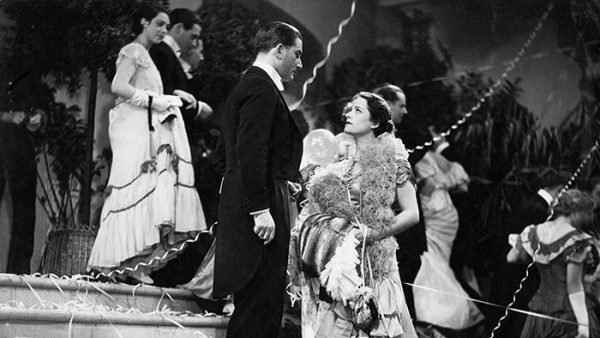
When people search for maskerade film, they may be looking for information about the classic Austrian movie Maskerade from 1934. Directed by Willi Forst, the film is closely associated with the elegant Viennese cinema of the 1930s and combines romance, comedy, social conventions, and a mistaken-identity storyline.
Set in Vienna at the beginning of the 20th century, Maskerade begins with a painting that unexpectedly becomes the center of public attention. What follows is a complicated chain of lies, relationships, and misunderstandings involving an artist, a married woman, and a young woman whose name is accidentally used to conceal the truth.
This guide explores the Maskerade film, including its story, cast, director, setting, themes, historical significance, and viewing options.
What Is the Maskerade Film?
Maskerade is a 1934 Austrian film directed by Willi Forst and written by Willi Forst and Walter Reisch. It was produced in German and is generally described as a romantic comedy or operetta film associated with the Viennese film tradition.
The story takes place in Vienna in 1905, giving viewers a picture of upper-class social life, artistic circles, formal relationships, and the strict social expectations of the period.
Basic Film Details
| Detail | Information |
|---|---|
| Film | Maskerade |
| Release year | 1934 |
| Country | Austria |
| Language | German |
| Director | Willi Forst |
| Writers | Willi Forst, Walter Reisch |
| Main stars | Paula Wessely, Adolf Wohlbrück, Olga Tschechowa |
| Setting | Vienna, around 1905 |
| Genre | Romantic comedy / operetta film |
| Original runtime | Around 90 minutes |
Sources differ slightly on the listed runtime, with major listings giving approximately 90–99 minutes.
Maskerade Film Plot
The story begins during Vienna’s carnival season. A painter named Ferdinand von Heideneck becomes involved with a provocative portrait of a woman who is shown wearing only a mask and a fur muff.
The painting eventually becomes public, creating an embarrassing situation because the identity of the model is unknown to the wider public. Heideneck wants to protect the woman and avoid revealing her identity.
Under pressure, he invents the name Leopoldine Dur for the mysterious model.
The problem is that Leopoldine Dur is not simply a fictional name.
A real young woman named Leopoldine Dur exists, and she becomes involved in the increasingly complicated situation. When Heideneck meets her, the invented identity begins to create consequences that he did not expect.
A Story Built Around a Mistaken Identity
The central plot works because one false name produces a chain of unexpected events.
The painting leads to:
- Public curiosity
- Social embarrassment
- A fabricated identity
- Romantic complications
- Jealousy
- Misunderstandings
- A new relationship between Heideneck and Leopoldine
This combination gives the film its comic and romantic character.
Main Cast and Characters
Paula Wessely as Leopoldine Dur
Paula Wessely plays Leopoldine Dur, the young woman whose real identity unexpectedly becomes connected with Heideneck’s fictional explanation.
The role was particularly notable because Maskerade was Wessely’s first film role.
Adolf Wohlbrück as Ferdinand von Heideneck
Adolf Wohlbrück plays the painter Ferdinand von Heideneck. The character’s attempt to protect his model by inventing a name drives much of the story.
Wohlbrück later became internationally known under the name Anton Walbrook.
Olga Tschechowa as Anita Keller
Olga Tschechowa portrays Anita Keller, who is engaged to Hofkapellmeister Paul Harrandt. Her connection to the other characters contributes to the film’s romantic tension.
Other Important Characters
The cast also includes:
- Hilde von Stolz as Gerda Harrandt
- Peter Petersen as Carl Ludwig Harrandt
- Walter Janssen as Paul Harrandt
- Hans Moser as Zacharias
These characters help establish the social and romantic relationships surrounding the central scandal.
Director Willi Forst
Willi Forst was an important figure in Austrian and German-language cinema. He directed Maskerade and also co-wrote the screenplay with Walter Reisch.
The film is strongly connected with the Wiener Film, or Viennese film tradition. The Deutsches Historisches Museum describes Maskerade as a particularly prominent example of this cinematic style, connecting its atmosphere with Vienna, nostalgic sentiment, humor, and Viennese romantic music.
Forst’s approach gives the movie a distinctive period atmosphere rather than presenting the story as a modern romantic comedy.
Setting and Historical Background
One of the most interesting elements of the Maskerade film is its setting.
The story takes place in Vienna around 1905, before the First World War. The social environment is important because reputation and public perception play major roles in the story.
A painting that might be treated differently in another social environment becomes a serious scandal because of the expectations surrounding respectable society.
The film therefore uses its historical setting as more than decoration. Vienna’s social culture becomes part of the conflict.
The Deutsches Historisches Museum describes the film as closely associated with Vienna and the broader Wiener Film tradition.
Themes in Maskerade
Identity and Appearance
The title itself relates to masks and hidden identities. The story repeatedly contrasts what people appear to be with what they actually are.
The painting hides the model’s face, while Heideneck hides the truth behind an invented name.
Reputation and Social Pressure
The characters are highly conscious of how others see them. A public scandal can affect relationships and social standing.
This makes reputation one of the major forces behind the characters’ decisions.
Love and Misunderstanding
Romantic relationships develop through incomplete information and mistaken assumptions. Heideneck’s invented story creates circumstances that eventually affect his own emotions.
Art and Society
The film also explores the relationship between artists and the society around them. A painting becomes more than an artistic object when the public begins speculating about its model.
Why Maskerade Is Important
Maskerade has an important place in the history of German-language cinema. It is frequently described as a classic of Austrian and German-language film, and its reputation is closely tied to the Viennese film tradition.
Its significance also comes from its performers. Paula Wessely’s appearance was her first film role, while Adolf Wohlbrück became an internationally recognized actor.
The film was also successful outside German-speaking territories. Historical accounts note that it was shown with subtitles in several European cities, while an English-language remake, Escapade, followed in 1935.
Maskerade Film Style
The movie combines several elements that help explain its lasting interest:
- Period romance
- Social comedy
- Viennese atmosphere
- Artistic themes
- Elegant costumes
- Mistaken identity
- Romantic misunderstandings
- Black-and-white cinematography
Rather than relying on fast modern storytelling, Maskerade develops its plot through social situations and character relationships.
Its period setting and visual presentation are especially relevant for viewers interested in classic European cinema.
Where to Watch Maskerade
Availability can vary depending on country and platform.
Current listings indicate that the 1934 Maskerade has been available through digital rental or purchase services, including Apple TV and Amazon Video in some markets.
For viewers searching for the movie online, it is useful to search using several identifiers:
- Maskerade (1934)
- Maskerade in Vienna
- Masquerade in Vienna
- Willi Forst
- Paula Wessely
- Adolf Wohlbrück
Using the year and director can help distinguish the classic film from other productions with similar names.
Key Takeaways
- Maskerade is an Austrian German-language film from 1934.
- It was directed by Willi Forst and co-written with Walter Reisch.
- The story is set in Vienna around 1905.
- The plot revolves around a controversial painting and a fabricated identity.
- Paula Wessely plays Leopoldine Dur in her first film role.
- Adolf Wohlbrück plays painter Ferdinand von Heideneck.
- The film combines romance, comedy, social drama, and mistaken identity.
- It is regarded as an important example of the Viennese film tradition.
FAQs
1. What is the Maskerade film about?
Maskerade is about a painter whose provocative portrait causes a scandal in Vienna. To protect the identity of the model, he invents the name Leopoldine Dur, but a real woman with that name exists, creating unexpected romantic and social complications.
2. When was Maskerade released?
The Austrian film Maskerade was released in 1934. The German premiere took place in Berlin in August 1934, followed by an Austrian premiere in Vienna in September.
3. Who directed Maskerade?
The film was directed by Willi Forst, who also co-wrote the screenplay with Walter Reisch.
4. Who stars in Maskerade?
The principal cast includes Paula Wessely, Adolf Wohlbrück, Olga Tschechowa, Hilde von Stolz, Peter Petersen, Walter Janssen, and Hans Moser.
5. What language is Maskerade in?
The original Maskerade is a German-language Austrian film.
6. Where is Maskerade set?
The story is set in Vienna in 1905, during the city’s carnival season and within its fashionable social circles.
7. Is Maskerade a comedy or romance?
It combines both. Modern listings commonly classify it as a romantic comedy, while historical sources also describe it as an operetta film and an example of the Wiener Film tradition.
Conclusion
The Maskerade film is a notable piece of 1930s Austrian cinema that combines romance, comedy, artistic intrigue, and mistaken identity. Its Vienna setting, period atmosphere, and memorable central plot make it particularly interesting for viewers exploring classic German-language films.
Beyond its storyline, the movie is significant for its connection to the Viennese film tradition and for featuring Paula Wessely in her first film role. For anyone interested in classic European cinema, Maskerade provides a window into the style, social themes, and storytelling traditions of Austrian filmmaking in the 1930s.
Learn More About: Le Parrain et Le Godfather
