
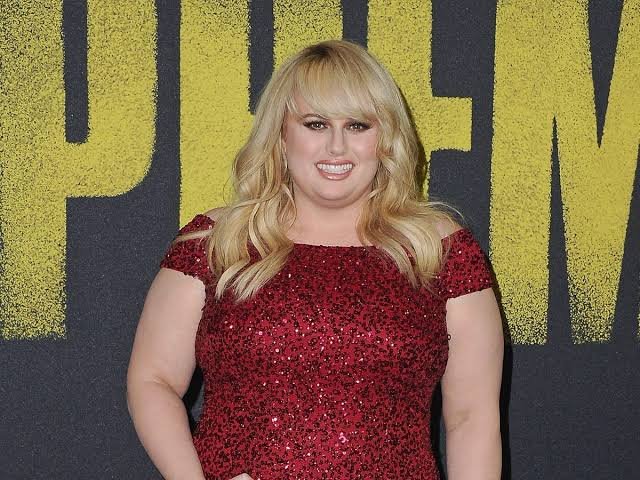
People come in many different shapes, sizes, and body types, and having a larger body is a normal part of human diversity. The term fat people is often used when discussing body size, weight, health, or social attitudes toward people with larger bodies. However, a person’s appearance does not tell the complete story about their health, lifestyle, or personal circumstances. Body size can be influenced by genetics, environment, daily habits, sleep, stress, medications, and other factors. Understanding these influences can help create a more balanced conversation about weight while avoiding stereotypes and unnecessary judgment. This article explores body size, health, healthy habits, weight stigma, and respectful ways to discuss these topics.
What Does “Fat People” Mean?
The phrase fat people is commonly used to describe people who have larger bodies or higher levels of body fat. However, the word “fat” can be sensitive because it has often been used as an insult or judgment rather than as a neutral description.
Body size exists on a broad spectrum. People naturally have different heights, body shapes, muscle mass, fat distribution, and genetic characteristics. Two people can have the same body weight while having very different body compositions and health profiles.
It is therefore important to distinguish between describing body size and making assumptions about a person’s health, habits, personality, or lifestyle.
Why People Have Different Body Sizes
Body weight and body composition are influenced by many interacting factors. Food intake and physical activity are relevant, but they are not the only factors that matter.
Genetics
Genetic differences can influence appetite, metabolism, body-fat distribution, and how the body responds to food and physical activity. Family patterns can therefore contribute to differences in body size.
Environment
Access to nutritious food, opportunities for physical activity, work schedules, transportation, neighborhood design, and economic circumstances can all influence daily habits and health.
Sleep and Stress
Sleep patterns and long-term stress can affect appetite, energy, mood, and everyday behavior. People experiencing demanding work, family responsibilities, or poor sleep may find healthy routines more difficult to maintain.
Medications and Medical Conditions
Some medications and medical conditions can influence appetite, metabolism, fluid retention, or weight. This is one reason why it is inappropriate to assume that someone’s body size is simply the result of a lack of effort.
Does Body Size Always Determine Health?
No. Body size alone cannot provide a complete assessment of an individual’s health.
Healthcare professionals may consider measurements such as blood pressure, blood glucose, cholesterol, physical fitness, medical history, symptoms, medications, and other factors when assessing health.
Body mass index (BMI) is sometimes used as a screening measurement based on height and weight. However, BMI does not directly measure body fat and does not account for every difference in body composition or individual health circumstances.
A person with a larger body may have good health in several areas, while another person of a smaller body size may have health concerns. The opposite can also occur.
This does not mean that excess body fat can never be associated with health risks. Higher amounts of body fat can be associated with increased risk for certain health conditions in some people. The important point is that risk should be considered in a broader health context rather than assumed from appearance alone.
The Importance of Healthy Habits
Health-supporting behaviors can be valuable regardless of someone’s body size.
Balanced Nutrition
A balanced eating pattern can include vegetables, fruits, whole grains, protein sources, healthy fats, and adequate fluids. Individual nutritional needs vary, so there is no single diet that is appropriate for everyone.
Regular Physical Activity
Movement supports cardiovascular health, muscle strength, mobility, mood, and overall well-being. Exercise does not have to mean intense gym workouts.
Walking, swimming, cycling, dancing, stretching, strength training, and other enjoyable activities can all provide opportunities for movement.
Quality Sleep
Adults generally benefit from consistent, sufficient sleep. Establishing a regular sleep schedule and creating a comfortable sleep environment can support overall health.
Mental and Social Well-Being
Health is broader than physical measurements. Relationships, emotional well-being, stress management, self-esteem, and access to supportive communities can also contribute to quality of life.
Weight Stigma and Its Effects
People in larger bodies can experience weight stigma, which includes negative stereotypes, unfair treatment, teasing, social exclusion, or discrimination based on body size.
Weight stigma can occur in schools, workplaces, healthcare settings, social environments, and media. It can also affect how people feel about themselves and whether they feel comfortable seeking professional healthcare.
For example, someone who expects to be judged because of their weight may delay a medical appointment or avoid discussing certain concerns. This can make it harder to receive appropriate care.
Reducing stigma does not require ignoring health concerns. It means discussing health without humiliation, stereotypes, or assumptions about a person’s character.
How to Talk About Body Weight Respectfully
Language matters when discussing body size.
Instead of making comments about someone’s appearance, focus on the subject that actually needs to be discussed. If the conversation is about health, use specific health information rather than treating weight as a complete measure of well-being.
Respectful communication can include:
- Avoiding jokes about someone’s body.
- Not assuming what a person eats or how active they are.
- Avoiding unsolicited diet advice.
- Discussing health privately when appropriate.
- Allowing individuals to choose the language they are comfortable using.
- Focusing on measurable health concerns rather than appearance.
- Treating people with the same dignity regardless of body size.
The preferred terminology can differ between individuals and communities. Some people use “fat” as a neutral or identity-related term, while others prefer expressions such as “person in a larger body” or “person with obesity.” Asking about someone’s preference can be more respectful than assuming.
When Medical Support Can Help
A person concerned about weight, body composition, or related symptoms can speak with a qualified healthcare professional. Medical evaluation may be particularly useful when there are concerns such as persistent fatigue, breathing difficulties, joint problems, changes in blood pressure or blood sugar, sleep problems, or unexplained changes in weight.
Healthcare support should focus on the individual’s overall health and goals rather than treating body size as a moral issue.
Depending on the situation, a healthcare professional may discuss nutrition, physical activity, sleep, medications, medical conditions, mental well-being, or other factors. Treatment should be individualized rather than based on assumptions.
Frequently Asked Questions
1. Is “fat people” an appropriate term?
The word “fat” can be neutral for some people but offensive to others. Context and individual preference matter. When discussing someone personally, respectful and person-centered language is generally preferable.
2. Are all fat people unhealthy?
No. Body size alone does not determine someone’s complete health status. Health involves many factors, including cardiovascular markers, fitness, medical history, nutrition, mental well-being, and other individual characteristics.
3. Why do people have different body sizes?
Body size can be influenced by genetics, environment, eating patterns, physical activity, sleep, stress, medications, medical conditions, and socioeconomic circumstances.
4. Can people in larger bodies exercise?
Yes. People of all body sizes can participate in physical activity. The appropriate type and intensity of exercise depend on an individual’s fitness level, preferences, mobility, and health circumstances.
5. Is BMI a complete measure of health?
No. BMI is a screening tool based on height and weight. It does not directly measure body fat and does not capture every aspect of an individual’s health or body composition.
6. Should someone be given unsolicited weight-loss advice?
Generally, unsolicited comments about another person’s body or weight can be unhelpful and hurtful. Health-related discussions are more appropriate when the person wants support or when a healthcare professional is addressing a relevant medical concern.
7. Can someone improve their health without focusing only on weight?
Yes. Healthy behaviors such as regular movement, balanced nutrition, adequate sleep, stress management, and appropriate medical care can support health independently of focusing exclusively on a number on the scale.
8. What is the most respectful approach to discussing body size?
Focus on the individual rather than stereotypes. Avoid assumptions about lifestyle or health based solely on appearance, use respectful language, and allow people to express their own preferences about how their bodies are described.
Conclusion
People naturally come in different body sizes and shapes. Fat people should not be defined solely by their weight or appearance, and body size should not automatically be treated as a complete measure of health.
A more useful approach is to look at health as a combination of physical, mental, behavioral, and social factors. Balanced nutrition, enjoyable physical activity, adequate sleep, supportive relationships, and appropriate healthcare can contribute to well-being across a wide range of body sizes.
Most importantly, conversations about weight should be based on respect. Health concerns can be discussed honestly without reducing people to their bodies or making assumptions about their lives.
Read More About: Fat Amy Actress
