
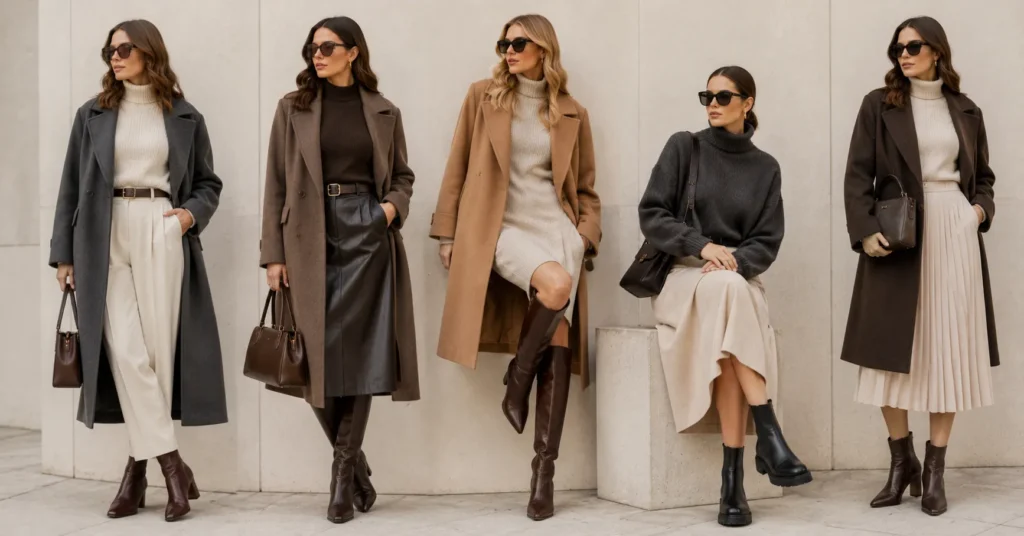
Style and trend are closely connected, but they are not exactly the same thing. A trend is a popular direction that gains attention during a particular period, while style is a broader form of personal or cultural expression.
Trends can appear in clothing, accessories, hairstyles, interior design, beauty, photography, entertainment, technology, and even everyday lifestyle choices. Some remain popular for years, while others become less relevant after only a short period.
Style tends to be more personal. Someone may enjoy current trends while still maintaining a recognizable appearance that reflects their personality. This is why two people can wear similar trend-inspired pieces and still create completely different looks.
Understanding this difference makes it easier to enjoy changing trends without feeling pressured to constantly change your identity.
The Difference Between Style and Trend
The easiest way to understand the difference is to think of style as personal expression and trends as temporary or changing popularity.
| Style | Trend |
|---|---|
| Often reflects personal taste | Reflects what is currently popular |
| Can remain consistent for years | Can change quickly |
| More connected to identity | More connected to cultural interest |
| Does not require constant updates | Often changes with seasons and influences |
| Can be unique and individual | Usually shared by many people |
A person may have a minimalist style, for example, while incorporating one or two current trends. This approach allows them to participate in modern fashion without replacing their entire wardrobe or appearance.
How Trends Become Popular
Trends rarely appear completely out of nowhere. They are often influenced by several factors working together.
Fashion and Design
Designers, brands, creative communities, and cultural movements can introduce ideas that later become widely recognized. Runway collections, editorial photography, street style, and creative collaborations can all influence public interest.
Celebrities and Public Figures
People often notice clothing, hairstyles, accessories, or beauty choices through celebrities and other influential personalities. When a particular look receives significant attention, it can inspire similar choices among wider audiences.
Social Media
Platforms built around visual content have changed the speed at which trends spread. A new outfit idea, beauty technique, color combination, or aesthetic can reach large audiences in a very short time.
Music and Entertainment
Films, television shows, music videos, and artists can influence fashion and lifestyle preferences. Certain visual aesthetics may become associated with a particular cultural moment.
Street Style
Trends do not always begin with major brands. Everyday people can also influence style through creative combinations, local fashion communities, and social media content.
Why Personal Style Matters
Following trends can be enjoyable, but personal style provides something more lasting.
Personal style helps people decide what actually suits them instead of simply copying whatever is popular. It can involve clothing choices, colors, accessories, hairstyles, makeup, footwear, or even the way someone decorates their living space.
A strong personal style does not mean avoiding trends. Instead, it means choosing trends selectively.
For example, someone who prefers classic clothing might add a trendy bag or modern footwear rather than completely changing their wardrobe. Someone who enjoys bold fashion may use a new color trend as an opportunity to experiment.
The goal is not to look exactly like everyone else. The goal is to use current influences in a way that still feels natural.
Major Areas Influenced by Trends
Style and trends extend far beyond clothing.
Fashion
Fashion is one of the most visible areas of trend culture. Silhouettes, colors, fabrics, footwear, accessories, and styling techniques can all change over time.
Some trends are strongly seasonal, while others gradually become part of mainstream fashion.
Beauty
Haircuts, hair colors, skincare routines, makeup techniques, and nail designs can all experience periods of popularity. Beauty trends often spread rapidly through short-form videos and visual content.
Interior Design
Home interiors also reflect changing preferences. Color palettes, furniture styles, lighting, materials, and decorative approaches can become popular as people look for new ways to create comfortable and attractive spaces.
Lifestyle
Trends can influence hobbies, travel preferences, wellness routines, photography styles, food choices, and ways of spending free time.
Digital Culture
The digital world has created new forms of personal expression. Online aesthetics, profile design, photography styles, video formats, and creator culture all contribute to modern trends.
How Social Media Shapes Modern Trends
Social media has made trend cycles faster and more accessible.
In the past, people often discovered fashion and lifestyle ideas through magazines, television, advertising, stores, and fashion events. Today, a trend can move from a small online community to a global audience very quickly.
Creators also play an important role. Instead of depending only on traditional fashion publications or major brands, audiences can discover styling ideas from people who share everyday outfits, shopping choices, tutorials, and creative projects.
However, the speed of social media can also make trends feel short-lived. Something may appear everywhere for a few weeks and then be replaced by another aesthetic.
This makes it useful to distinguish between temporary popularity and lasting personal preference.
Should You Follow Every Trend?
No. Following every trend is neither necessary nor practical.
A better approach is to ask whether a trend fits your existing style, lifestyle, comfort, and preferences.
Before adopting something new, consider:
- Does it suit your personality?
- Will you actually use or wear it?
- Does it work with things you already own?
- Is it comfortable and practical?
- Do you genuinely like it, or are you following it because everyone else is?
These questions can help prevent unnecessary purchases and reduce the pressure to constantly keep up.
How to Build a Style That Feels Personal
Developing personal style takes time. It does not require an expensive wardrobe or constant shopping.
Start by identifying the colors, shapes, materials, and outfits you naturally prefer. Save images that genuinely appeal to you and look for patterns among them.
You can then experiment with small changes instead of making dramatic transformations.
A useful approach is to create a foundation of pieces that work well for you and use trends as occasional additions. This gives you flexibility while keeping your overall style consistent.
It is also worth paying attention to context. A style that works for a formal event may not be practical for everyday activities. Personal style becomes more useful when it works with your real life rather than existing only in photographs.
Frequently Asked Questions
What is the meaning of style and trend?
Style refers to a distinctive way of expressing personal or cultural preferences, while a trend is a popular direction or idea that gains attention during a particular period.
Are style and fashion the same thing?
Not exactly. Fashion often refers to clothing and broader industry practices, while style can describe personal expression across fashion, beauty, design, lifestyle, and other areas.
Why do trends change so quickly?
Trends can change quickly because of social media, cultural influences, entertainment, new designs, consumer behavior, and the rapid spread of visual content.
How can I follow trends without losing my personal style?
Choose trends selectively. Instead of changing everything, introduce individual trend elements that complement your existing preferences.
Can a trend become timeless?
Yes. Some trends remain popular long enough to become established parts of fashion and design. Others may return years later after being popular in an earlier period.
Do social media platforms create trends?
Social media can accelerate and amplify trends. It can also help trends emerge from smaller communities and reach much larger audiences.
Is following trends necessary to have good style?
No. Good style is not determined by how many trends someone follows. Confidence, personal preference, appropriate choices, and consistency can be more important than simply wearing what is currently popular.
How can I discover trends without copying others?
Use trends as inspiration rather than instructions. Look at different interpretations, identify elements you like, and adapt them to your own preferences.
Conclusion
Style & trend are connected but serve different purposes. Trends reflect changing cultural and creative interests, while personal style gives people a way to express who they are.
The most effective approach is not to follow every new idea. Instead, understand what is popular, choose what genuinely appeals to you, and adapt it to your own lifestyle. Whether the subject is fashion, beauty, design, or digital culture, trends can provide inspiration without taking away individuality.
Ultimately, style becomes more meaningful when it feels authentic rather than forced.
Learn More About: Summer Fashion Trends
