
Disease control agencies are organizations that work to protect public health by preventing and controlling infectious diseases and other health threats. They may operate at the local, national, regional, or international level.
Their work extends beyond responding when people become sick. These agencies monitor health information, identify emerging threats, investigate unusual disease patterns, develop prevention strategies, and provide guidance to healthcare professionals and the public.
Depending on the country and organization, an agency may focus on infectious diseases, vaccination, environmental health, laboratory testing, emergency preparedness, or broader public health responsibilities.
The overall goal is to reduce illness, prevent avoidable deaths, and limit the spread of diseases within communities.
What Do Disease Control Agencies Do?
The responsibilities of disease control organizations can vary, but several activities are central to their work.
Disease Surveillance
Disease surveillance involves continuously collecting and analyzing information about illnesses. Health authorities may receive reports from hospitals, laboratories, doctors, and other healthcare organizations.
This information can help identify:
- Increases in particular diseases
- Unusual clusters of illness
- Geographic patterns
- Emerging infectious threats
- Changes in disease activity over time
Early detection gives public health officials an opportunity to investigate potential problems before they become larger outbreaks.
Outbreak Investigation
When an unusual increase in illness is detected, public health teams may investigate the situation. They can work to determine what is causing the illness, how it is spreading, and which populations may be at greater risk.
Investigations can involve laboratory testing, interviews, contact tracing, environmental assessments, and analysis of epidemiological information.
The findings can help officials decide which control measures may be appropriate.
Public Health Guidance
Disease control agencies also provide guidance to healthcare professionals, organizations, schools, businesses, and members of the public.
Guidance may cover subjects such as infection prevention, vaccination, testing, travel-related health risks, food safety, or measures for reducing disease transmission.
Clear communication is particularly important during public health emergencies because inaccurate or confusing information can make it harder for communities to respond effectively.
How Disease Surveillance Helps Control Outbreaks
Surveillance is one of the most important tools available to disease control agencies.
Instead of waiting for a disease to spread widely, health authorities can examine patterns in reported cases and laboratory results. When the data indicates something unusual, investigators can examine the situation more closely.
For example, if several healthcare facilities report patients with similar symptoms within a short period, public health authorities may investigate whether the cases are connected.
Surveillance systems can also help authorities understand where diseases are occurring and whether prevention measures are working.
Modern disease monitoring may involve laboratory networks, electronic reporting systems, epidemiological databases, and other sources of health information. However, the quality of surveillance depends on accurate reporting, timely communication, and appropriate data analysis.
The Role of Disease Control Agencies During Outbreaks
During an outbreak, disease control agencies may coordinate many activities at the same time.
A response can include:
- Confirming the outbreak through epidemiological and laboratory investigation.
- Identifying the source or transmission pattern when possible.
- Monitoring affected populations and tracking additional cases.
- Providing guidance to healthcare workers and the public.
- Supporting testing and laboratory investigations.
- Recommending appropriate prevention measures.
- Coordinating with local, national, and international partners.
The exact response depends on the disease, its method of transmission, the number of affected people, and the level of risk to the community.
Disease control agencies may also help healthcare systems prepare for increased demand and provide technical expertise during emergencies.
Prevention, Vaccination, and Public Health Education
Disease prevention is not limited to responding to outbreaks. A major part of public health work involves reducing the likelihood that diseases will spread in the first place.
Vaccination programs are an important example. Public health agencies may provide information about recommended vaccines, monitor vaccine-preventable diseases, and support immunization programs.
Education is another important component. Agencies may publish information about:
- Hand and respiratory hygiene
- Vaccination
- Food and water safety
- Disease symptoms
- When to seek medical care
- Preventive measures during outbreaks
- Travel-related health precautions
Effective public health education should be understandable, evidence-based, and appropriate for the communities being served.
Major Disease Control Organizations Around the World
Different countries have their own public health institutions, while international organizations support cooperation across borders.
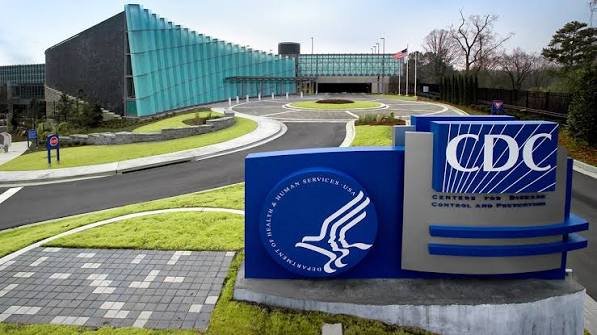
Some well-known organizations include the Centers for Disease Control and Prevention (CDC) in the United States and the European Centre for Disease Prevention and Control (ECDC) in the European Union.
At the international level, the World Health Organization (WHO) works with countries and partners on global health issues, including infectious disease surveillance, emergency response, and disease prevention.
National public health authorities may also work closely with hospitals, laboratories, universities, local health departments, and international partners.
Because diseases can cross borders quickly, cooperation between these organizations is an important part of modern disease control.
Why Cooperation Between Agencies Matters
No single organization can manage every public health threat alone.
A disease outbreak may involve multiple cities, regions, or countries. Healthcare providers may identify cases, laboratories may confirm infections, local authorities may investigate transmission, and national organizations may coordinate a broader response.
International cooperation becomes particularly important when diseases cross national borders.
Sharing appropriate information, laboratory findings, technical expertise, and public health guidance can help authorities recognize threats sooner and coordinate responses more effectively.
Cooperation can also strengthen preparedness before an emergency occurs.
Challenges Faced by Disease Control Agencies
Disease control agencies operate in a complex environment and face several challenges.
Emerging Diseases
New infectious diseases or previously uncommon diseases can create uncertainty. Authorities may initially have limited information about transmission, severity, or effective prevention strategies.
Changing Disease Patterns
Population movement, environmental changes, urbanization, travel, and other factors can influence how diseases spread and where health risks emerge.
Misinformation
False or misleading health information can make disease prevention more difficult. Public health organizations therefore need to communicate clearly and respond to important misconceptions with reliable information.
Limited Resources
Surveillance, laboratory testing, emergency response, vaccination programs, and public health staffing all require resources. Differences in funding and infrastructure can affect how effectively communities can respond to health threats.
How Individuals Can Support Disease Prevention
Individuals also have an important role in protecting community health.
People can follow appropriate vaccination recommendations, practice good hygiene, stay informed through reliable public health sources, and follow official guidance during outbreaks.
Seeking medical advice when experiencing concerning symptoms can also help people receive appropriate care and reduce potential transmission when an infectious illness is suspected.
Most importantly, individuals should avoid relying on unverified claims about diseases, treatments, or outbreaks. Reliable information from recognized public health and healthcare organizations is generally a better basis for health decisions.
Frequently Asked Questions
1. What is the main purpose of disease control agencies?
Their main purpose is to protect public health by preventing, detecting, monitoring, and controlling diseases and other health threats.
2. How do disease control agencies detect outbreaks?
They use disease surveillance, laboratory reports, healthcare data, epidemiological investigations, and other public health information to identify unusual patterns of illness.
3. Do disease control agencies provide medical treatment?
Some public health organizations provide or support specific health services, but disease control agencies generally focus on population-level prevention, surveillance, investigation, and public health guidance rather than providing routine individual medical care.
4. Why are disease control agencies important?
They help communities prepare for health threats, detect outbreaks early, coordinate responses, provide reliable information, and develop strategies that reduce disease transmission and its impact.
5. What is disease surveillance?
Disease surveillance is the systematic collection, analysis, and interpretation of health information to monitor diseases and identify changes or emerging threats.
6. How do disease control agencies work with hospitals?
Hospitals and healthcare professionals may report cases, provide laboratory or clinical information, participate in outbreak investigations, and follow public health recommendations.
7. Why is international cooperation important for disease control?
Diseases can spread across borders through travel and other forms of population movement. Cooperation allows countries and international organizations to share information and coordinate responses to health threats.
8. Where can people find reliable information about disease outbreaks?
People should generally rely on recognized national or local public health authorities, healthcare professionals, and established international public health organizations for current disease information.
Conclusion
Disease control agencies play a central role in protecting communities from infectious diseases and other public health threats. Their work includes disease surveillance, outbreak investigation, laboratory coordination, prevention programs, public health communication, and emergency preparedness.
Although governments and public health organizations carry major responsibilities, effective disease prevention also depends on cooperation with healthcare professionals, communities, organizations, and individuals. Strong surveillance, clear communication, adequate resources, and coordinated action can help communities identify health threats earlier and respond more effectively.
Learn About: Affordable Health Insurance
