
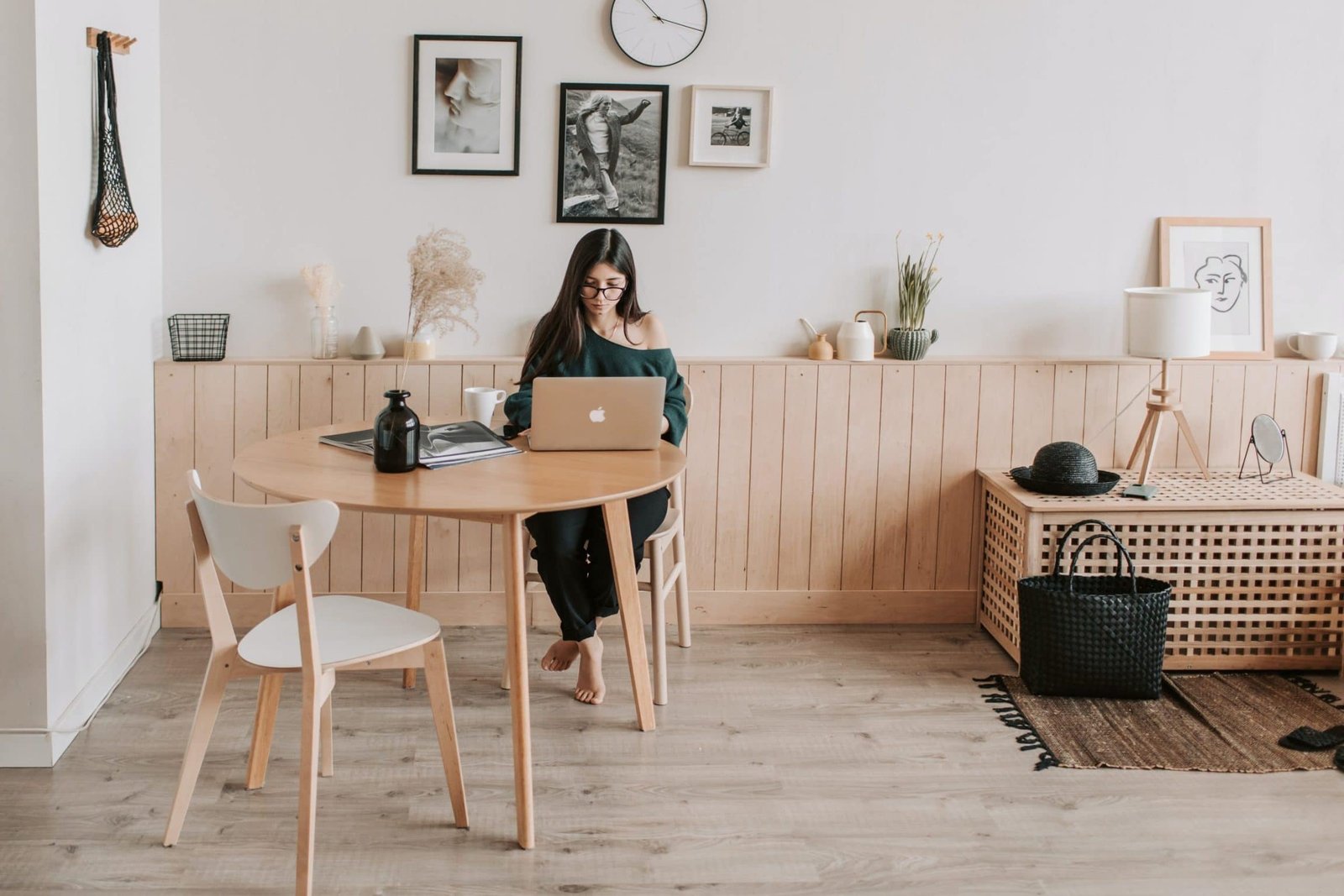
A minimalist lifestyle is about being more intentional with what you own, buy, do, and give your attention to. Instead of allowing possessions and commitments to accumulate automatically, minimalism encourages you to decide what genuinely adds value to your life.
For one person, this might mean having a simpler wardrobe. For another, it could involve reducing household clutter, avoiding unnecessary purchases, or creating a less complicated daily schedule.
Minimalism does not require an empty home or a strict set of rules. It is less about counting possessions and more about understanding your priorities.
The basic question is simple: Does this add enough value to my life to deserve my money, time, attention, or space?
Why People Choose Minimalism
Modern life can become crowded with physical possessions, digital notifications, shopping habits, social commitments, and endless tasks. Minimalism offers a way to step back and decide what is actually important.
A More Organized Home
Fewer unnecessary items can make everyday spaces easier to maintain. When there is less clutter, cleaning, organizing, and finding things can become simpler.
More Intentional Spending
Minimalism encourages people to think before purchasing. Rather than buying something because it is discounted, popular, or attractive in the moment, you can consider whether you genuinely need or value it.
Less Visual and Mental Clutter
A crowded environment can feel distracting. Simplifying your surroundings may make your home feel calmer and easier to use.
More Focus on Experiences and Priorities
When you spend less time managing unnecessary belongings, you may have more room for activities, relationships, hobbies, learning, or rest.
How to Start Living a Minimalist Lifestyle
You do not need to transform your entire life in one weekend. Starting gradually is often more practical and sustainable.
1. Identify What Matters Most
Before removing anything, think about your priorities. Maybe you value family time, creativity, travel, education, fitness, or having a peaceful home.
Your priorities can help you decide what deserves your resources.
2. Start With One Small Area
Choose a drawer, shelf, bathroom cabinet, or section of your wardrobe. Sort through the items and separate them into categories such as:
- Keep
- Donate or give away
- Recycle or dispose of
- Decide later
Starting small makes the process less overwhelming.
3. Ask Better Questions
Instead of asking, “Could I possibly use this someday?” try asking:
- Do I use this regularly?
- Does it serve a specific purpose?
- Would I buy it again today?
- Does it have genuine sentimental value?
- Is keeping it worth the space it occupies?
These questions can make decisions clearer.
4. Create a Pause Before Buying
One of the simplest minimalist habits is to avoid automatic purchases. When you want something, give yourself time to consider it.
For larger purchases, compare the item with what you already own and ask whether it solves a real problem.
Decluttering Your Home Without Going to Extremes
Minimalism should make life easier, not create unnecessary stress.
You do not have to remove everything that is decorative, sentimental, or inexpensive. A home can still contain photographs, books, artwork, comfortable furniture, and objects that bring personality to the space.
The goal is to remove what feels unnecessary while keeping what is useful or meaningful.
A practical approach is to focus first on obvious clutter. Expired products, broken objects, duplicate items, clothes that no longer fit, and things you never use are often easier to evaluate than sentimental belongings.
Once the easy decisions are finished, you can decide whether you want to simplify further.
Minimalism and Intentional Spending
Minimalism can influence how you shop as much as how you organize your home.
Before making a purchase, consider its long-term value rather than focusing only on the price.
For example, instead of buying several inexpensive items because they are on sale, you might choose one item that fits your needs and is likely to be used regularly.
This does not mean avoiding shopping altogether. It means making purchases based on your actual needs and preferences rather than impulse.
A simple shopping checklist can help:
| Question | Why It Matters |
|---|---|
| Do I need it? | Prevents unnecessary purchases |
| Do I already own something similar? | Reduces duplication |
| Will I use it regularly? | Focuses on practical value |
| Does it fit my priorities? | Encourages intentional choices |
| Can I afford it comfortably? | Keeps spending realistic |
Creating a Simpler Daily Routine
Minimalism can also apply to your schedule.
A busy calendar is not necessarily a productive one. If every day is filled with tasks, notifications, appointments, and obligations, there may be little time for rest or meaningful activities.
Try reviewing your regular commitments. Some may be essential, while others may have been added simply because you were used to doing them.
A simpler routine might include:
- Planning the most important tasks first
- Reducing unnecessary notifications
- Keeping a manageable to-do list
- Leaving some unscheduled time
- Creating regular periods without screens
- Preparing frequently used items in advance
The purpose is not to make every day perfectly structured. It is to make your time reflect your priorities.
Minimalism Beyond Physical Possessions
A minimalist lifestyle can extend far beyond your belongings.
Digital Minimalism
Your phone and computer can become cluttered too. Unused apps, unnecessary notifications, duplicate files, and social media accounts can consume attention.
Review the digital spaces you use regularly and remove what no longer serves you.
Social Minimalism
Minimalism does not mean cutting people out of your life. Instead, it can encourage you to become more selective about commitments.
You can value relationships while also recognizing that you do not need to say yes to every invitation, activity, or obligation.
Information Minimalism
Constantly consuming news, videos, posts, and messages can make it difficult to focus. Choosing a smaller number of reliable sources and setting boundaries around information consumption can create a calmer routine.
Common Misconceptions About Minimalism
One common misconception is that minimalists must own very few things. In reality, there is no universal number of possessions that defines minimalism.
Another misconception is that minimalism means living in a completely plain or empty home. A minimalist home can still be warm, colorful, comfortable, and personal.
Minimalism is also not about deprivation. If something genuinely improves your life and fits your priorities, there is no reason to remove it simply because it is not essential.
The most useful form of minimalism is personal. What feels unnecessary to one person may be valuable to another.
FAQs About Minimalist Living
Is minimalism the same as living with nothing?
No. Minimalism is not about owning nothing. It is about being intentional with your possessions and keeping things that are useful, meaningful, or valuable to you.
How do I start a minimalist lifestyle?
Start with one small area of your home. Remove obvious clutter, avoid unnecessary purchases, and gradually develop habits that support a simpler way of living.
Does minimalism save money?
It can. By becoming more intentional about purchases and avoiding unnecessary spending, some people may reduce the amount they spend on things they do not really need.
Can I be a minimalist and still enjoy shopping?
Yes. Minimalism does not require you to stop shopping. It encourages you to purchase thoughtfully and prioritize things that genuinely fit your needs and values.
Is minimalism only about home organization?
No. Minimalism can also involve spending, schedules, digital habits, relationships, and the amount of information you consume.
What should I get rid of first?
Start with items that are broken, expired, unused, duplicated, or clearly no longer needed. Save sentimental items for later when you feel more comfortable making decisions.
Can minimalism work for families?
Yes. Families can apply minimalist principles without following strict rules. Shared decisions about clutter, shopping, storage, and routines can make everyday life easier.
Final Thoughts
A minimalist lifestyle is not a competition to own the fewest possessions. It is a practical approach to making more intentional choices about what occupies your home, consumes your money, fills your schedule, and captures your attention.
You can begin with something as simple as clearing one drawer, postponing an unnecessary purchase, turning off a few notifications, or removing one commitment from an overloaded schedule.
The aim is not to create a perfect minimalist life. It is to create a life where the things you keep—whether possessions, activities, or commitments—have a reason to be there.
Learn More About: Lifestyle Topics
