
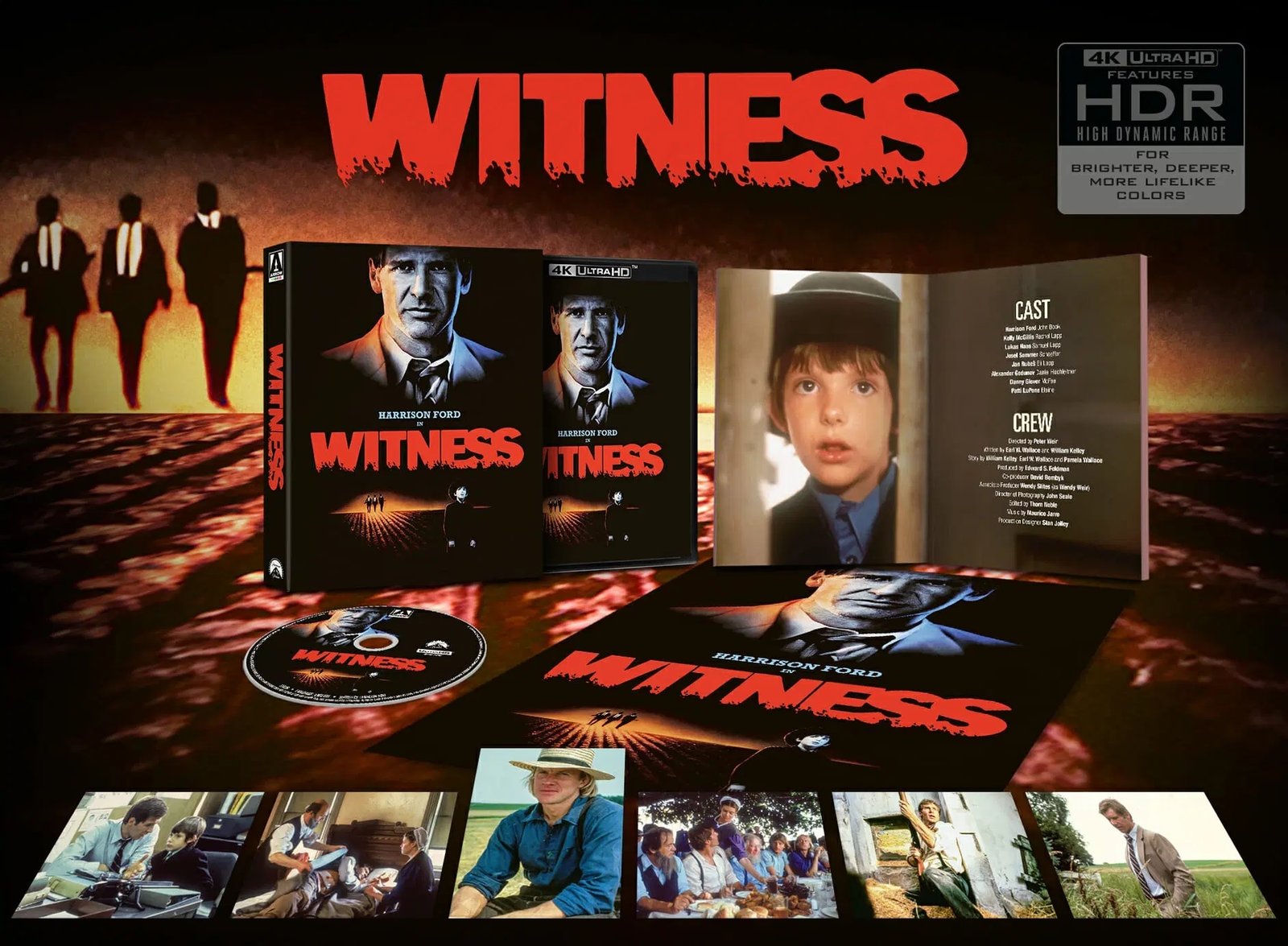
A witness film is a type of film that places observation, testimony, or personal experience at the center of its story. Instead of simply telling audiences what happened, the film may allow them to understand an event through someone who experienced it, saw it, documented it, or investigated it.
The term can apply to different kinds of filmmaking. Some witness-focused films are documentaries based on interviews and archival material, while others are fictional stories in which a central character becomes a witness to an important event.
What connects these films is the importance of perspective. The audience is encouraged to see events through the eyes of someone who was there or who has a meaningful connection to what happened.
This approach can make a story feel personal. A major historical or social event can seem distant when presented only through dates and facts. A witness can give that event a human dimension by describing what they saw, felt, remembered, or struggled to understand.
How Witness Films Tell Their Stories
Witness-focused filmmaking can use several storytelling techniques. The approach depends on whether the film is documentary, fictional, investigative, or based on real events.
Personal Testimony
Interviews are one of the most recognizable tools in documentary witness films. A person may describe an event in their own words while the filmmaker supports the testimony with photographs, video footage, documents, or locations connected to the story.
Personal testimony can provide details that are difficult to communicate through conventional narration.
Archival Footage
Old photographs, recordings, newspaper reports, letters, home videos, and other historical materials can help establish context.
When combined with a witness’s memories, archival material can create a stronger connection between the past and the present.
Reconstructed Events
Some films recreate events when original footage is unavailable. Actors, locations, animation, or carefully designed scenes may be used to help viewers understand what happened.
When reconstructions are used in documentary filmmaking, responsible filmmakers distinguish between original evidence and recreated material.
A Character’s Point of View
In fictional films, the witness may be a character who unexpectedly sees something important. The plot can then develop around what that person knows and whether others believe them.
This structure is particularly useful for mystery, thriller, crime, and courtroom stories.
Key Features of a Witness Film
Although there is no single formula for every witness-focused film, several characteristics appear frequently.
| Feature | Purpose |
|---|---|
| Personal perspective | Makes events more human and relatable |
| Testimony | Provides first-person information or memories |
| Evidence | Helps establish context and credibility |
| Investigation | Explores unanswered questions |
| Emotional experience | Shows how events affect people |
| Historical context | Connects individual stories to larger events |
| Point of view | Shapes how the audience understands the story |
A strong witness film does not necessarily depend on dramatic action. Sometimes the most powerful material is a person’s account of an ordinary moment that became significant because of what happened around it.
Witness Films vs. Traditional Movies
A traditional fictional film usually builds its story around characters, conflict, dialogue, and a planned narrative structure. A witness-centered film may place greater emphasis on observation, memory, evidence, and perspective.
For example, imagine a film about a major event in a town.
A conventional drama might create fictional characters and show the event from beginning to end.
A witness documentary might instead interview several people who experienced the event. Their memories could be combined with photographs, news footage, documents, and present-day locations.
Neither approach is automatically better. They simply create different relationships between the audience and the story.
Fiction can provide emotional immersion, while documentary testimony can offer a direct connection to real people’s experiences. Some films combine both approaches.
Why Audiences Connect With Witness Stories
One reason witness-based storytelling can be powerful is that it gives audiences an individual point of entry into a larger subject.
A viewer may not personally understand a historical event, legal dispute, social crisis, or unexpected tragedy. Hearing from someone who experienced it can make the subject easier to understand.
There is also an element of trust. When someone describes what they personally witnessed, audiences may become interested in the differences between memory, evidence, and interpretation.
That does not mean every testimony should automatically be accepted as complete or objective. Human memory can be imperfect, and witnesses can interpret the same event differently. Good filmmaking can acknowledge these limitations rather than presenting every account as unquestionable fact.
Common Themes and Subjects
Witness films can explore almost any subject where personal experience matters.
Historical Events
Historical documentaries often rely on people who experienced important events firsthand. Their stories can complement official records and archival evidence.
Crime and Investigation
Crime films frequently use witnesses as central figures. A witness may hold information that investigators need, or they may become part of the mystery themselves.
War and Conflict
Personal accounts can help communicate the human consequences of war. Instead of focusing only on military movements or political decisions, a witness story can show what events looked and felt like to civilians, journalists, soldiers, or other people present.
Social Issues
Documentary filmmakers may use testimony to explore subjects such as inequality, displacement, environmental problems, or changes within communities.
Courtroom Stories
A witness can also become the foundation of a legal narrative. Testimony, questioning, conflicting accounts, and evidence can create natural tension.
How Filmmakers Build a Powerful Witness Story
Creating a compelling witness film requires more than simply recording an interview.
First, filmmakers need to understand the central story. They must determine what the audience needs to know and which perspectives are most relevant.
Next comes research. Documents, photographs, recordings, public records, and other evidence can provide context for personal testimony.
Filmmakers also need to consider whose voice is missing. A story based on one person’s perspective may be emotionally powerful, but additional viewpoints can reveal important details or disagreements.
Editing plays another major role. A witness may speak for hours, but only selected portions may appear in the final film. The order of those statements can influence how viewers understand the events.
Ethical responsibility is especially important when films deal with trauma, violence, or sensitive personal experiences. Filmmakers need to consider consent, context, privacy, and the potential consequences of publication.
What Makes a Witness Film Effective?
The strongest witness films generally balance human experience with context.
A compelling personal story can attract attention, but evidence and background information help audiences understand the larger picture. Likewise, a film filled with facts can become difficult to connect with if it lacks a human perspective.
Effective witness filmmaking often combines:
- A clear central question
- Credible and relevant testimony
- Strong contextual research
- Appropriate archival material
- Multiple perspectives when necessary
- Careful editing
- Transparent treatment of uncertainty
- Respect for the people involved
The goal is not simply to make viewers believe a particular person. It is to help them understand what happened, why it matters, and how different people experienced the same circumstances.
FAQs About Witness Films
What does witness film mean?
A witness film generally refers to a film that focuses on witnessing, testimony, observation, or the perspective of someone connected directly to an event. It can describe documentary or fictional storytelling.
Is a witness film always a documentary?
No. The concept can apply to documentaries as well as fictional films. In documentaries, witnesses may provide firsthand testimony, while fictional stories can use a witness character as an important part of the plot.
Why are witness films important?
They can give audiences a personal perspective on events that might otherwise feel distant or abstract. They can also preserve memories and experiences that may not appear in official records.
Can witness testimony be unreliable?
Yes. Memory can change over time, and people may interpret events differently. For that reason, responsible documentary filmmaking often compares testimony with other available evidence.
What genres commonly use witness characters?
Witness characters are especially common in mystery, thriller, crime, courtroom, historical, and investigative stories. Their knowledge can create conflict, reveal information, or move the plot forward.
How are witness films different from historical documentaries?
There can be significant overlap. A historical documentary may include many different sources, while a witness-focused film may place greater emphasis on firsthand experiences and personal testimony.
What makes a witness story compelling?
A compelling witness story usually combines a meaningful human perspective with clear context, credible evidence, strong storytelling, and a reason for the audience to care about the events being described.
Conclusion
A witness film puts perspective at the heart of storytelling. Whether it follows a real person’s testimony or a fictional character who sees something important, this approach allows audiences to experience events through an individual’s point of view.
The most effective examples balance emotion with context and personal memories with supporting evidence. They recognize that witnessing an event is not always the same as completely understanding it.
Ultimately, witness-focused filmmaking is valuable because it turns large or complicated subjects into human stories. By giving people a chance to tell what they saw, experienced, and remember, these films can create a deeper connection between the audience and the events on screen.
Learn More About: Movie Clip Video
