
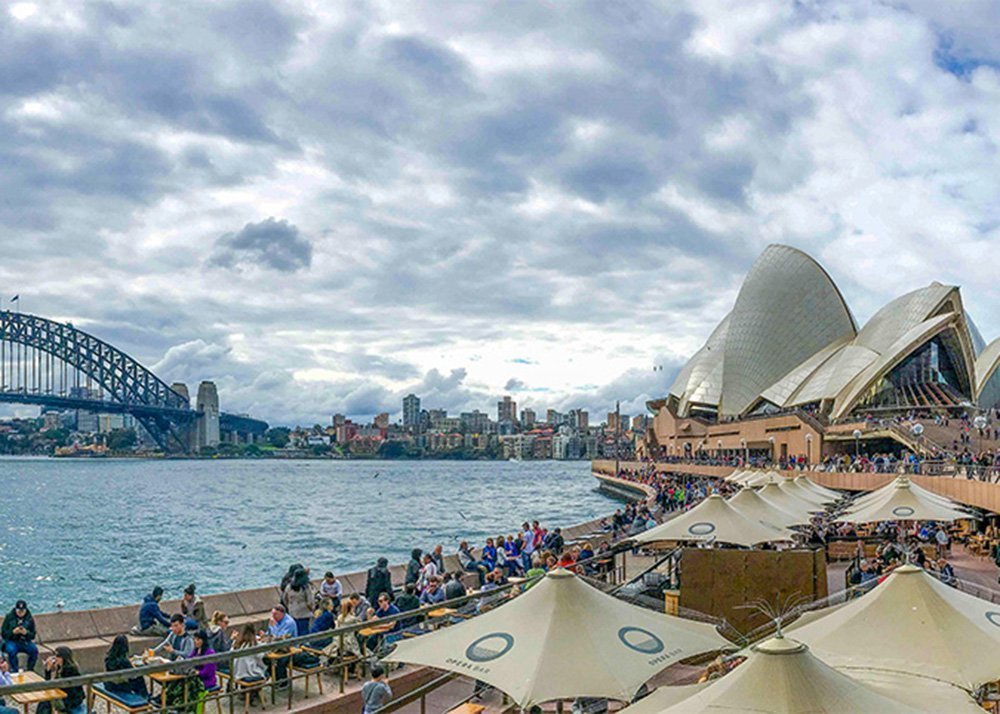
For many people, life in Australia means a combination of work, family time, outdoor activities, and a relatively laid-back social culture. Australia is a large and diverse country, so the experience can vary considerably depending on where you live.
Sydney and Melbourne offer busy city environments, extensive services, restaurants, cultural events, and broad employment markets. Brisbane has a warmer climate and a more relaxed atmosphere, while Perth offers a different pace of life on Australia’s western coast. Smaller cities and regional communities can provide a quieter lifestyle and, in some cases, lower housing costs.
Australia is also highly multicultural. People from many backgrounds live, work, and study across the country, which means newcomers can often find communities, food, cultural events, and social groups connected to their heritage.
Cost of Living in Australia
One of the biggest things to consider before moving to Australia is the cost of living. Everyday expenses can vary significantly between cities, suburbs, and regional areas.
Housing is usually one of the largest expenses. Rent in popular metropolitan areas can take a substantial part of a household budget, particularly when living close to central business districts or highly sought-after suburbs.
Other common expenses include:
- Groceries and household items
- Electricity and gas
- Internet and mobile services
- Public transport or car expenses
- Healthcare and insurance costs
- Education and childcare
- Dining out and entertainment
Your lifestyle also makes a major difference. Cooking at home, choosing accommodation carefully, using public transport where practical, and comparing service providers can help control monthly spending.
Rather than assuming that Australia is simply “expensive,” it is more useful to compare expected income with local expenses and decide which city or region fits your budget.
Housing and Finding a Place to Live
Finding suitable accommodation is an important part of settling into Australian life. Rental properties are commonly advertised online, and prospective tenants may need to provide identification, proof of income, rental history, references, and other documents depending on the property and application requirements.
Location matters almost as much as the property itself. Living closer to a city centre may reduce commuting time but can increase rent. Moving farther out can provide more space, although transportation costs and travel time may rise.
Before signing a rental agreement, check:
- Weekly rent and payment requirements
- Lease length
- Bond requirements
- Utility arrangements
- Public transport access
- Nearby schools, shops, and services
- Parking availability
- Local rental conditions
For newcomers, renting a room or sharing a property can sometimes be a practical way to reduce initial housing expenses while becoming familiar with the local area.
Working in Australia
Australia has employment opportunities across many industries, although requirements vary by profession, location, qualifications, and visa status.
Major employment sectors include healthcare, construction, education, professional services, technology, hospitality, retail, logistics, mining, and agriculture.
Workplace culture may feel informal compared with some countries. First names are commonly used, and communication tends to be direct but generally friendly. Punctuality, reliability, teamwork, and clear communication are valued in many workplaces.
If you are planning to work in Australia, check whether your profession requires registration, licensing, skills assessment, or recognition of overseas qualifications. Having the right paperwork prepared before applying for jobs can make the process much easier.
Healthcare and Education
Healthcare in Australia includes a combination of public and private services. Medicare is Australia’s public healthcare system, but eligibility depends on factors such as citizenship, residency, and visa circumstances. People who are not eligible may need appropriate private health insurance.
Education is another important part of Australian society. The country has public and private schools as well as universities, vocational education providers, and other training institutions.
Families moving to Australia should research local school arrangements before choosing where to live because school options and enrolment requirements can differ between states and territories.
Australian Culture and Social Life
Australian culture is often associated with friendliness, informality, and an appreciation for personal space. Social interactions can be relaxed, and people may use casual language even in situations that might feel more formal elsewhere.
Sport plays a significant role in Australian social life. Australian rules football, cricket, rugby, soccer, and tennis are among the sports followed and played across different communities.
Food is another major part of the country’s multicultural character. Alongside traditional Australian favourites, cities offer cuisines from Asia, Europe, the Middle East, Africa, and many other regions.
Weekends often revolve around family gatherings, cafés, sport, shopping, beaches, parks, barbecues, or outdoor activities.
Transport and Getting Around
Transport options depend heavily on where you live.
Major cities generally have combinations of trains, buses, trams, and ferries. In suburban and regional areas, having a car can be much more convenient, particularly where public transport services are less frequent.
Australia is also known for its long distances. A trip between two cities can involve a significant journey, so newcomers should not assume that everything is located close together.
When choosing accommodation, consider your regular commute rather than looking only at the rent. A cheaper home that requires a long daily journey may not actually save money or time.
Weather and Outdoor Lifestyle
Australia has several climate zones, so weather differs considerably across the country.
Some areas experience hot summers, while southern regions can have cooler winters. Tropical northern areas have different seasonal patterns from the temperate southeast.
Outdoor living is a major attraction for many residents. Beaches, national parks, walking trails, sporting facilities, rivers, and public parks provide plenty of opportunities to spend time outside.
However, Australia’s climate can also present challenges. Heat, strong sun, bushfires, storms, floods, and other environmental conditions can affect different regions. Understanding local weather alerts and following official safety advice is an important part of everyday life.
Best Australian Cities for Different Lifestyles
There is no single “best” city because the right choice depends on your priorities.
| City | Often Suits People Looking For |
|---|---|
| Sydney | Major-city lifestyle, beaches, business and professional opportunities |
| Melbourne | Arts, cafés, culture, education, and diverse neighbourhoods |
| Brisbane | Warmer weather and a growing city with a relaxed atmosphere |
| Perth | Coastal lifestyle, outdoor activities, and a western Australian setting |
| Adelaide | A comparatively quieter metropolitan lifestyle and cultural activities |
| Canberra | Government-related employment, education, and an organised city environment |
| Hobart | Cooler weather, nature, and a smaller-city atmosphere |
Before choosing a city, compare employment opportunities, housing costs, transport, climate, education, and your preferred lifestyle.
Challenges Newcomers Should Expect
Although Australia offers many advantages, moving there is not automatically easy.
The cost of housing can be challenging, especially in highly competitive rental markets. Adjusting to workplace expectations and Australian English can also take time. The country’s size may make visiting family and friends overseas expensive and time-consuming.
Some newcomers also experience homesickness during the first few months. Building a social network through work, study, community groups, sports, or local activities can make the adjustment easier.
Understanding local rules is equally important. Australian laws and government processes can differ between states and territories, so always check official information for your particular location and circumstances.
Tips for Adjusting to Life in Australia
A smooth transition usually comes from preparing for practical matters before focusing on the lifestyle itself.
1. Research your city carefully.
Don’t choose a location solely because it is popular. Consider rent, employment, transport, climate, and daily travel.
2. Create a realistic budget.
Include rent, groceries, transport, utilities, insurance, entertainment, and unexpected expenses.
3. Learn local workplace culture.
Understand expectations around communication, punctuality, teamwork, and professional behaviour.
4. Build a local network.
Meeting people through work, education, sports, community organisations, and hobbies can make settling in much easier.
5. Learn how local services work.
Understand your healthcare options, banking arrangements, transport system, rental responsibilities, and relevant government services.
6. Explore beyond the city centre.
Neighbourhoods and suburbs can feel very different from one another. Spend time exploring before deciding where you want to settle permanently.
FAQs About Life in Australia
Is life in Australia good for families?
Australia can be a good place for families, with access to schools, healthcare services, parks, recreational facilities, and diverse communities. However, families should carefully consider housing and childcare expenses when planning a move.
Is Australia expensive to live in?
Living costs can be high, particularly housing in major cities. The actual cost depends heavily on location, household size, income, and lifestyle.
What is Australian workplace culture like?
Many Australian workplaces have a relatively informal communication style. Professionalism is still important, but colleagues may communicate casually and use first names.
Which Australian city is best for newcomers?
There is no universal answer. Sydney and Melbourne offer large employment markets and extensive amenities, while Brisbane, Adelaide, Perth, Canberra, and Hobart can suit people with different priorities.
Is public transport good in Australia?
Public transport is generally strongest in major metropolitan areas. In some outer suburbs and regional locations, a car may be more practical.
What is the lifestyle like in Australia?
The lifestyle often combines work with outdoor recreation, sport, social activities, family time, and weekends spent at beaches, parks, cafés, or local events.
Is Australia a multicultural country?
Yes. Australia’s population includes people from many cultural and national backgrounds, particularly in its major cities. This diversity is reflected in food, communities, languages, festivals, and everyday social life.
Conclusion
Life in Australia can offer a rewarding combination of employment opportunities, multicultural communities, outdoor activities, modern cities, and a relaxed approach to everyday living. At the same time, housing and other expenses can require careful financial planning.
The most important step is to look beyond the general image of Australia and consider what daily life would actually look like for you. Compare cities, research employment and housing, understand local services, and create a realistic budget. With thoughtful preparation, newcomers can make the transition easier and build a lifestyle that suits their goals.
Learn More About: Lifestyle India
