
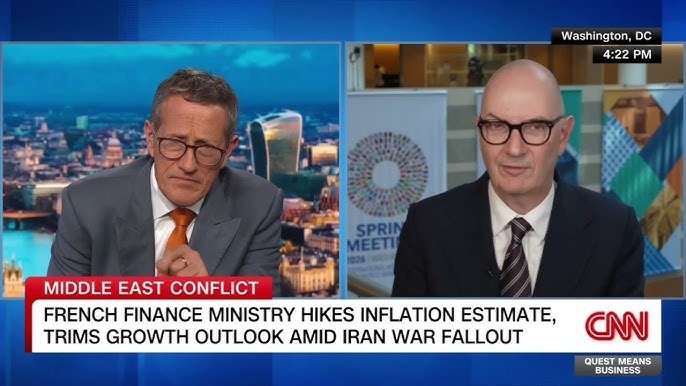
Keeping up with French financial news is important for investors, businesses, economists and anyone who wants to understand the direction of France’s economy. France is one of Europe’s largest economies, so changes in its fiscal policy, financial markets and business environment can influence the wider eurozone.
Financial headlines can sometimes make the picture look complicated. One day, investors may focus on the CAC 40 or French banks. The next, attention may turn to government borrowing, inflation or economic growth.
The key is knowing which indicators matter and how they connect.
Recent economic developments show why this matters. France’s economy recorded no growth in the second quarter of 2026 after contracting in the first quarter, while inflationary pressures and concerns about public finances have continued to attract market attention.
This guide explains the main areas to monitor when following French financial news and how readers can separate useful financial information from short-term market noise.
What Is French Financial News?
French financial news refers to reporting and analysis about France’s economy, financial markets, companies and government finances.
It can include:
- Economic growth and GDP
- Inflation and consumer prices
- Employment and wages
- CAC 40 stock-market movements
- French government bonds
- Banking and financial services
- Corporate earnings
- Business investment
- Government budgets and taxation
- European Central Bank decisions
- International trade
- Currency and interest-rate developments
Reliable financial reporting also helps readers understand why markets move rather than simply showing whether prices went up or down.
For official economic data, readers can use sources such as INSEE and the Banque de France. The Banque de France publishes statistics covering areas such as lending, interest rates, business failures, financial accounts and monetary developments.
France’s Economic Outlook
The French economy remains an important subject for financial markets because economic growth affects corporate earnings, government revenue, employment and investor confidence.
Recent figures highlight some of the challenges facing France. INSEE data reported that economic growth was revised to 0% in the second quarter of 2026, following a contraction in the first quarter. Reuters reported that weak agricultural production, affected by severe weather conditions, contributed to the disappointing result.
Several factors should therefore be watched closely.
Economic Growth
GDP growth provides a broad measure of economic activity. Stronger growth can support businesses and employment, while weak growth can put pressure on government finances and corporate earnings.
Consumer Spending
Household consumption is another important indicator. When consumers spend more, businesses can benefit from higher sales. However, rising living costs or expensive borrowing can reduce household purchasing power.
Business Investment
Investment by French companies can provide clues about future productivity and economic expansion. Businesses generally become more cautious when financing costs rise or economic uncertainty increases.
Public Finances
France’s budget deficit and government debt remain major topics in financial reporting. Investors monitor whether the government can control spending while maintaining economic activity.
The CAC 40 and French Stock Market
The CAC 40 is France’s best-known stock-market index. It tracks major companies listed on Euronext Paris and is widely used as a benchmark for French equities.
Movements in the CAC 40 can reflect several factors, including:
- Corporate earnings
- Interest-rate expectations
- Energy prices
- Global economic growth
- Political developments
- Currency movements
- Investor sentiment
French stocks can also respond to international events. For example, European markets recently experienced volatility as investors assessed bond yields, inflation and geopolitical risks. French equities recovered in late August after a significant sell-off, with major banks among the stocks contributing to the rebound.
For investors, looking beyond the index is important. A rising CAC 40 does not mean every French company is performing well. Different industries can react very differently to economic conditions.
French Government Debt and Bonds
French government bonds, commonly known as OATs, are another major part of the country’s financial system.
Bond investors pay close attention to government borrowing costs. When investors demand higher yields, financing government debt becomes more expensive.
This is particularly relevant when concerns about France’s fiscal position increase. Recent market reporting has highlighted wider spreads between French and German government bonds and increased investor concern about France’s debt and political uncertainty.
Why Bond Yields Matter
Bond yields can influence the wider economy because borrowing costs affect:
- Government financing
- Corporate borrowing
- Mortgage and consumer credit conditions
- Investor asset allocation
- Overall market confidence
A sustained increase in yields can therefore become an important financial-news story.
Banking and Financial Services
France has a large and internationally important banking sector. Major French banks serve consumers, companies and institutional clients across Europe and other markets.
Bank shares are particularly sensitive to:
- Interest-rate expectations
- Loan demand
- Credit quality
- Economic growth
- Bond-market conditions
- Regulatory changes
Recent market movements demonstrated this sensitivity. French banking stocks including BNP Paribas, Société Générale and Crédit Agricole experienced significant declines during a period of heightened concerns about France’s fiscal and political outlook.
For readers following French financial news, bank performance can therefore provide another indication of how investors view the broader economy.
Inflation and Interest Rates
Inflation is one of the most important economic indicators to watch.
When prices rise rapidly, households can lose purchasing power. Businesses may also face higher costs for wages, energy, transportation and materials.
French inflation is also connected to eurozone monetary policy because France uses the euro. The European Central Bank sets monetary policy for the euro area, meaning its interest-rate decisions can influence borrowing conditions across France.
Recent eurozone data showed inflation rising to 3.3% in August 2026 from 2.9% in July, driven largely by higher energy prices. This has increased expectations that the ECB may need to maintain or raise interest rates.
For anyone following French financial news, this connection is crucial: energy prices can affect inflation, inflation can influence ECB policy, and interest rates can affect stocks, bonds, borrowing and investment.
Where to Follow French Financial News
Not all financial news sources provide the same level of detail. A sensible approach is to combine professional journalism with official statistics.
Useful sources include:
Official French Data
INSEE provides economic and statistical information about France, including national accounts and economic indicators. Its financial and economic data are also published using internationally recognized statistical standards.
Banque de France
The Banque de France publishes regular information on monetary developments, lending, interest rates, business activity and financial accounts.
Financial Journalism
Professional financial publications can add context to official numbers by explaining how investors, companies and policymakers are reacting.
Readers interested in international financial reporting can also explore coverage through the Financial Times, particularly when French developments are connected to wider European markets.
A Simple Research Method
When reading a major financial story, try this process:
- Read the headline carefully.
- Check the publication date.
- Look for the original economic data.
- Compare market reaction with the underlying numbers.
- Separate short-term movements from long-term trends.
- Avoid making investment decisions from a single headline.
This approach can make financial information much easier to understand.
How Financial News Affects Investors and Businesses
Financial news can influence markets almost immediately because investors constantly adjust expectations.
For example, suppose inflation rises unexpectedly. Investors may begin expecting higher interest rates. That can push bond yields higher and potentially put pressure on some stock valuations.
Similarly, weak French GDP growth could raise concerns about corporate earnings, employment and government revenue.
Businesses also use financial information when making decisions about:
- Hiring
- Investment
- Expansion
- Borrowing
- Pricing
- Inventory
- International operations
However, one economic report rarely tells the complete story. A better assessment comes from looking at several indicators together.
What to Watch in French Financial News
Readers can create a simple weekly checklist.
| Indicator | Why It Matters |
| CAC 40 | Shows broad French equity-market performance |
| GDP | Measures economic growth |
| Inflation | Tracks changes in consumer prices |
| Bond yields | Indicates government borrowing costs |
| ECB rates | Influences borrowing and financial conditions |
| Business activity | Provides clues about corporate conditions |
| Bank performance | Reflects financial-sector sentiment |
| Public deficit | Helps assess government finances |
| Consumer spending | Indicates household demand |
| Employment | Provides insight into labour-market strength |
Following these indicators together gives a more balanced view than focusing on one dramatic headline.
Key Takeaways
- French financial news covers the economy, markets, banking, government finances and major companies.
- The CAC 40 is an important indicator of French equity-market performance.
- GDP, inflation and consumer spending help explain the health of the French economy.
- Government bond yields are important because they affect public borrowing costs and investor confidence.
- French banks can be sensitive to changes in interest rates, economic growth and political risk.
- ECB monetary policy has a direct influence on financial conditions in France.
- Official sources such as INSEE and Banque de France are valuable for verifying economic data.
- Professional financial journalism can provide useful context around market movements.
- Investors should consider several indicators rather than reacting to a single headline.
FAQs
1. What does French financial news cover?
French financial news covers economic growth, inflation, government finances, stocks, bonds, banks, corporate results, interest rates, investment and other developments affecting France’s financial system.
2. What is the CAC 40?
The CAC 40 is a major French stock-market index made up of leading companies listed in Paris. It is commonly used as a benchmark for French equities.
3. Why is French government debt important?
Government debt matters because investors assess whether France can manage its borrowing sustainably. Changes in investor confidence can influence government bond yields and financing costs.
4. Where can I find reliable French economic data?
INSEE and the Banque de France are two important sources for official French economic and financial statistics. Their publications can help readers verify figures reported in financial media.
5. How do ECB interest rates affect France?
ECB interest-rate decisions influence borrowing costs, savings returns, investment conditions and financial markets across the euro area, including France.
6. Why do French bank stocks move so much?
Bank shares can react strongly to interest-rate expectations, economic growth, credit conditions, bond yields and political or fiscal uncertainty.
7. Should investors rely on financial news alone?
No. Financial news is useful for understanding developments, but investment decisions should consider financial statements, valuation, risk, time horizon and other relevant information.
Conclusion
Following French financial news is about more than checking whether the CAC 40 has risen or fallen. The most useful picture comes from connecting economic growth, inflation, interest rates, government borrowing, business performance and investor sentiment.
France’s recent economic and financial environment demonstrates why these indicators matter. Weak growth, fiscal concerns and changing inflation expectations can influence everything from government bonds to bank shares and the wider European market.
For readers who want broader international financial coverage, the Financial Times can also be a useful starting point for understanding how French developments fit into the European and global financial picture.
The best approach is simple: check current news, verify important figures against reliable sources, understand the wider economic context and avoid drawing conclusions from one headline. That habit makes financial news more useful for investors, business owners and everyday readers alike.
