
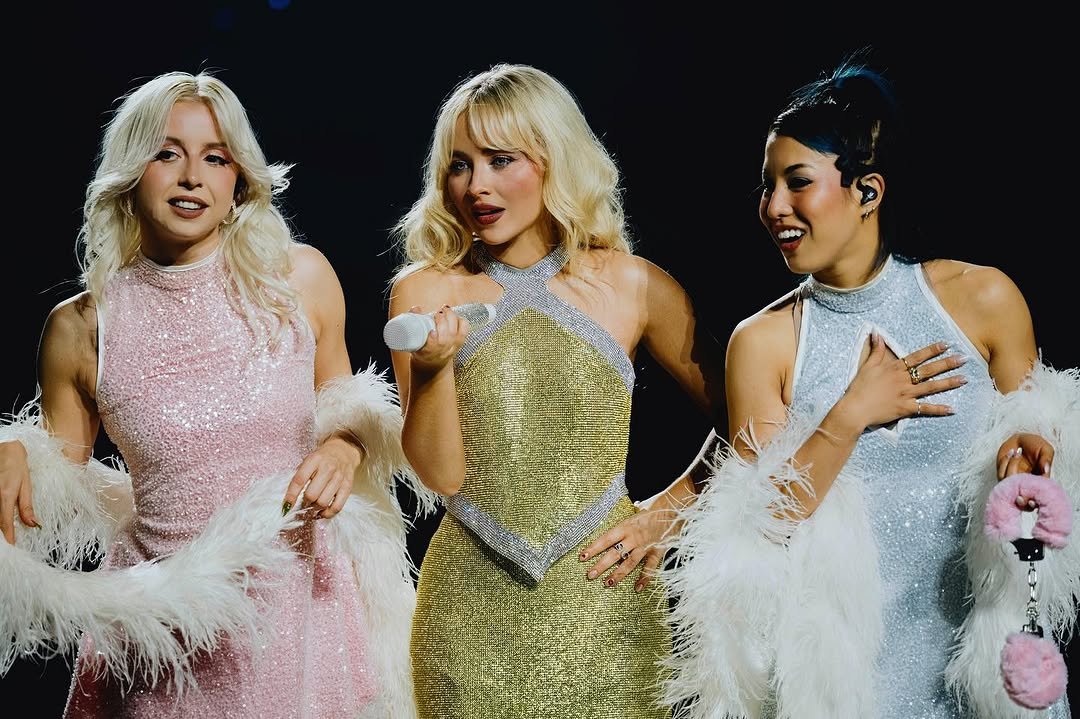
Pop culture is everywhere. You can see it in the songs people play on their phones, the shows they discuss at work, the memes shared in group chats, the clothes inspired by celebrities, and the online trends that suddenly appear across social media.
Unlike traditional culture, which can remain relatively stable for generations, pop culture often changes rapidly. A television series can become a global phenomenon in a few weeks, while a song, dance, meme, or fashion trend can become popular almost overnight.
But pop culture is more than entertainment. It can influence language, fashion, social conversations, consumer behavior, and even the way people understand events happening around them.
This guide explains what pop culture means, where it comes from, its major categories, how social media has changed it, and why it continues to play such an important role in modern society.
What Is Pop Culture?
Pop culture is the collection of entertainment, ideas, trends, products, personalities, and activities that are widely shared or recognized by a society at a particular time.
The term comes from “popular culture,” meaning culture that reaches a broad audience rather than being limited to a small or specialized group.
Common examples include:
- Popular movies and television shows
- Music and famous artists
- Celebrity news
- Social media trends
- Memes and viral videos
- Fashion trends
- Video games
- Sports and major sporting events
- Podcasts and online creators
- Popular books
- Internet slang
- Food and lifestyle trends
One important characteristic is that pop culture is constantly evolving. What dominates public attention today may be forgotten or replaced by something new next year.
Main Elements of Pop Culture
Pop culture covers a wide range of subjects. Some areas have existed for decades, while others have grown because of digital technology.
Movies and Television
Film and television remain major parts of popular culture. A successful movie or streaming series can create memorable characters, catchphrases, fashion trends, and online discussions.
Streaming platforms have also changed how people consume entertainment. Viewers no longer have to wait for a particular broadcast time. They can watch entire seasons whenever they want.
Music
Music is another major part of pop culture. Popular songs often influence fashion, language, social media content, and youth culture.
Artists can also become cultural figures beyond their music. Their interviews, performances, clothing, relationships, and social media activity can generate widespread public interest.
Celebrities
Actors, musicians, athletes, influencers, and other public figures can become important parts of pop culture.
Celebrity culture has changed significantly because social media gives public figures direct communication with their audiences. A post can reach millions of people without traditional media acting as an intermediary.
Fashion and Beauty
Fashion trends often move between entertainment, social media, and everyday life.
A style seen in a popular movie or worn by a major celebrity may quickly become popular among consumers. Social platforms have accelerated this process by allowing trends to spread internationally.
Gaming
Video games have developed into a major entertainment industry and cultural force.
Popular games can create communities, online personalities, tournaments, merchandise, and recognizable characters. Gaming culture now overlaps with music, streaming, sports, and social media.
Examples of Pop Culture
Some examples of pop culture are easy to recognize because they become part of everyday conversations.
| Category | Examples |
|---|---|
| Movies | Blockbusters, superhero films, animated movies |
| Television | Streaming series, reality shows, sitcoms |
| Music | Chart-topping songs, concerts, music videos |
| Social Media | Viral challenges, memes, short-form videos |
| Fashion | Celebrity-inspired clothing and beauty trends |
| Gaming | Popular games, esports, gaming creators |
| Sports | Major tournaments, famous athletes, fan culture |
| Internet | Viral phrases, online communities, digital creators |
These examples show why pop culture is difficult to define with a single category. It is essentially a broad collection of things that attract widespread public attention.
How Pop Culture Changes
Pop culture changes because people’s interests change. New technology, social events, economic conditions, and creative ideas can all influence what becomes popular.
A typical trend may develop like this:
- Someone creates a new song, video, product, style, or idea.
- A small online community discovers it.
- Creators and influencers begin sharing it.
- Social platforms increase its visibility.
- Mainstream media notices the trend.
- Businesses and brands begin responding to it.
- The trend becomes widely recognized.
- Eventually, another trend replaces it.
This process can happen much faster today than it did before the internet.
The Role of Social Media in Pop Culture
Social media has probably been one of the biggest forces changing modern pop culture.
Platforms allow ordinary users, creators, celebrities, and brands to participate in cultural conversations. A person does not need to work for a major television network or record company to reach a large audience.
Algorithms also influence what people see. When thousands or millions of users interact with particular content, platforms may give it even greater visibility.
This has created a culture where trends can emerge from unexpected places.
For example, a relatively unknown song can become popular after appearing repeatedly in short videos. A small fashion trend can spread globally after creators post about it. A humorous phrase can become common internet slang within days.
Pop Culture and Everyday Life
Pop culture affects everyday life in ways people sometimes overlook.
It can influence:
- The clothes people buy
- The music they listen to
- The slang they use
- The entertainment they choose
- The products they purchase
- The celebrities they follow
- The communities they join
- The topics they discuss online
It can even influence how people discover unfamiliar places and cultures.
For example, someone researching Thailand may encounter unfamiliar administrative terms while exploring travel, addresses, or local communities. Understanding concepts such as tambon, a Thai sub-district administrative division, can make that information easier to understand. A useful explanation of the system is available in this [guide to tumbons in Thailand]Tumbons in Thailand guide.
This illustrates how culture and digital content often overlap. People discover entertainment, destinations, traditions, language, and local information through the same online channels.
Positive Effects of Pop Culture
Pop culture is not simply a source of entertainment. It can have several positive effects.
Connecting People
Shared interests give people something to talk about. Fans of the same artist, movie, game, or sports team can form communities even when they live in different countries.
Introducing New Ideas
Movies, music, books, and online content can expose audiences to different lifestyles, languages, traditions, and perspectives.
Supporting Creative Industries
Popular entertainment creates opportunities for writers, actors, musicians, designers, developers, photographers, creators, and many other professionals.
Encouraging Creativity
Trends often inspire people to create their own versions of songs, videos, artwork, fashion, and other content.
Potential Negative Effects
Pop culture can also create challenges.
Constant exposure to celebrity lifestyles may create unrealistic expectations about wealth, beauty, relationships, or success. Social media can also encourage people to compare their everyday lives with carefully edited online content.
Another concern is misinformation. Viral content is not automatically accurate simply because millions of people have viewed or shared it.
For that reason, consumers should think critically about what they see online, especially when entertainment content overlaps with news, health, politics, or other serious subjects.
Pop Culture Around the World
Although American entertainment has historically had significant global influence, modern pop culture is increasingly international.
Korean music and television, Japanese animation and gaming, Indian cinema, European fashion, Latin American music, African entertainment, and creators from many other regions now reach audiences worldwide.
Streaming platforms and social media have reduced many of the traditional barriers between national entertainment markets.
As a result, today’s pop culture is more diverse than ever.
A trend can begin in one country, become popular in another, and then return in a completely different form.
How to Stay Current With Pop Culture
You do not need to follow every trend to understand popular culture.
A practical approach is to follow a few reliable sources across different categories:
- Follow major entertainment publications for breaking entertainment stories.
- Watch or listen to popular releases in moderation.
- Follow creators whose content you genuinely enjoy.
- Explore trends outside your own country.
- Check original sources before believing viral claims.
- Remember that popularity does not necessarily equal quality or accuracy.
The goal should be understanding cultural trends rather than feeling pressured to participate in every one.
Key Takeaways
- Pop culture means widely shared entertainment, trends, ideas, and behaviors.
- Movies, music, television, celebrities, gaming, fashion, sports, and social media are major parts of it.
- Social media has dramatically increased the speed at which trends spread.
- Pop culture can connect communities and introduce people to different cultures.
- It can also create unrealistic expectations and spread misleading information.
- Modern pop culture is increasingly global rather than being dominated by a single country.
- Critical thinking is important when consuming viral entertainment and online trends.
FAQs About Pop Culture
1. What is pop culture in simple words?
Pop culture is the collection of entertainment, trends, ideas, and personalities that become popular with large numbers of people. It includes movies, music, celebrities, fashion, social media, gaming, sports, and internet trends.
2. What are the main examples of pop culture?
Major examples include popular movies, television programs, music, celebrities, fashion, video games, sports, memes, social media trends, podcasts, and online creators.
3. Why is pop culture important?
Pop culture is important because it reflects what people are interested in and can influence communication, fashion, entertainment, consumer choices, and social conversations.
4. How does social media affect pop culture?
Social media allows trends to spread extremely quickly. Users can create, share, remix, and popularize content without relying entirely on traditional media companies.
5. Is pop culture the same in every country?
No. Pop culture varies between countries and communities. However, the internet has made it easier for cultural trends from one part of the world to become popular elsewhere.
6. Does pop culture influence young people?
Yes. Young people can be influenced by popular music, celebrities, online creators, fashion, games, and social media trends. The impact can be positive or negative depending on the content and how it is consumed.
7. How quickly can a pop culture trend become popular?
There is no fixed timeline. With social media, a trend can spread internationally within hours or days. Other trends may take months or years to become widely recognized.
Conclusion
Pop culture is a constantly changing part of modern life. From movies and music to gaming, fashion, celebrities, sports, and social media, it influences what people watch, discuss, buy, create, and share.
Its biggest change in recent years has been speed. Digital platforms allow ideas to travel across borders almost instantly, giving creators and audiences more influence than ever before.
At the same time, being popular does not automatically make something accurate, valuable, or trustworthy. The smartest way to engage with pop culture is to enjoy it while maintaining a critical eye.
Ultimately, pop culture matters because it reflects the interests and conversations of society at a particular moment. Understanding it can provide a useful window into how people communicate, connect, and express themselves in the modern world.
