
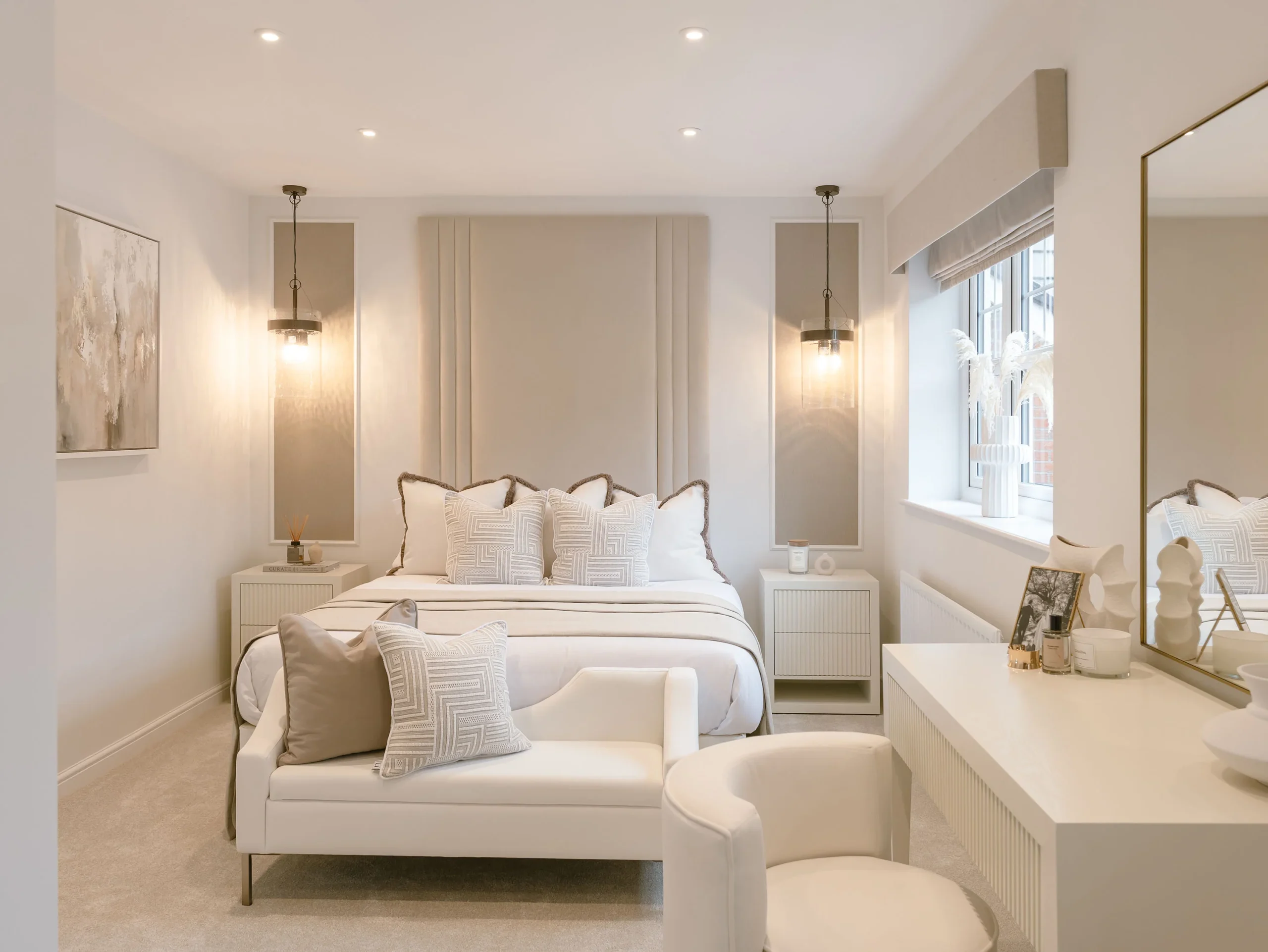
A well-designed home is about more than expensive furniture or following the latest decorating trend. The best spaces usually have something more personal about them: they work for the people who live there.
That is the idea behind lifestyle homes and interiors. Instead of choosing a style simply because it looks good in a magazine, lifestyle-led design starts with everyday habits, priorities, and preferences. A family with young children may need durable surfaces and clever storage, while someone working from home might care more about natural light and a comfortable workspace.
Good interior design brings these practical needs together with personality. The result is a home that looks attractive without sacrificing comfort or usability.
Whether you’re furnishing a new property, refreshing one room, or planning a complete renovation, understanding lifestyle-based design can help you make better choices and avoid expensive mistakes.
What Are Lifestyle Homes and Interiors?
Lifestyle homes and interiors are designed around the way residents use and experience their homes.
Rather than beginning with a fixed decorating style, this approach asks practical questions such as:
- How does the household spend most of its time?
- Does the home need dedicated work or study areas?
- How much storage is necessary?
- Is entertaining guests important?
- Are there children or pets to consider?
- Which rooms need to feel calm and private?
- How much maintenance is realistic?
The answers influence everything from furniture selection and room layouts to lighting, flooring, colors, and accessories.
For example, an open-plan kitchen and dining area can work particularly well for someone who enjoys hosting friends. On the other hand, someone who values quiet evenings might benefit from a comfortable reading corner or a separate relaxation space.
The goal isn’t to create a perfect-looking house. It’s to create a home that supports real life.
Why Lifestyle Should Shape Interior Design
Interior design decisions can affect how comfortable, productive, and relaxed you feel at home.
A beautiful sofa that doesn’t fit the room, a kitchen with insufficient storage, or a bedroom with harsh lighting can quickly become frustrating. Lifestyle-first planning helps prevent these problems.
Function Comes First
Before buying anything, think about how the room will actually be used.
A living room might need to accommodate television viewing, conversations, children’s activities, reading, and occasional guests. A single furniture arrangement may not suit all of these activities.
Consider flexible solutions such as:
- Modular seating
- Nesting tables
- Storage ottomans
- Extendable dining tables
- Movable lamps
- Built-in shelving
Comfort Matters
A home should feel good as well as look good. Comfortable seating, appropriate temperatures, useful lighting, and practical room layouts all contribute to that feeling.
Don’t choose furniture based solely on appearance. Consider dimensions, materials, maintenance requirements, and how often each item will be used.
Personal Character
Trends come and go, but personal style tends to have more staying power.
Photographs, artwork, books, travel finds, handmade pieces, and family heirlooms can give rooms character. Even a minimalist interior can feel personal when carefully selected objects are included.
Key Elements of a Lifestyle-Focused Home
Several design elements work together to create a functional and welcoming interior.
| Element | What to Consider |
| Layout | Movement, furniture placement, and room purpose |
| Lighting | Natural light, task lighting, and ambient lighting |
| Color | Mood, room size, and existing finishes |
| Furniture | Comfort, scale, durability, and flexibility |
| Storage | Everyday clutter, seasonal items, and organization |
| Materials | Maintenance, texture, durability, and appearance |
| Accessories | Personality, visual interest, and practicality |
Lighting
Lighting can completely change the atmosphere of a room.
Whenever possible, make the most of natural daylight. Then layer different artificial light sources to suit different activities.
A useful lighting plan can include:
- Ambient lighting for general illumination.
- Task lighting for activities such as reading or cooking.
- Accent lighting for artwork, shelves, or architectural features.
Using several sources allows you to change the atmosphere throughout the day.
Color and Texture
Color doesn’t need to dominate a room to have an impact. Neutral walls can provide a flexible foundation, while cushions, rugs, artwork, curtains, and smaller furniture pieces can introduce stronger colors.
Texture is equally important. Combining wood, fabric, glass, metal, stone, or natural fibers can prevent a neutral room from feeling flat.
Storage
Good storage is one of the most useful features of any home.
Instead of adding storage only after clutter becomes a problem, plan it from the beginning. Under-stair cabinets, built-in wardrobes, storage benches, floating shelves, and multi-purpose furniture can make better use of limited space.
Popular Interior Styles to Consider
There is no single correct style for a lifestyle home. Your preferred look should support the way you want the space to feel.
Modern Minimalism
Modern minimalist interiors typically use clean lines, simple forms, and limited visual clutter.
This style can work well for people who prefer calm surroundings and easy maintenance. However, minimalism doesn’t mean removing everything. Practical storage and carefully chosen decorative pieces can keep the space comfortable.
Scandinavian-Inspired Interiors
Scandinavian design is often associated with light colors, natural materials, functional furniture, and a comfortable atmosphere.
Its emphasis on simplicity makes it suitable for homes where practicality and warmth are equally important.
Contemporary Interiors
Contemporary spaces often combine current design ideas with clean architectural details and a mix of materials.
The style can be adapted easily because it doesn’t require every element to come from the same design period.
Traditional and Classic Design
Traditional interiors may feature richer colors, decorative details, classic furniture, and established patterns.
They can be particularly appealing to homeowners who prefer timeless character over rapidly changing trends.
How to Design Different Areas of the Home
Every room has a different purpose, so lifestyle-based design should be adapted accordingly.
Living Room
Start by identifying the room’s main activities. If conversation is important, arrange seating to encourage interaction rather than pointing everything toward a television.
A rug can help visually define the seating area, while side tables and floor lamps add practical convenience.
Kitchen
A kitchen needs to balance appearance with workflow.
Think about how ingredients move from storage to preparation and then to cooking. Keep frequently used items within easy reach and avoid filling work surfaces with unnecessary appliances.
If the kitchen also functions as a social area, comfortable seating or a kitchen island can create a natural gathering point.
Bedroom
Bedrooms should support rest and relaxation.
Choose comfortable bedding, appropriate lighting, and colors that create the atmosphere you prefer. Keep unnecessary electronics and clutter under control if they interfere with winding down.
Storage should also be considered carefully so clothing and personal items don’t overwhelm the room.
Home Office
Working from home requires a space that supports concentration.
A suitable desk, supportive chair, adequate lighting, and organized storage can make a significant difference. If space is limited, a compact workstation can be integrated into a bedroom, living area, or unused corner.
Practical Tips for Creating a Personal Interior
You don’t need to redesign your entire property at once.
Try this process:
1. Identify Your Priorities
Write down the three things you want your home to do better. It could be storage, entertaining, relaxation, working, or simply feeling less cluttered.
2. Measure Before Shopping
Measure rooms, doors, windows, and available floor space before ordering furniture. A piece that looks perfect online may overwhelm a small room.
3. Create a Simple Color Palette
Choose a few complementary colors and repeat them throughout the space. This helps different rooms feel connected without making them identical.
4. Invest in Frequently Used Items
Spend more carefully on things you use every day, such as a sofa, mattress, dining chair, or desk chair. Decorative items can often be changed more easily later.
5. Add Personality Gradually
There’s no need to fill every empty surface immediately. Live in the space and notice what it needs. Personal pieces collected over time often create a more authentic interior than buying everything in one weekend.
Common Interior Design Mistakes to Avoid
Even well-intentioned design projects can go wrong.
Ignoring scale: Oversized furniture can make a room feel cramped, while furniture that’s too small may look disconnected.
Following trends too closely: A fashionable room may quickly feel dated if every element follows one short-lived trend.
Poor lighting: Relying on a single ceiling fixture can make an otherwise attractive room feel harsh or dull.
Forgetting storage: Attractive design doesn’t help if everyday belongings have nowhere to go.
Buying everything at once: Rushing the process often leads to mismatched furniture and unnecessary purchases.
Prioritizing appearance over comfort: A home should be enjoyable to live in, not simply attractive in photographs.
Key Takeaways
- Lifestyle should influence interior design decisions from the beginning.
- Functionality and comfort are just as important as appearance.
- Good lighting can improve both atmosphere and usability.
- Storage should be planned before clutter becomes a problem.
- Furniture should suit the room’s size and purpose.
- Personal belongings can give an interior genuine character.
- Timeless choices often provide better long-term value than short-lived trends.
- The best home interiors evolve as people’s needs change.
FAQs
What does lifestyle interior design mean?
Lifestyle interior design means planning a home around the residents’ habits, needs, preferences, and daily routines. It combines practical functionality with personal style.
How can I make my home feel more personal?
Use meaningful items such as photographs, artwork, books, family pieces, or objects collected during travels. Choose colors, materials, and furniture that reflect your preferences rather than copying a complete showroom look.
What is the most important part of interior design?
There isn’t one universal answer, but functionality, comfort, lighting, scale, and layout are fundamental. A room should work well for its intended purpose before decorative details are added.
How do I choose an interior style?
Start by looking at rooms you genuinely enjoy rather than selecting a style name first. Notice recurring colors, materials, furniture shapes, and levels of decoration. Then choose elements that fit your lifestyle and property.
How can I improve a small home?
Use furniture that fits the available scale, prioritize useful storage, keep walkways clear, and make good use of vertical space. Mirrors and well-planned lighting can also help a small room feel more open.
Should every room have the same design style?
Not necessarily. Rooms can have different personalities while sharing a few connecting elements, such as a consistent color palette, flooring material, or architectural detail.
How often should I update my home’s interior?
There is no fixed schedule. Instead of completely redesigning your home whenever trends change, refresh smaller elements such as textiles, artwork, lighting, or accessories when your needs or preferences change.
Conclusion
The strongest lifestyle homes and interiors aren’t necessarily the most expensive or trend-driven. They’re the spaces that make everyday life easier, more comfortable, and more enjoyable.
Start with the way you live. Think about how each room is used, where clutter tends to collect, what furniture provides genuine comfort, and which details make the space feel like yours.
Once those foundations are right, style becomes much easier to build. Whether your taste leans toward minimalism, Scandinavian simplicity, contemporary design, or classic interiors, the most successful home is one that works for the people who live in it.
Learn About: Maks Home Improvements
