
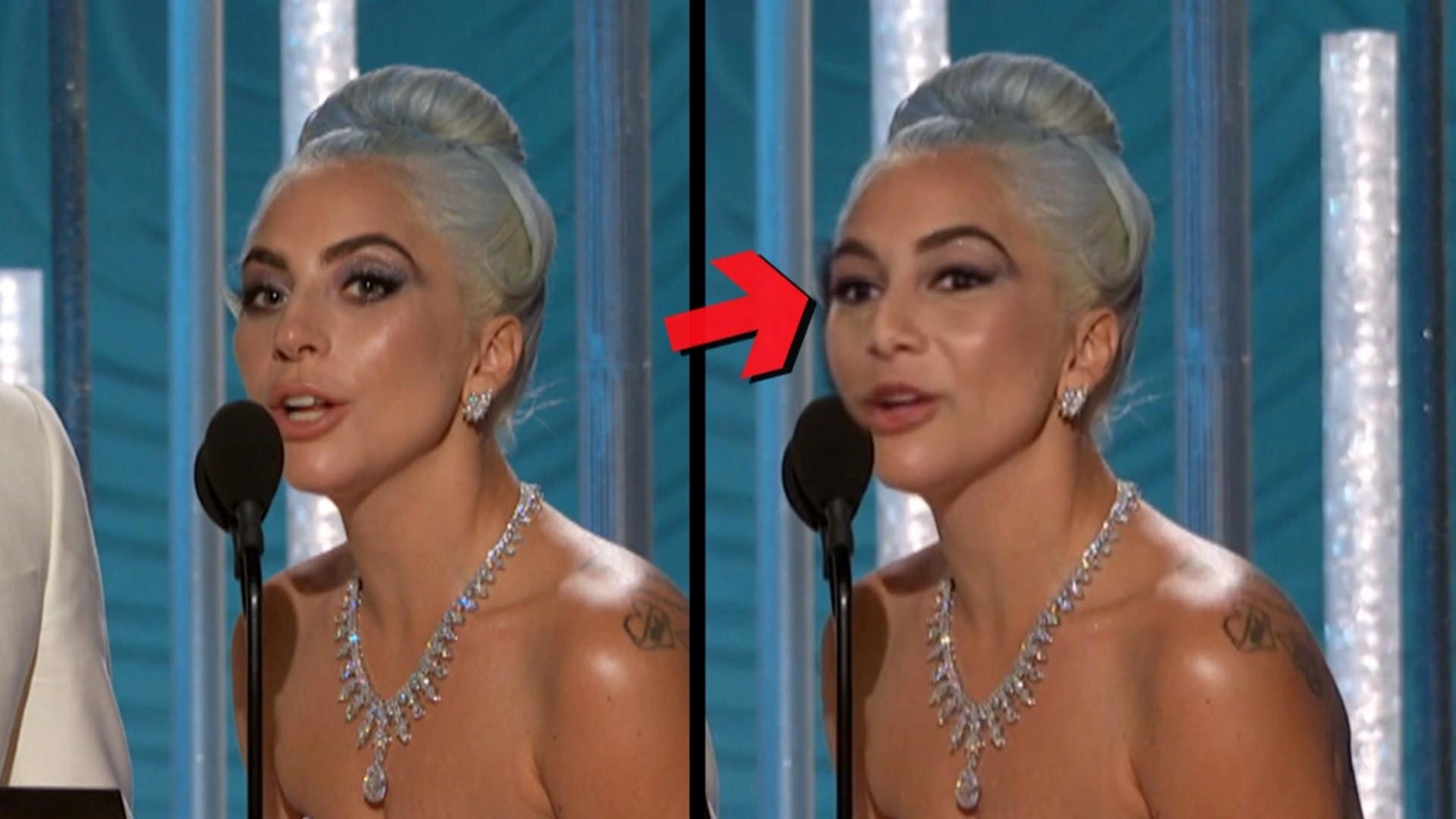
Artificial intelligence has changed the way digital content is created. Today, advanced AI tools can generate realistic faces, voices, and videos that look remarkably convincing. One of the most visible applications is the creation of deepfake celebrities, where a celebrity’s face or voice is digitally altered or synthesized to create content that may not represent reality.
A deepfake can be difficult to recognize at first glance. A video may show a famous actor promoting a product, a singer appearing to make a controversial statement, or a public figure seemingly speaking in their own voice. However, the person may never have recorded the video or made the statement.
This technology isn’t automatically harmful. Filmmakers, artists, researchers, and educators can use synthetic media for legitimate creative purposes. The problem begins when realistic AI-generated content is presented as authentic or used without appropriate permission.
Understanding how celebrity deepfakes work, why they are created, and how to identify suspicious content can help internet users make better decisions.
What Are Deepfake Celebrities?
Deepfake celebrities are AI-generated or digitally manipulated media featuring recognizable public figures. The technology can manipulate a person’s face, voice, expressions, or movements to produce content that appears authentic.
The term “deepfake” combines deep learning, a form of machine learning, with the word “fake.” Modern generative AI systems can create or modify visual and audio content with increasing realism.
Celebrity deepfakes can include:
- AI-generated videos
- Face-swapped footage
- Synthetic celebrity voices
- AI-generated photographs
- Digitally altered interviews
- Fake advertisements
- Fabricated social media posts or clips
The most important point is that seeing and hearing a celebrity in a piece of content does not necessarily prove that the content is genuine.
How Celebrity Deepfakes Are Created
Deepfake technology relies on artificial intelligence models trained to understand patterns in images, video, and audio.
For example, a system may analyze many photographs and video clips of a person to learn characteristics such as facial structure, expressions, and movements. Voice-generation systems can similarly learn patterns in speech, including pronunciation, tone, and rhythm.
A simplified process may look like this:
- Source material is collected — Images, videos, or audio samples may be used as reference material.
- AI analyzes the material — A model learns visual or vocal characteristics.
- Synthetic content is generated — The system creates or modifies media.
- Editing improves the result — Lighting, movement, sound, and timing may be adjusted.
- The final content is shared — It may appear on social networks, websites, messaging platforms, or video services.
The quality varies considerably. Some deepfakes are obvious, while advanced synthetic media can be much harder to identify.
Why Are Celebrities Common Targets?
Celebrities have a large amount of publicly available media. Interviews, movie scenes, photographs, performances, podcasts, and social media posts can provide abundant material for AI systems.
Their fame also makes manipulated content more likely to attract attention.
A fake video involving an unknown person might receive little interest. A fake video involving a globally recognized celebrity can potentially generate thousands or millions of views.
There are several reasons celebrities are particularly attractive targets:
| Reason | Why It Matters |
| Large digital footprint | More photos and videos may be publicly available |
| Public recognition | Viewers immediately recognize the person |
| High engagement | Celebrity content often attracts attention |
| Commercial value | Fake endorsements can be used in scams |
| News interest | Controversial clips can spread quickly |
Common Uses of Celebrity Deepfakes
Not every AI-generated celebrity image or video is created with malicious intent. Context and consent matter.
Entertainment and Creative Projects
Synthetic media can be used in films, visual effects, parody, experimental art, and other creative projects. Proper disclosure can help viewers understand that the content isn’t authentic footage.
Education and Research
Researchers may study synthetic media to understand AI capabilities, misinformation, authentication, or digital security.
Marketing and Advertising
AI-generated celebrity-style content can create serious concerns when viewers are led to believe that a celebrity genuinely endorsed a product.
Any commercial use involving a recognizable person’s identity should be approached carefully, especially when permission, publicity rights, or disclosure requirements apply.
Fraud and Impersonation
One of the most concerning uses involves scams. Fraudsters may use an AI-generated face or cloned voice to make a fake endorsement, investment promotion, or social media message appear credible.
Risks of Deepfake Celebrities
The rapid improvement of synthetic media creates several risks for celebrities and ordinary internet users.
Reputation Damage
A fabricated video can make someone appear to say or do something that never happened. If viewers believe it is genuine, the person’s reputation may suffer before the false information is corrected.
Financial Scams
Fake celebrity endorsements can make questionable investments, products, or services appear legitimate. Scammers may use familiar faces to create trust.
Misinformation
Deepfakes can spread false claims rapidly, particularly when a video is emotionally provocative or connected to a major news event.
Privacy and Consent
Using someone’s face or voice without authorization can raise important ethical and legal questions. Laws vary by country and situation, so people should not assume that every use of someone’s likeness is automatically lawful.
Loss of Trust
As synthetic content becomes more realistic, people may begin doubting genuine recordings as well. This creates a broader problem often described as the “liar’s dividend”: authentic evidence can be dismissed simply because fake media exists.
How to Spot a Celebrity Deepfake
Detecting advanced AI-generated content isn’t always easy. There is no single visual clue that works every time.
Still, several warning signs can help.
Look for Visual Inconsistencies
Check for:
- Unnatural facial expressions
- Strange eye movements
- Inconsistent lighting
- Blurry edges around the face
- Unusual teeth or mouth movements
- Distorted hands or objects
- Facial features changing between frames
These signs aren’t definitive proof. Real videos can also contain compression artifacts and unusual lighting.
Listen Carefully to the Audio
AI-generated voices may sometimes sound unusually flat, overly clean, or inconsistent with the speaker’s normal rhythm.
Pay attention to pronunciation, pauses, background noise, and whether the mouth movements appear synchronized with the words.
Check the Original Source
Before sharing surprising celebrity content, ask:
- Who posted it?
- Is the account authentic?
- Is the original video available?
- Are reputable sources reporting the same event?
- Does the celebrity’s verified account mention it?
- Does the supposed endorsement link to a trustworthy organization?
Source verification is often more useful than simply trying to “spot the AI.”
How to Protect Yourself From Deepfake Scams
You don’t need advanced technical knowledge to reduce your risk.
1. Slow Down
Scammers often use urgency to encourage people to act before thinking. A surprising celebrity endorsement should be a reason to investigate, not immediately click.
2. Verify the Claim
Search for the claim independently rather than relying on the video or post that introduced it.
3. Don’t Trust a Famous Face Alone
A recognizable face is not proof of an endorsement, investment opportunity, or product recommendation.
4. Check Links Carefully
Look at the website address and company information before entering payment details or personal information.
5. Avoid Sending Money Based on AI-Generated Messages
If a supposed celebrity, friend, executive, or public figure asks for money through an unexpected message, verify the request through another trusted channel.
6. Report Suspicious Content
Social platforms often provide reporting mechanisms for impersonation, fraud, manipulated media, or misleading content. Use them when appropriate.
Responsible Use of AI Celebrity Content
AI-generated celebrity content can be creative and entertaining when used responsibly. The key principles are consent, transparency, context, and respect.
Creators should clearly label synthetic or manipulated media when viewers could reasonably mistake it for genuine footage. They should also avoid using AI to falsely imply that a person supports a product, political position, financial opportunity, or controversial statement.
A responsible approach asks three simple questions:
- Could someone mistake this for real content?
- Does it use a person’s identity without appropriate permission?
- Could it cause financial, personal, or reputational harm?
If the answer to these questions raises concerns, the content should be reconsidered before publication.
Key Takeaways
- Deepfake celebrities are AI-generated or digitally manipulated representations of famous people.
- Deepfakes can involve faces, voices, photographs, or videos.
- Not every synthetic celebrity image is harmful; context and consent matter.
- Fake celebrity endorsements can be used in scams.
- Visual clues can help, but they aren’t always reliable.
- Checking the original source is one of the best ways to verify suspicious content.
- Don’t send money or personal information based solely on an AI-generated celebrity video.
- Responsible creators should provide clear context when synthetic media could be mistaken for real footage.
- Laws concerning likeness, privacy, publicity rights, and deceptive advertising vary by jurisdiction.
FAQs
What are deepfake celebrities?
They are AI-generated or manipulated images, videos, or audio that imitate recognizable celebrities.
Are celebrity deepfakes always illegal?
No. Legality depends on factors such as consent, purpose, jurisdiction, and how the content is used.
How can I identify a celebrity deepfake?
Look for inconsistencies, but also verify the original source and check reliable reporting.
Can deepfakes clone a celebrity’s voice?
Yes. AI voice systems can generate speech that resembles a person’s voice.
Why are celebrity deepfakes dangerous?
They can enable scams, misinformation, impersonation, and reputational harm.
Can deepfake videos be detected?
Some can be detected with specialized tools, but no detection method is perfect.
Should AI-generated celebrity content be labeled?
Yes, clear labeling is advisable when viewers could mistake synthetic content for authentic footage.
Conclusion
Deepfake celebrities represent both the creative potential and the risks of modern artificial intelligence. AI can produce impressive visual and audio effects, but realistic synthetic media can also be used to mislead audiences, impersonate public figures, and support scams.
The best defense is a combination of technology and common sense. Don’t assume that a convincing face or familiar voice proves authenticity. Check the source, verify important claims through independent channels, and be especially cautious when a celebrity video asks you to buy something, invest money, provide personal information, or take immediate action.
Learn More About: Actress Natalie Schafer
