
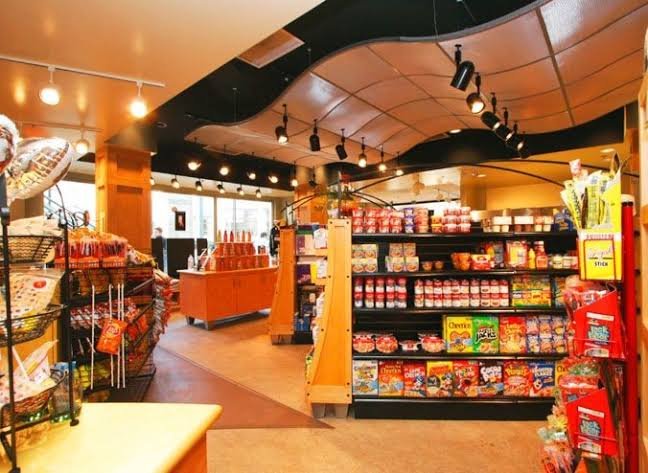
Starting a retail store business can be an attractive way to turn a product idea or market opportunity into a sustainable source of income. Retail businesses range from small neighborhood shops and specialty stores to large stores with both physical and online operations.
However, opening a store involves more than renting a space and filling it with products. Retail success depends on understanding customers, selecting products that people actually want, controlling operating costs, managing stock efficiently, and creating a shopping experience that encourages customers to return.
Whether you want to open a clothing shop, grocery store, electronics shop, beauty store, home goods business, or another retail operation, careful planning can reduce unnecessary risks and improve your chances of long-term growth.
What Is a Retail Store Business?
A retail store business purchases products from manufacturers, wholesalers, distributors, or other suppliers and sells them directly to consumers. The retailer earns revenue from product sales while managing expenses such as inventory, rent, employee wages, utilities, marketing, technology, and payment processing.
Retail can operate through several channels:
- Physical stores
- E-commerce websites
- Social media shops
- Marketplaces
- Pop-up stores
- A combination of online and offline channels
For example, a local clothing retailer might operate a storefront while also accepting orders through its website. This approach allows the business to serve nearby customers while reaching shoppers outside its immediate area.
How Does a Retail Business Work?
The basic retail business model is straightforward:
Source products → Store inventory → Market products → Sell to customers → Manage costs → Reinvest in growth
Profit depends on more than sales volume. A store can generate substantial revenue and still struggle financially if its inventory costs, rent, payroll, discounts, and other expenses are too high.
Retail owners should therefore monitor metrics such as:
- Sales revenue
- Gross profit margin
- Average transaction value
- Inventory turnover
- Customer retention
- Operating expenses
- Return and refund rates
Understanding these numbers helps identify which products and activities are contributing to the business and which need improvement.
Popular Types of Retail Stores
There is no single format for a retail business. The best model depends on the market, available capital, product category, and customer preferences.
1. Specialty Stores
Specialty retailers focus on a particular product category or customer group. Examples include footwear stores, pet shops, bookstores, and sporting goods retailers.
Their advantage is specialization. Customers often visit because they expect deeper product knowledge and a carefully selected range.
2. Grocery and Convenience Stores
These businesses sell everyday necessities such as food, beverages, household supplies, and personal-care products. Location and convenience are particularly important in this category.
3. Clothing and Fashion Stores
Fashion retailers sell clothing, accessories, shoes, and related products. Trends, product presentation, customer service, and seasonal inventory can strongly influence performance.
4. Electronics Stores
Electronics retailers may sell phones, computers, accessories, appliances, and other technology products. Product knowledge and after-sales support can be important competitive advantages.
5. Online Retail Stores
An online retail business sells products through an e-commerce website or marketplace. It can reduce the need for expensive storefront space, although businesses still need to account for website development, shipping, advertising, returns, and fulfillment.
How to Start a Retail Store Business
A structured approach can make the process easier to manage.
1. Research the Market
Start by identifying what customers need and what competitors already offer.
Research:
- Customer demographics
- Purchasing habits
- Local demand
- Competitor prices
- Product gaps
- Market trends
- Potential suppliers
Don’t assume that a product will sell simply because you personally like it. Evidence from customer research is more useful than personal assumptions.
2. Choose a Business Concept
Define exactly what your store will sell and who it will serve.
For example, instead of opening a general clothing shop, you might focus on affordable professional clothing for young adults. A clearer concept makes product selection and marketing easier.
3. Create a Business Plan
Your business plan should explain how the store will operate and make money.
Include:
| Area | What to Consider |
| Products | What will you sell? |
| Customers | Who is your ideal buyer? |
| Competition | Who already serves the market? |
| Location | Where will customers shop? |
| Suppliers | Where will inventory come from? |
| Pricing | What will customers pay? |
| Costs | What are your fixed and variable expenses? |
| Marketing | How will people discover your store? |
| Financial goals | What sales and profit levels are needed? |
4. Calculate Startup Costs
Retail startup costs vary considerably by business type and location. Common expenses include:
- Business registration and permits
- Store rent and deposit
- Renovations and signage
- Shelving and displays
- Point-of-sale equipment
- Initial inventory
- Packaging
- Insurance
- Website and e-commerce setup
- Advertising
- Employee costs
Keep some working capital available rather than spending the entire budget on opening inventory and store design.
Choosing the Right Products
Product selection can determine whether a retail store succeeds or struggles.
Look for products that have:
- Consistent customer demand
- Suitable profit margins
- Reliable suppliers
- Reasonable storage requirements
- Manageable return rates
- Potential for repeat purchases
Avoid filling the store with too many products at the beginning. A smaller, carefully selected assortment can make inventory easier to manage.
Track which products sell quickly and which remain on shelves. Slow-moving stock ties up cash and may eventually require discounts.
Finding a Good Store Location
For a physical retail store, location can have a major effect on customer traffic.
Consider:
- Foot traffic
- Parking availability
- Nearby businesses
- Visibility from the road
- Accessibility
- Local demographics
- Rent
- Safety
- Competition
A busy location isn’t automatically the best location. A store selling premium home furnishings, for example, may benefit more from the right customer demographic than from maximum pedestrian traffic.
Before signing a lease, estimate whether expected sales can realistically support the rent and other occupancy costs.
Managing Retail Inventory
Inventory management is one of the most important operational tasks in retail.
Too much inventory can trap money in unsold products, while too little can cause stockouts and lost sales.
A practical inventory system should help you:
- Track stock levels.
- Identify fast- and slow-moving products.
- Monitor purchase orders.
- Set reorder points.
- Reduce shrinkage and errors.
- Review seasonal demand.
Retail software and point-of-sale systems can automate much of this process and provide useful sales data.
Pricing Products for Profit
Retail pricing should cover the product’s cost while contributing enough margin toward operating expenses and profit.
A simple starting point is:
Gross Profit = Selling Price − Product Cost
For example, if a product costs $30 and sells for $50, the gross profit before other expenses is $20.
However, pricing decisions should also consider competitors, customer expectations, demand, taxes, shipping, payment fees, discounts, and operating costs.
Avoid competing only on price. Better service, product selection, convenience, warranties, expertise, and customer experience can give a retailer other ways to stand out.
Marketing a Retail Store
A strong marketing strategy combines local and digital channels.
Local Marketing
For a physical store, consider:
- Clear storefront signage
- Local partnerships
- Community events
- Loyalty programs
- Referral offers
- Local search visibility
- In-store promotions
Digital Marketing
Digital channels can help retailers reach customers before they visit or purchase.
Useful activities include:
- Maintaining an updated website
- Publishing helpful product information
- Optimizing for local search
- Email marketing
- Social media content
- Paid advertising
- Customer reviews
High-quality product photos and accurate descriptions are especially important for online retail.
Don’t try every marketing channel at once. Start with the channels most closely connected to your target customers and measure the results.
Common Retail Business Challenges
Retailers commonly face several challenges.
Rising Operating Costs
Rent, wages, utilities, shipping, and supplier prices can reduce margins. Regularly reviewing expenses can help identify unnecessary costs.
Inventory Problems
Overstocking and stockouts both create problems. Using sales data to forecast demand can improve purchasing decisions.
Strong Competition
Customers have more choices than ever, particularly because online shopping allows them to compare prices quickly. Retailers need a clear reason for customers to choose them.
Changing Customer Expectations
Customers increasingly value convenience, fast communication, easy returns, personalized service, and flexible purchasing options.
Cash Flow Management
A profitable store can still experience cash-flow problems if too much money is tied up in inventory or customers pay slowly in business-to-business transactions.
Key Takeaways
- A successful retail store business starts with clear customer and market research.
- Choose products based on demand, profitability, and supplier reliability.
- Location matters, but the best location is the one that fits your target customer and budget.
- Track inventory closely to avoid excess stock and stockouts.
- Set prices based on costs, competition, demand, and desired margins.
- Combine local promotion with digital marketing.
- Monitor sales, margins, inventory turnover, and operating expenses.
- Focus on customer experience to encourage repeat purchases.
- Keep sufficient working capital for unexpected expenses and slower sales periods.
FAQs
1. Is a retail store business profitable?
A retail store can be profitable, but profitability depends on factors such as product margins, sales volume, operating expenses, inventory management, competition, and customer demand. Careful financial planning is essential.
2. How much money is needed to start a retail store?
There is no universal startup amount. Costs vary according to the product category, store size, location, inventory requirements, staffing, and whether the business operates online, offline, or through both channels.
3. What is the most important factor in retail success?
There isn’t one factor that guarantees success. Strong customer demand, suitable products, effective inventory management, competitive pricing, good service, and controlled expenses all contribute to a healthy retail operation.
4. Can I start a retail store online?
Yes. An online retail store can sell through an independent e-commerce website, established marketplaces, or social commerce channels. You still need reliable suppliers, inventory management, secure payments, customer support, and an effective fulfillment process.
5. How can a small retail store compete with large businesses?
Small retailers can compete through specialization, personalized service, local knowledge, unique products, stronger customer relationships, and a convenient shopping experience. They don’t necessarily need to beat large competitors on price.
6. Why is inventory management important in retail?
Inventory represents money invested in products. Effective inventory management helps prevent excessive stock, reduce stockouts, identify slow-moving products, and maintain healthy cash flow.
7. Should a retail business have an online presence?
For many retailers, an online presence is valuable even when most sales happen in a physical store. A website and social profiles can help customers discover products, check opening hours, read reviews, and contact the business.
Conclusion
Building a successful retail store business requires more than having attractive products or a good storefront. Sustainable retail businesses understand their customers, manage inventory carefully, control costs, price products intelligently, and continually improve the shopping experience.
Start with a focused business concept and realistic financial plan. Research your market before investing heavily in inventory, choose suppliers carefully, and track performance from the beginning. As the business grows, use customer feedback and sales data to decide which products, marketing channels, and operational improvements deserve more investment.
Whether you operate a neighborhood shop, specialty store, online retailer, or omnichannel business, the same principle applies: understand what customers value and build the business around delivering it consistently.
Learn About: Supermaked
