
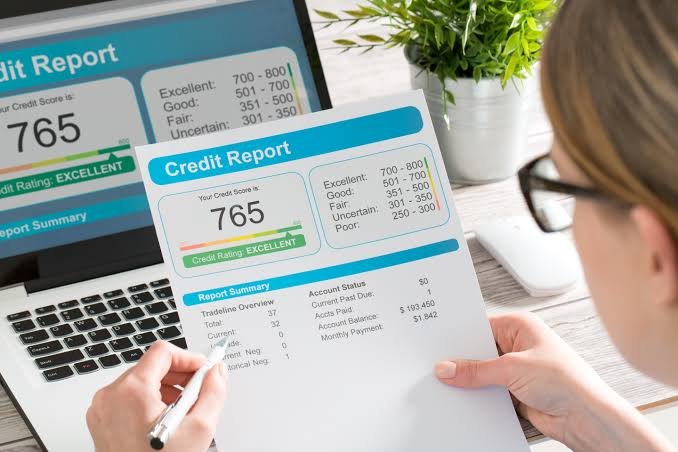
Your business’s financial reputation can affect whether you qualify for financing, receive favorable payment terms, or secure relationships with suppliers. One of the main tools used to evaluate that reputation is a business credit report.
A business credit report provides information about a company’s credit history and financial behavior. Depending on the reporting agency and available data, it may include company identification details, payment history, credit accounts, public records, and a business credit score or rating.
Understanding these reports is important for both established companies and new businesses. Reviewing your report regularly can help you identify inaccurate information, monitor your credit profile, and take steps to build a stronger business credit history.
What Is a Business Credit Report?
A business credit report is a record of a company’s credit-related activity and financial information. It is used to help businesses and other organizations assess the financial reliability of a company.
Business credit reports are commonly created by commercial credit reporting agencies using information gathered from creditors, suppliers, public records, business registrations, and other sources.
Depending on the provider, a report may contain:
- Business name and identifying information
- Company address and registration details
- Industry classification
- Credit accounts
- Payment history
- Outstanding balances
- Trade payment information
- Collections or other negative information
- Public records, where available
- Business credit scores or ratings
Not every business will have the same information available. A small or newly established company may have a limited credit file because it has not yet built enough commercial credit activity.
How Business Credit Reports Work
When a company opens certain credit accounts or establishes trade relationships, information about those accounts may become part of its commercial credit profile.
For example, suppose a small construction company purchases materials from a supplier with 30-day payment terms. If the supplier reports payment activity to a commercial credit bureau, those transactions may contribute to the company’s business credit history.
A lender reviewing the company’s application may then consider its commercial credit information alongside other factors, such as revenue, cash flow, financial statements, collateral, and the company’s overall application.
Who May Use Business Credit Reports?
Business credit information can be useful to:
- Banks and commercial lenders
- Suppliers and vendors
- Insurance companies
- Potential business partners
- Leasing companies
- Other businesses considering payment terms
The information used and the importance assigned to it vary by organization.
What Information Is Included in Business Credit Reports?
There is no single standard format for every business credit report. Different commercial credit reporting agencies collect and display different information.
| Information | What It Can Show |
| Business identification | Company name, address, industry, and related details |
| Credit accounts | Commercial accounts and reported credit relationships |
| Payment history | Whether reported obligations were paid on time |
| Outstanding debt | Reported balances or amounts owed |
| Trade information | Payment experiences reported by suppliers |
| Public records | Certain business-related legal or financial records |
| Credit score/rating | An assessment based on available commercial data |
| Company history | Information about the business and its operations |
One important point: business credit scores are not necessarily calculated the same way as consumer credit scores. Different providers can use different scoring models, data sources, and scales.
Business Credit Reports vs. Personal Credit Reports
Business and personal credit reports serve similar purposes, but they are not the same thing.
A personal credit report generally focuses on an individual’s borrowing and repayment history. A business credit report focuses on the credit activity and financial profile of a company.
Key differences
Business identity:
Business reports are associated with a company, while personal reports are associated with an individual.
Credit data:
Commercial reports focus on business-related credit and payment activity.
Scoring models:
Business credit scores can use different scoring systems from consumer credit scores.
Access and privacy:
Commercial credit information can have different access rules from consumer credit information, depending on the provider and jurisdiction.
Separation of finances:
Keeping business and personal finances separate can make it easier to establish a distinct business credit profile.
This does not mean personal credit is irrelevant. For small businesses, lenders may still review an owner’s personal credit, particularly when the business has limited credit history or when a personal guarantee is required.
Why Business Credit Reports Matter
A strong business credit profile can support several aspects of running a company.
1. Access to Business Financing
Lenders may review commercial credit information when evaluating business financing applications. A stronger credit history can help demonstrate that a company has managed its reported obligations responsibly.
However, credit information is only one part of a lending decision.
2. Better Supplier Relationships
Suppliers sometimes use commercial credit information before offering payment terms.
For example, a supplier may be more comfortable offering net-30 terms to a company with an established payment history than to a business with little available credit information.
3. Monitoring Your Company’s Reputation
Reviewing your reports can reveal incorrect addresses, accounts that do not belong to your company, outdated information, or other discrepancies.
Finding problems early gives you more time to investigate and request corrections.
4. Separating Business and Personal Finances
Building a business credit profile can help establish a clearer financial identity for the company. This is particularly useful as the business grows and seeks larger credit facilities, supplier accounts, or commercial services.
How to Check Your Business Credit Report
Checking your business credit reports should be part of regular financial management.
Start by identifying which commercial credit reporting agencies have information about your company. Depending on your location and business activity, more than one agency may maintain a file.
Follow these steps:
- Confirm your business information.
Make sure the legal name, address, industry details, and other identifying information are accurate. - Review credit accounts.
Check whether listed accounts actually belong to your company. - Examine payment information.
Look for reported late payments or other negative information and verify that it is accurate. - Review public records.
Check whether any listed records are relevant and correctly associated with your business. - Look for unfamiliar activity.
Unexpected accounts or inquiries may deserve further investigation. - Dispute inaccurate information.
If you find an error, contact the reporting agency and provide supporting documentation according to its dispute process.
How Often Should You Check?
There is no universal schedule that works for every company, but reviewing your business credit information periodically is a sensible practice. Consider checking before applying for major financing, negotiating significant supplier terms, or entering an important business relationship.
How to Improve Your Business Credit
Building business credit usually takes time. There is no legitimate shortcut that guarantees an immediate improvement.
Focus on consistent financial habits.
Pay Business Bills on Time
Payment history can be an important component of commercial credit information. Pay creditors and suppliers according to their agreed terms and avoid unnecessary late payments.
Establish Appropriate Business Credit Accounts
Accounts that report payment activity to commercial credit agencies can help create a stronger credit history. Before opening an account, confirm whether the provider actually reports business payment information and to which agencies.
Keep Business Information Consistent
Use your company’s legal name and business information consistently across financial accounts, registrations, invoices, and applications. Inconsistent information can sometimes make it harder to match records correctly.
Monitor Your Reports
Regular monitoring helps you spot errors, unexpected accounts, or changes that require attention.
Manage Debt Carefully
Taking on more credit than your business can comfortably manage can create financial pressure. Borrow according to your company’s cash flow and repayment capacity rather than simply trying to increase the amount of available credit.
Common Business Credit Mistakes to Avoid
Some businesses pay close attention to revenue and cash flow but overlook their commercial credit profile.
Avoid these common mistakes:
- Assuming business credit and personal credit are identical
- Never checking your company’s credit reports
- Failing to correct inaccurate business information
- Assuming every supplier reports payment history
- Opening unnecessary credit accounts
- Making late payments without addressing the underlying cash-flow problem
- Mixing personal and business finances without understanding the consequences
- Believing that one business credit score tells the complete financial story
A business credit report is useful, but it should be viewed as one part of the company’s broader financial picture.
Key Takeaways
- Business credit reports summarize information about a company’s commercial credit activity and financial reliability.
- Different reporting agencies may collect different information and use different scoring models.
- Reports can include business details, payment history, credit accounts, trade information, and certain public records.
- Lenders and suppliers may use commercial credit information when evaluating a business.
- Checking reports regularly can help identify inaccurate or unfamiliar information.
- Paying obligations on time and managing debt responsibly can support a healthier business credit profile.
- Personal credit may still matter, especially for small businesses seeking financing.
FAQs
1. What is a business credit report?
A business credit report is a record of a company’s commercial credit and payment information. It may be used by lenders, suppliers, and other organizations to assess business creditworthiness.
2. How is a business credit report different from a personal credit report?
A business credit report focuses on a company’s financial and credit activity, while a personal credit report focuses on an individual’s credit history. They can also use different scoring systems and reporting practices.
3. Can a new business have a business credit report?
Yes. A business may have a commercial credit file even if it has limited credit history. However, newly established companies may have relatively little information until they develop credit and trade relationships.
4. Does paying suppliers on time build business credit?
It can, but only if the supplier reports relevant payment information to a commercial credit reporting agency. Not every supplier reports trade payment activity.
5. Can business credit affect loan applications?
Yes. Some lenders may consider business credit information when evaluating commercial financing applications. They may also consider revenue, cash flow, financial statements, collateral, and the owner’s personal credit.
6. How can I fix an error on my business credit report?
First, identify the inaccurate information and gather documents supporting your claim. Then follow the reporting agency’s dispute process. Keep copies of your request and supporting evidence for your records.
7. How long does it take to build business credit?
There is no fixed timeline. It depends on factors such as the age of the business, number of reporting accounts, payment history, and the amount of information available to commercial credit agencies. Consistent responsible financial behavior generally matters more than trying to build credit quickly.
Conclusion
Business credit reports provide an important view of a company’s financial reputation. They can influence how lenders, suppliers, and other organizations assess the risk of working with a business.
The best approach is proactive: establish appropriate business credit relationships, pay obligations on time, keep company information accurate, manage debt responsibly, and review commercial credit reports regularly.
A business credit report is not the complete picture of a company’s financial health, but understanding what it contains can help business owners make better financing and cash-flow decisions. By treating business credit as part of regular financial management, companies can build a stronger foundation for future growth.
Learn About: RobConner.com
