
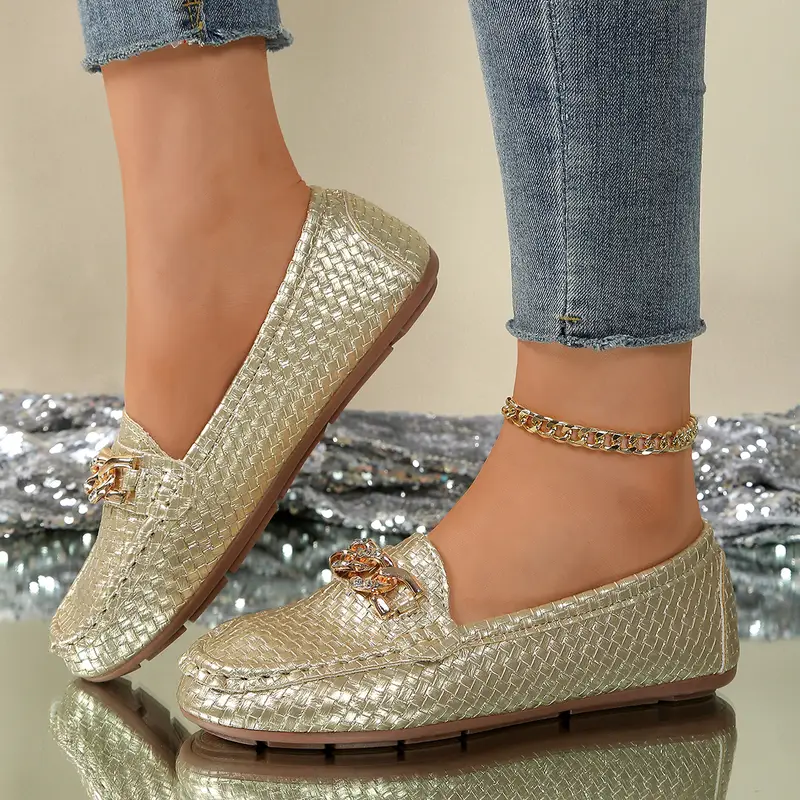
Have you ever picked up a pair of shoes in your usual size, only to find they felt completely different from the last pair you bought? It’s frustrating. I’ve had that happen more times than I can count, especially when shopping online. One brand fits perfectly, while another feels way too tight or oddly long.
The truth is, shoe sizing isn’t as straightforward as most people think. While there is an average shoe size for women, many factors can influence what fits comfortably. Height, genetics, age, and even where you live all play a role.
Let’s break it all down in a way that actually makes sense.
What Is the Average Shoe Size for Women?
The average shoe size for women in the United States is generally considered to be US size 8.5 to 9. Years ago, the average was closer to a size 7, but changing lifestyles, nutrition, and population trends have gradually shifted that number upward.
Of course, “average” doesn’t mean “normal.” Plenty of women wear sizes much smaller or much larger, and that’s completely expected.
Here’s a simple comparison:
| Region | Average Women’s Shoe Size |
| United States | 8.5–9 |
| United Kingdom | 6–7 |
| Europe | 39–40 |
| Australia | 8–9 |
These numbers are estimates because sizing standards vary between countries and manufacturers.
Why Women’s Shoe Sizes Have Changed
Our bodies have changed over generations. Better nutrition and overall health have contributed to people becoming taller than previous generations, and larger feet often come with increased height.
Other reasons include:
- Genetics
- Body proportions
- Ethnic background
- Pregnancy-related foot changes
- Aging and natural foot expansion
It’s actually common for women to go up half a size—or even a full size—later in life.
Height and Shoe Size
One question people ask all the time is whether taller women naturally have larger feet.
Usually, yes.
That doesn’t mean every tall woman wears a large size or every shorter woman has tiny feet. Human bodies don’t always follow neat patterns, but there is generally a connection between height and foot length.
Here’s a rough guide:
| Height | Common Shoe Size |
| 5’0″–5’3″ | 5–7 |
| 5’4″–5’7″ | 7.5–9 |
| 5’8″ and above | 9–11 |
Think of this as a trend rather than a rule.
Why Shoe Sizes Differ Between Brands
This catches almost everyone off guard.
You might wear an 8 in one brand, an 8.5 in another, and even a 9 in athletic shoes. That isn’t because your feet changed overnight.
Different companies use different shoe lasts—the molds used to shape shoes. Materials, toe box width, heel design, and intended use all affect how shoes fit.
That’s why reading customer reviews can be surprisingly helpful before buying online.
Foot Width Matters Just as Much
Many people focus only on length, but width can completely change how a shoe feels.
Common width options include:
- Narrow (N)
- Medium (M)
- Wide (W)
- Extra Wide (XW)
If shoes always feel tight across the toes but seem long enough, width may be the real issue rather than size.
A properly fitted wide shoe is usually much more comfortable than squeezing into a longer size.
How to Measure Your Feet Correctly
Getting an accurate measurement takes only a few minutes.
Measure at the End of the Day
Feet naturally swell after walking around all day. Measuring in the evening gives a more realistic fit.
Wear the Socks You Normally Use
If you’re buying sneakers, wear athletic socks. For boots, use thicker socks if that’s how you’ll wear them.
Measure Both Feet
Most people have one foot that’s slightly larger than the other. Buy shoes based on the larger foot for better comfort.
Leave a Little Room
Aim for about a thumb’s width between your longest toe and the front of the shoe.
That extra space makes walking much more comfortable.
Does Pregnancy Change Shoe Size?
It definitely can.
Pregnancy places additional weight and pressure on the feet while hormones loosen ligaments throughout the body. As a result, many women notice their arches flatten slightly, making their feet longer or wider.
For some, the change is temporary.
For others, it becomes permanent.
Tips for Finding Comfortable Shoes
Buying shoes shouldn’t feel like gambling.
A few habits can make shopping much easier:
- Try shoes on later in the day.
- Walk around before making a decision.
- Don’t rely only on the printed size.
- Check the brand’s sizing guide.
- Prioritize comfort over appearance.
I’ve seen people keep uncomfortable shoes simply because they looked great. Those shoes usually stay in the closet while the comfortable pair gets worn every week.
Common Myths About Women’s Shoe Sizes
Bigger Feet Don’t Mean Anything About Personality
People sometimes attach strange stereotypes to shoe size. There’s simply no scientific basis for them.
Your Size Isn’t Fixed Forever
Age, pregnancy, weight changes, and medical conditions can all affect foot size over time.
A Smaller Size Isn’t Better
Some people intentionally buy shoes that are too small because they prefer the number on the label.
That usually leads to discomfort, blisters, and foot problems—not better-looking feet.
Choosing the Right Fit Is More Important Than the Number
The average shoe size for women can be interesting to know, but it shouldn’t become something to compare yourself against.
The perfect shoe isn’t the one with the “right” size printed inside. It’s the one that lets you walk comfortably without pinching, rubbing, or making your feet ache by the end of the day.
Everyone’s feet are different, and that’s exactly how they’re supposed to be.
Frequently Asked Questions
What is the average shoe size for women in the US?
Most studies and retail data place it between US women’s size 8.5 and 9, although individual sizes vary widely.
Does height affect shoe size?
Generally, yes. Taller women often have larger feet, but there are plenty of exceptions.
Can my shoe size change as I get older?
Yes. Aging, pregnancy, weight fluctuations, and changes in foot structure can all increase shoe size over time.
Why do I wear different sizes in different brands?
Every manufacturer uses slightly different sizing standards and shoe shapes, so the fit isn’t always consistent.
Should I size up if my shoes feel tight?
Not necessarily. The issue could be the width rather than the length. Trying a wide-width version may provide a better fit than choosing a longer shoe.
Read More Informative Blogs: Here
