
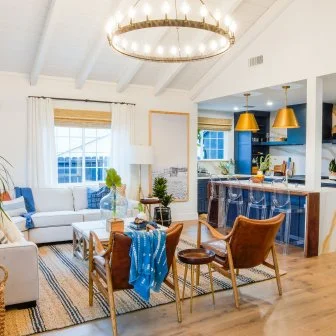
Have you ever walked into your own home and felt like something was missing? Not because it was messy or outdated, but because it no longer felt exciting. I remember staring at my living room one rainy afternoon, convinced I needed expensive furniture to fix it. Turns out, all I really needed was a fresh perspective. A few thoughtful changes made the space feel brand new, and my wallet survived the experience.
A beautiful home isn’t about following every trend. It’s about creating a place where you actually enjoy spending time. That’s what makes a home makeover worth the effort—it improves both the look of your space and the way you feel every day.
Why a Fresh Look Makes Such a Big Difference
Our surroundings affect our mood more than we often realize. A brighter room can make mornings feel easier, while a well-organized workspace helps you stay focused without even trying.
You don’t need to renovate the entire house. Sometimes moving furniture, changing the lighting, or repainting a wall is enough to create a noticeable difference.
Start With a Clear Plan
Before buying anything, spend a little time walking through each room.
Ask yourself:
- What feels outdated?
- Which areas are rarely used?
- Is the room comfortable for everyday life?
- What bothers you every time you walk in?
These answers usually point you in the right direction without wasting money on unnecessary purchases.
Set a Realistic Budget
A makeover doesn’t have to empty your savings account.
Divide your budget into categories such as:
- Paint and wall updates
- Furniture improvements
- Decorative accessories
- Lighting
- Storage solutions
Having limits actually makes decision-making easier.
Refresh the Walls
Walls take up the most visual space, so changing them has a surprisingly large impact.
Fresh paint is one of the most affordable upgrades. Soft neutrals create a calm atmosphere, while deeper colors can make a room feel warm and inviting.
If painting isn’t an option, consider:
- Peel-and-stick wallpaper
- Framed artwork
- Floating shelves
- Family photos
- Decorative mirrors
These small additions give the room personality without major construction.
Rearrange Before You Replace
Here’s something many people overlook.
Instead of buying new furniture immediately, try moving what you already own.
A sofa placed near natural light can completely change the feeling of a living room. Rotating an armchair into a reading corner or removing one bulky table may suddenly make the room feel larger.
It’s free—and sometimes surprisingly effective.
Upgrade Your Lighting
Poor lighting can make even a beautiful room feel dull.
Mix different types of lighting throughout your home:
- Ceiling fixtures for general brightness
- Table lamps for cozy evenings
- Floor lamps for dark corners
- Warm LED bulbs for a softer atmosphere
Natural daylight is even better, so avoid blocking windows with heavy curtains whenever possible.
Choose Decor That Feels Personal
The most inviting homes aren’t filled with expensive decorations.
They’re filled with meaningful ones.
Maybe it’s travel souvenirs, vintage books, handmade pottery, or framed memories. These details tell your story, and that’s something no showroom can copy.
Plants also deserve a mention. Even one healthy indoor plant can make a room feel more alive.
Don’t Overdecorate
There’s a fine line between stylish and crowded.
Leave some empty space on shelves and tables. Rooms breathe better when every surface isn’t covered with decorations.
Sometimes removing items creates a stronger visual impact than adding more.
Give the Kitchen Small Updates
A full kitchen renovation isn’t always necessary.
Simple improvements can include:
- Replacing cabinet handles
- Installing under-cabinet lighting
- Organizing open shelves
- Adding a colorful backsplash
- Changing the faucet
These updates modernize the space without requiring major work.
Make the Bedroom Feel Relaxing
Your bedroom should help you unwind, not remind you of unfinished chores.
Fresh bedding, softer lighting, matching bedside tables, and clutter-free surfaces instantly create a calmer environment.
If possible, keep work-related items out of the bedroom. Your mind will appreciate the separation.
Storage Can Be Beautiful
Storage doesn’t have to hide in closets.
Decorative baskets, wooden boxes, floating shelves, and stylish cabinets keep everyday items organized while adding character to the room.
Less clutter naturally makes a space feel larger and more peaceful.
Add Texture Instead of More Furniture
One mistake people often make during a home makeover is buying too many new pieces.
Texture usually delivers better results.
Try mixing:
- Linen curtains
- Soft rugs
- Knit blankets
- Velvet cushions
- Wooden furniture
- Woven baskets
The room gains warmth and depth without becoming overcrowded.
Don’t Forget Outdoor Spaces
If you have a balcony, patio, or small garden, treat it as another room.
A couple of comfortable chairs, outdoor lighting, and a few plants can turn an overlooked corner into your favorite place for morning coffee or evening conversations.
You don’t need much space to make it inviting.
Small Details Leave the Biggest Impression
People often notice little things first.
Fresh flowers on the dining table.
A welcoming doormat.
Matching cushions.
Neatly folded towels.
A pleasant candle scent.
Individually they’re simple, but together they create a home that feels thoughtfully cared for.
Creating a Space You’ll Love
A successful home makeover isn’t about copying magazine photos or chasing trends that disappear next season. It’s about making your home work better for your everyday life.
Take your time. Finish one room before moving to the next. Celebrate the small improvements because they add up faster than you think. And don’t worry if everything isn’t perfect. Homes with a little personality usually feel warmer than homes trying too hard to impress.
FAQs
How much should I budget for a home makeover?
That depends on your goals. Small cosmetic updates can often be completed with a modest budget, while larger renovations naturally cost more. Planning ahead helps avoid unnecessary spending.
What’s the easiest room to update first?
Most people begin with the living room or bedroom because simple changes like paint, lighting, and new textiles make an immediate difference.
Can I makeover my home without replacing furniture?
Absolutely. Rearranging furniture, improving lighting, adding plants, and updating decor can completely refresh a room without buying large items.
Which colors work best for most homes?
Neutral shades like warm white, beige, soft gray, and light taupe are timeless choices. You can always introduce bold colors through artwork, cushions, or decorative accessories.
How long does a typical home makeover take?
A single-room refresh may take just a weekend. Larger projects involving several rooms can be completed over a few weeks or months, depending on your schedule and budget.
Read More Informative Blogs: Here
