
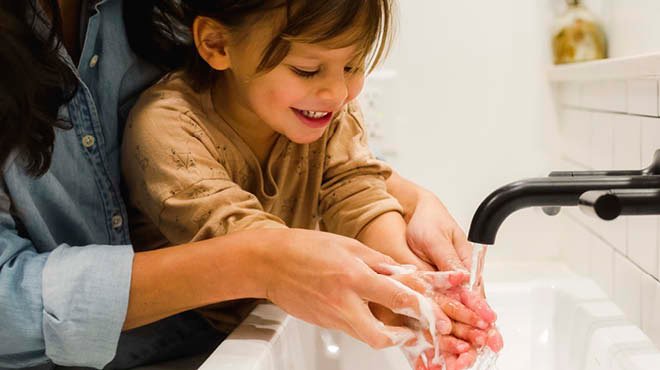
Hand washing is one of the simplest and most effective ways to maintain good hygiene and reduce the spread of germs. Throughout the day, our hands come into contact with door handles, phones, keyboards, food, surfaces, and other people, allowing bacteria, viruses, and other microorganisms to collect on the skin.
Washing your hands properly with soap and clean running water helps remove dirt and germs before they can enter the body or spread to others. Although it takes only a short amount of time, making proper hand hygiene part of your daily routine can play an important role in protecting your health, supporting a cleaner environment, and reducing the transmission of common infections at home, school, work, and public places.
Why Hand Washing Matters
Our hands are constantly exposed to the environment. Even when they look clean, they can carry microorganisms that may cause illness. Touching your face, eating, preparing food, or handling shared objects can transfer these germs from your hands to your mouth, nose, eyes, or other surfaces.
Regular hand washing helps break this chain of transmission. It is particularly important in places where people are in close contact, such as schools, workplaces, healthcare facilities, restaurants, public transportation, and households.
Good hand hygiene can also protect other people. When you wash your hands after coughing, sneezing, using the bathroom, or caring for someone who is sick, you can reduce the chance of spreading germs to family members, coworkers, and members of the community.
When Should You Wash Your Hands?
Knowing when to wash your hands is just as important as knowing how to do it. Important times include:
- Before, during, and after preparing food
- Before eating or handling food
- After using the toilet
- After changing a diaper or helping a child use the toilet
- After coughing, sneezing, or blowing your nose
- Before and after caring for someone who is sick
- After touching garbage
- After handling animals, animal food, or animal waste
- After coming home from a public place
- After touching potentially contaminated surfaces
- Before treating a cut or wound
- After removing gloves
These situations provide opportunities for germs to move from your hands to your body or from your hands to other people and surfaces.
How to Wash Your Hands Properly
Proper technique makes hand washing more effective. Simply putting your hands under water for a few seconds may not remove germs effectively.
Follow these steps:
1. Wet Your Hands
Place your hands under clean, running water. The water can be warm or cold. Once your hands are thoroughly wet, apply enough soap to cover all hand surfaces.
2. Create a Good Lather
Rub your hands together to create a lather. Make sure you clean the palms, backs of your hands, fingers, and areas around your fingernails.
3. Scrub Thoroughly
Continue rubbing your hands together for at least 20 seconds. Pay attention to areas that are often missed, including between the fingers, underneath the nails, and around the thumbs.
A simple way to keep track of the time is to quietly sing a short song or count to 20 while scrubbing.
4. Rinse Completely
Rinse your hands well under clean, running water. Make sure all soap and loosened dirt are removed.
5. Dry Your Hands
Dry your hands using a clean towel or an air dryer. Drying is an important final step because wet hands can transfer microorganisms more easily than dry hands.
Which Areas of the Hands Are Often Missed?
People do not always wash every part of their hands equally. The fingertips, thumbs, spaces between the fingers, and areas around the nails are commonly overlooked.
When washing your hands, deliberately move your fingers and thumbs so that soap reaches these areas. Pay particular attention to your fingertips because they frequently touch your face, food, phones, keyboards, and other objects.
Keeping fingernails reasonably short and clean can also make routine hand hygiene easier.
Is Soap Necessary for Hand Washing?
Yes. Soap is an important part of effective hand washing because it helps lift dirt, oils, and microorganisms from the skin so they can be rinsed away with water.
Regular soap is generally sufficient for routine hand hygiene. You do not necessarily need a specialized antibacterial soap for everyday hand washing.
The most important factors are using soap, covering all areas of the hands, rubbing them together thoroughly, rinsing well, and drying them properly.
What If Soap and Water Are Not Available?
Sometimes you may be away from a sink. In these situations, an alcohol-based hand sanitizer can be a useful alternative when your hands are not visibly dirty or greasy.
Choose a sanitizer containing at least 60% alcohol and apply enough to cover all surfaces of your hands. Rub your hands together until they are completely dry.
Hand sanitizer is convenient for situations such as traveling, shopping, using public transportation, or being outdoors. However, soap and running water remain the preferred option when your hands are visibly dirty or greasy and in certain situations involving particular types of contamination.
Hand Washing and Food Safety
Hand hygiene is especially important when preparing and eating food. Germs on your hands can move onto ingredients, utensils, kitchen surfaces, and ready-to-eat foods.
Wash your hands before preparing meals and before eating. You should also wash them after handling raw foods and after activities such as using the bathroom, touching garbage, or handling pets.
Good hand hygiene should be combined with other food-safety practices, including keeping preparation surfaces clean and preventing raw foods from contaminating foods that are ready to eat.
Common Hand Washing Mistakes
Even people who wash their hands regularly can make mistakes. Some common problems include:
- Washing for only a few seconds
- Using water without soap
- Missing the thumbs or fingertips
- Not cleaning between the fingers
- Rinsing too quickly
- Drying hands on a dirty towel
- Touching contaminated surfaces immediately after washing
- Washing only when hands visibly look dirty
Building a consistent routine can help avoid these mistakes.
Teaching Children Good Hand Hygiene
Children can learn effective hand washing when the process is made simple and consistent. Parents, caregivers, and teachers can demonstrate the correct technique and encourage children to wash their hands at important times, especially before meals and after using the toilet or playing outside.
Making hand washing part of a regular routine helps children understand that it is an everyday health habit rather than something they only need to do when their hands appear dirty.
Adults can also set a good example. Children are more likely to develop healthy habits when they regularly see the people around them practicing proper hand hygiene.
Why Consistent Hand Hygiene Is Important
Hand washing is not a complicated health practice, but consistency matters. A single proper hand wash can remove contamination picked up from everyday activities, while regular hand hygiene helps reduce opportunities for germs to spread.
The habit becomes especially valuable during periods when respiratory or gastrointestinal illnesses are circulating. Washing your hands at appropriate times can protect you while also helping reduce the chance of passing germs to people around you.
Key Takeaways
- Wash your hands regularly with soap and clean running water.
- Scrub all hand surfaces for at least 20 seconds.
- Do not forget your thumbs, fingertips, nails, and spaces between your fingers.
- Wash your hands before eating and preparing food.
- Wash them after using the bathroom, coughing, sneezing, handling garbage, or caring for someone who is sick.
- Use an alcohol-based hand sanitizer with at least 60% alcohol when soap and water are unavailable.
- Make proper hand hygiene a routine for the entire household.
Frequently Asked Questions About Hand Washing
How long should you wash your hands?
You should scrub your hands with soap for at least 20 seconds before rinsing them thoroughly with clean, running water.
Is hand sanitizer as effective as washing with soap and water?
Hand sanitizer can be a useful alternative when soap and water are unavailable, particularly when hands are not visibly dirty. A sanitizer containing at least 60% alcohol is recommended.
Can I wash my hands with cold water?
Yes. Both warm and cold running water can be used. The important steps are using soap, scrubbing thoroughly, rinsing, and drying.
Why should I wash my hands before eating?
Hands can pick up germs from surfaces and objects throughout the day. Washing them before eating helps reduce the chance of transferring those germs to food and then into your body.
Do I need antibacterial soap?
For everyday hand hygiene, regular soap is generally sufficient. Proper washing technique and consistency are more important than choosing a specialized antibacterial product.
What parts of the hands should I pay special attention to?
Pay particular attention to the palms, backs of the hands, between the fingers, thumbs, fingertips, and areas around and underneath the nails.
Why is drying hands important?
Drying removes remaining moisture and helps reduce the transfer of microorganisms that can occur more readily from wet hands.
Conclusion
Hand washing is a straightforward daily habit that can make a meaningful difference in personal and community hygiene. Washing with soap and clean running water, scrubbing thoroughly for at least 20 seconds, rinsing properly, and drying your hands can help remove germs picked up during everyday activities.
By practicing hand hygiene at the right times and teaching children to do the same, households, workplaces, schools, and public spaces can create healthier routines. The process takes little time, but making it a consistent part of everyday life is an important step toward reducing the spread of germs and maintaining better hygiene.
Learn More About: Infection Control Precautions
