
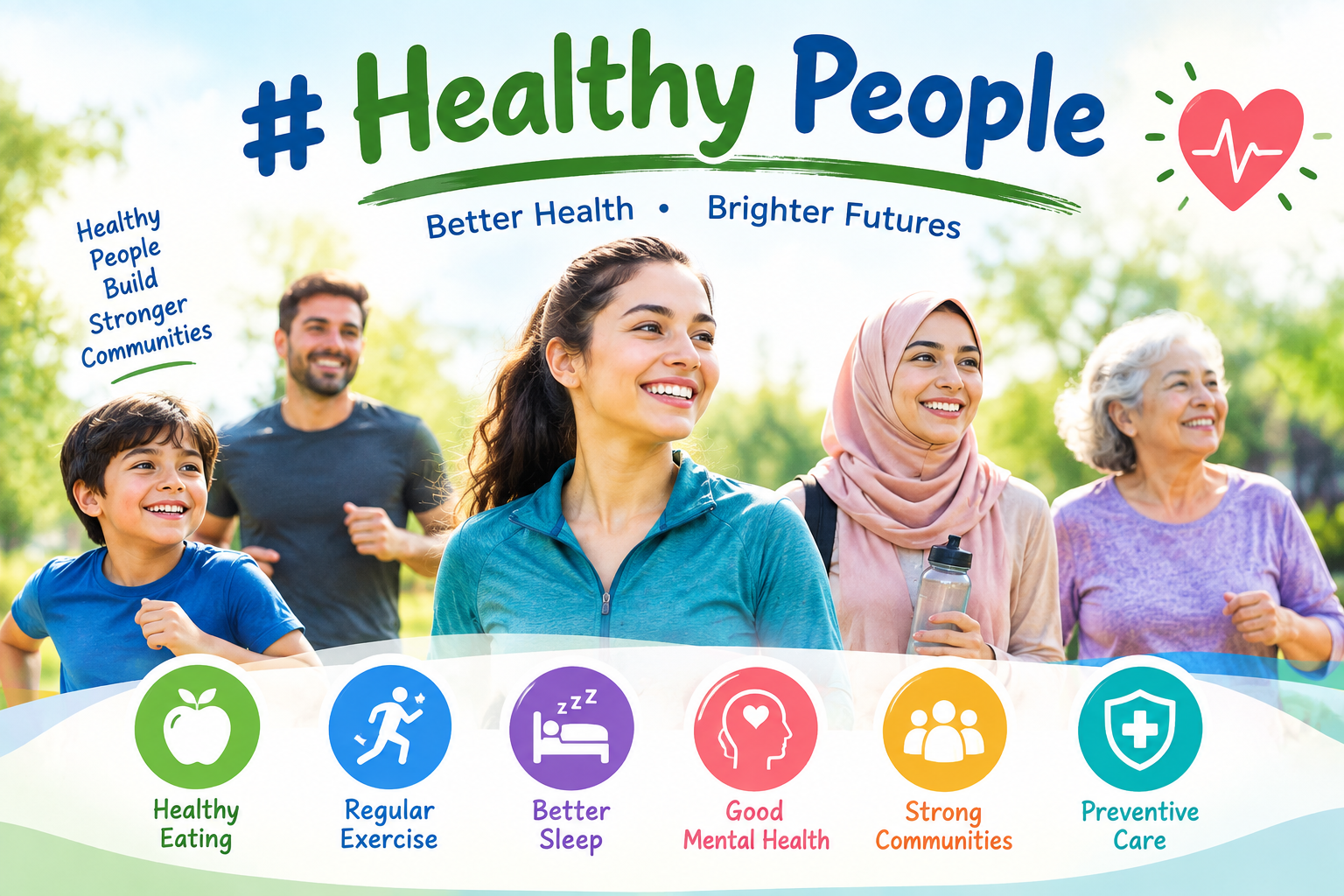
Being healthy is about much more than body weight or avoiding illness. Healthy people usually build everyday habits that support their physical health, mental well-being, energy, and ability to participate in daily life.
There is no single lifestyle that works perfectly for everyone. Age, genetics, culture, access to food, activity level, existing health conditions, and personal circumstances can all influence what a healthy lifestyle looks like. The World Health Organization (WHO) emphasizes that healthy diets, regular physical activity, and other preventive behaviors are important parts of long-term health.
The good news is that healthy living does not require extreme diets or complicated routines. Small, consistent choices can make a meaningful difference.
What Does It Mean to Be Healthy?
Health is multidimensional. A person may look physically fit but still struggle with poor sleep, chronic stress, or social isolation. Likewise, someone living with a health condition can still take meaningful steps toward better overall well-being.
A healthy lifestyle commonly includes:
- Eating a varied and nutritious diet
- Moving regularly throughout the day
- Getting sufficient, good-quality sleep
- Managing stress in healthy ways
- Maintaining supportive relationships
- Avoiding tobacco and harmful substance use
- Keeping recommended vaccinations and preventive care up to date
- Seeking medical advice when symptoms or concerns arise
Healthy living should focus on sustainable habits rather than perfection.
Healthy Eating Habits
Food provides the energy and nutrients the body needs for normal functioning, growth, repair, and daily activities. WHO describes a healthy diet using four broad principles: adequacy, balance, moderation, and diversity.
A balanced eating pattern can include:
- Vegetables and fruits
- Whole grains
- Beans, lentils, and other pulses
- Nuts and seeds
- Appropriate sources of protein
- Dairy or suitable alternatives
- Healthy sources of unsaturated fats
- Adequate water and other appropriate fluids
WHO recommends that people older than 10 years aim for at least 400 grams of fruits and vegetables per day and at least 25 grams of naturally occurring dietary fiber daily. Individual nutritional needs can differ, however.
Foods to Limit
Healthy people do not necessarily have to eliminate particular foods. Instead, an overall dietary pattern matters.
It is generally helpful to limit excessive amounts of:
- Added or free sugars
- Highly processed foods
- Foods high in sodium
- Saturated fats
- Industrial trans fats
- Sugar-sweetened beverages
For example, replacing a sugary drink with water and adding vegetables or legumes to a meal can be a simple improvement without requiring a restrictive diet.
Staying Physically Active
Regular movement is one of the foundations of a healthy lifestyle. Physical activity includes much more than going to a gym. Walking, cycling, dancing, sports, household activities, and active transportation can all contribute to daily movement.
WHO recommends that adults get 150–300 minutes of moderate-intensity aerobic activity per week, or an equivalent amount of vigorous activity. Adults should also perform muscle-strengthening activities involving major muscle groups on at least two days each week.
Regular physical activity is associated with benefits for cardiovascular health, blood pressure, type 2 diabetes risk, mental health, sleep, bone health, and healthy aging.
Simple Ways to Move More
You can increase activity without making your routine complicated:
- Take a walk after a meal.
- Use stairs when practical.
- Take short movement breaks during long periods of sitting.
- Try cycling, swimming, dancing, or another enjoyable activity.
- Add strength exercises to your weekly routine.
- Choose activities you are likely to continue consistently.
If you currently do very little activity, starting gradually can make the habit easier to maintain.
Getting Enough Quality Sleep
Sleep is another important part of overall health. A healthy lifestyle is not simply about eating well and exercising; recovery matters too.
Good sleep habits can include:
- Keeping a relatively consistent sleep and wake schedule
- Creating a comfortable, quiet sleeping environment
- Limiting stimulating activities close to bedtime
- Allowing enough time for sleep
- Addressing persistent sleep problems with a healthcare professional
Sleep needs vary by age and individual circumstances. Persistent difficulty sleeping, loud habitual snoring, breathing interruptions during sleep, or significant daytime sleepiness can warrant professional evaluation.
Supporting Mental and Emotional Health
Mental health is an important component of overall well-being. Healthy people may still experience stress, sadness, anxiety, or difficult periods. Being healthy does not mean feeling positive all the time.
Helpful strategies can include:
- Staying socially connected
- Spending time on enjoyable activities
- Taking regular breaks
- Practicing relaxation or mindfulness
- Maintaining physical activity
- Setting realistic daily goals
- Talking with someone you trust when you need support
If emotional symptoms are persistent, severe, or interfering with everyday life, professional support can be appropriate.
Preventive Healthcare Matters
Healthy habits are important, but prevention also involves healthcare. Routine medical and dental care can help identify certain health problems early and provide opportunities for vaccinations, screening, and personalized guidance.
Preventive care can include:
| Area | Why It Matters |
|---|---|
| Vaccinations | Helps protect against preventable infectious diseases |
| Health checkups | Provides opportunities to discuss health concerns |
| Screening tests | Can identify certain diseases or risks earlier |
| Dental care | Supports oral health and allows problems to be detected |
| Family health history | Helps healthcare professionals understand certain inherited risks |
The appropriate screenings and vaccines depend on factors such as age, sex, medical history, pregnancy status, occupation, travel, and country-specific recommendations. Therefore, people should discuss individualized preventive care with a qualified healthcare professional.
Avoiding Harmful Habits
Some behaviors can significantly increase health risks. Tobacco use, physical inactivity, poor nutrition, and excessive alcohol use are among the major modifiable risk factors for chronic disease identified by the CDC.
Avoiding tobacco is particularly important. People who smoke can benefit from quitting, regardless of how long they have smoked.
Other practical choices include:
- Avoiding exposure to tobacco smoke
- Following local guidance regarding alcohol
- Avoiding illegal drugs
- Using seat belts and helmets appropriately
- Following workplace and road safety practices
- Taking prescribed medicines according to professional instructions
Healthy Lifestyle Habits at a Glance
| Healthy Habit | Practical Example |
|---|---|
| Nutritious eating | Include vegetables, fruits, whole grains, and varied protein sources |
| Regular activity | Walk, cycle, exercise, or play sports throughout the week |
| Quality sleep | Maintain a consistent sleep routine |
| Mental well-being | Stay connected and manage stress constructively |
| Preventive care | Keep appropriate checkups, screenings, and vaccinations up to date |
| Avoid tobacco | Do not smoke or use tobacco products |
| Healthy relationships | Maintain supportive connections with family and friends |
| Safety | Use appropriate protective equipment and follow safety practices |
How to Start Living Healthier
Trying to change everything at once can make healthy habits difficult to maintain. Instead, start with one or two realistic changes.
A Simple 7-Day Starting Plan
Day 1: Add one extra serving of vegetables or fruit.
Day 2: Take a 20–30 minute walk if appropriate for your fitness level.
Day 3: Set a consistent bedtime.
Day 4: Replace one sugary drink with water.
Day 5: Take regular movement breaks during prolonged sitting.
Day 6: Spend time with someone who supports your well-being.
Day 7: Review your week and choose two habits to continue.
The goal is not to become perfect in seven days. The goal is to create habits that can realistically become part of your normal routine.
Key Takeaways
- Healthy people generally maintain a combination of physical, mental, and social health habits.
- A varied diet based on nutritious foods is an important part of healthy living.
- Adults should aim for regular physical activity throughout the week.
- Adequate, quality sleep supports overall well-being.
- Mental health deserves the same attention as physical health.
- Preventive healthcare, vaccinations, and appropriate screening can help protect health.
- Avoiding tobacco and other harmful behaviors can reduce health risks.
- Sustainable habits are usually more practical than extreme lifestyle changes.
- Individual health needs vary, so personalized medical advice may be necessary.
FAQs
1. What are the habits of healthy people?
Common healthy habits include eating a balanced diet, staying physically active, getting adequate sleep, managing stress, maintaining social connections, avoiding tobacco, and receiving appropriate preventive healthcare.
2. What should healthy people eat every day?
A healthy eating pattern can include a variety of vegetables, fruits, whole grains, pulses, nuts, seeds, and appropriate protein sources. The exact foods and portions should reflect individual nutritional needs and cultural preferences.
3. How much exercise should healthy adults get?
WHO recommends adults accumulate 150–300 minutes of moderate-intensity aerobic activity per week, or an equivalent amount of vigorous activity. Muscle-strengthening activities should also be performed at least twice a week.
4. Can healthy people still get sick?
Yes. Healthy habits can reduce the risk of many health problems, but they cannot guarantee that someone will never become ill. Genetics, infections, environmental factors, aging, and other circumstances can affect health.
5. Why are regular health checkups important?
Preventive visits can provide opportunities for vaccinations, appropriate screening, dental care, and discussions about health risks before problems become more serious. The exact preventive services needed vary by individual.
6. Is being thin the same as being healthy?
No. Body size alone does not fully describe a person’s health. Nutrition, physical activity, blood pressure, metabolic health, mental well-being, sleep, medical history, and other factors can all matter.
7. What is the easiest way to start a healthier lifestyle?
Start with a small change you can repeat consistently. For example, walk regularly, add more vegetables to meals, establish a better sleep routine, or reduce tobacco exposure. Once the habit becomes manageable, gradually build on it.
Conclusion
Being among healthy people is not about following a perfect diet, exercising every day, or never experiencing illness. Healthy living is better understood as a collection of sustainable choices that support the body and mind over time.
Eating a varied diet, moving regularly, sleeping well, caring for mental health, avoiding harmful habits, and staying up to date with appropriate preventive care can all contribute to better health. WHO and CDC guidance also emphasizes that individual needs differ, so healthy choices should be adapted to age, circumstances, culture, and medical needs.
The most useful approach is simple: choose realistic habits, practice them consistently, and seek professional guidance when you have specific health concerns.
Learn About: Woman and Health
