
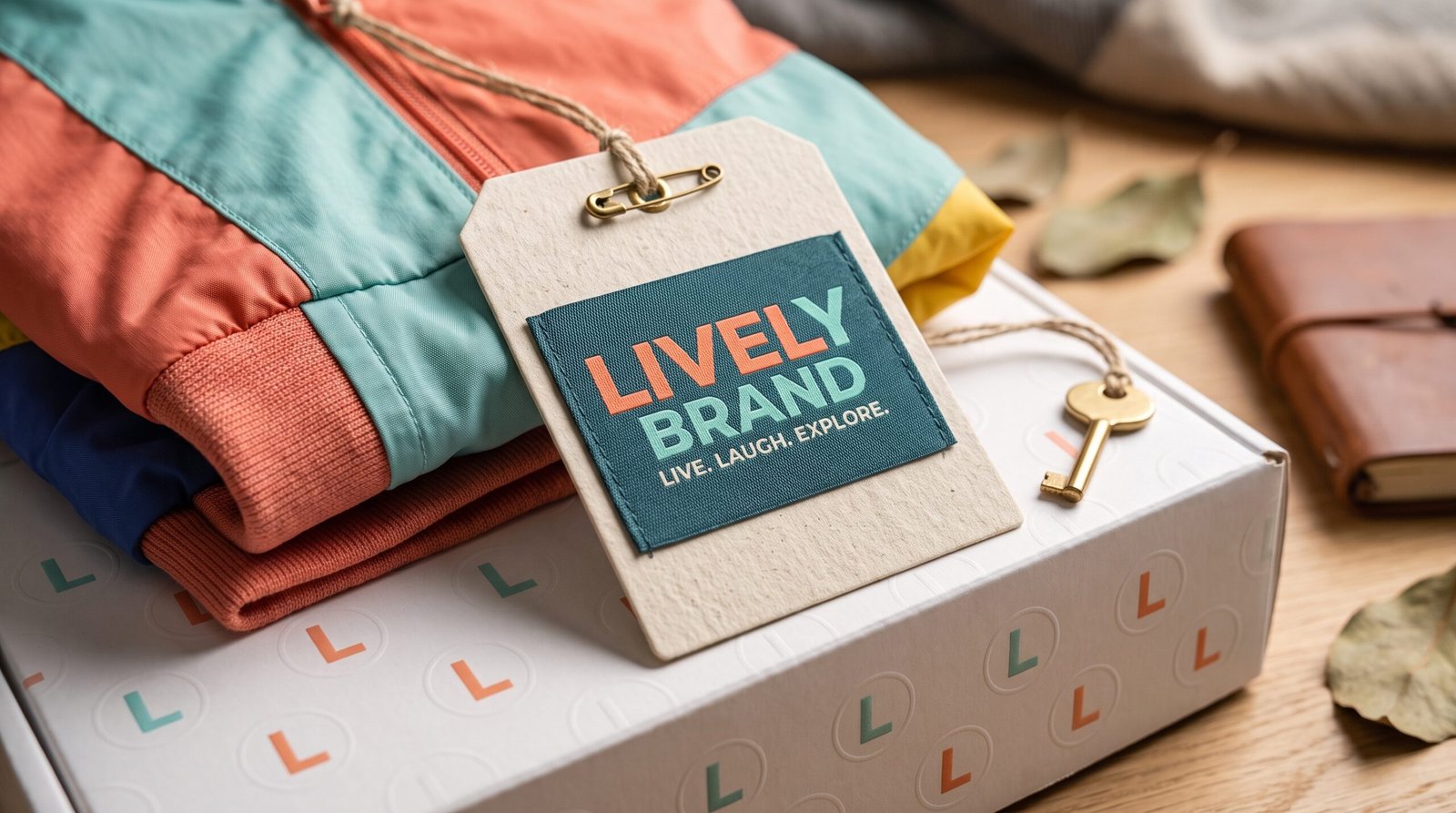
Have you ever come across a brand that simply feels different?
Not necessarily because it has the biggest logo or the loudest advertising. Sometimes it’s the small details — the colors, the way products are presented, the tone of its website, even the feeling you get when you open the packaging. That little spark can make a brand stick in your mind.
That’s where the idea behind a lively brand becomes interesting. A lively identity feels active, approachable, and full of personality. It doesn’t try too hard to impress people. Instead, it gives customers something they can recognize and remember.
What Makes a Brand Feel Lively?
A lively brand isn’t just about using bright colors or adding playful graphics. Those things can help, sure, but there’s more to it.
A brand feels lively when its personality comes through consistently. Think about a small coffee shop with handwritten notes on its cups, friendly staff, unusual seasonal drinks, and social media posts that actually sound like a person wrote them. You remember that place.
That same principle works for online businesses, fashion labels, food companies, beauty products, and even professional services.
Personality Matters
People don’t connect with a business simply because it sells something.
They connect with the story and personality around the product.
A confident voice, warm communication, interesting visuals, and a clear point of view can make an ordinary product feel much more memorable. The trick is not to copy whatever is trending. A brand needs its own character.
Visuals Should Feel Connected
Colors, fonts, photography, packaging, and logos all play a part in brand recognition.
But throwing ten different design ideas together usually creates confusion. A strong visual identity has a common thread. Customers should be able to see a social media post, product box, or website page and have a good idea of which company it belongs to.
That familiarity builds trust over time.
Why Brand Personality Can Influence Customer Choices
Think about your own shopping habits for a moment.
You’ve probably chosen one product over another because it felt more trustworthy, more attractive, or simply more “you.” Price matters, of course, but it isn’t always the deciding factor.
A lively identity can make that emotional connection easier.
When a company communicates naturally and gives customers a reason to care, people are more likely to remember it. They may share a post, recommend the product to a friend, or come back when they need something similar.
And those little actions can matter a lot for a growing business.
Building a Memorable Brand Without Going Overboard
There’s a fine line between having personality and trying desperately to look exciting.
A business doesn’t need neon colors, endless emojis, or a joke in every social media post. Sometimes a simple, confident design works better.
Start With a Clear Voice
Ask yourself how you want customers to feel when they interact with the business.
Friendly? Bold? Relaxed? Premium? Energetic?
Once that’s clear, your writing becomes much easier. Product descriptions, emails, advertisements, and social posts can all sound like they came from the same place.
Give Customers Something Real
People are surprisingly good at spotting empty marketing.
Instead of saying that a product is “the best ever,” explain what actually makes it useful. Show how someone might use it on a normal Tuesday. Mention the little problem it solves.
Real examples usually beat exaggerated claims.
Keep the Experience Consistent
A customer shouldn’t see a cheerful Instagram page and then receive a cold, confusing email after placing an order.
Every interaction shapes the brand.
From the first website visit to customer support and packaging, the experience should feel connected. It doesn’t have to be perfect. It just needs to feel intentional.
The Role of Social Media
Social platforms have changed how businesses show personality.
A polished product photograph still has its place, but people also like seeing behind-the-scenes moments, quick tips, customer stories, new product ideas, and the occasional imperfect photo.
That human side can make a lively brand feel much more approachable.
Of course, posting constantly isn’t the answer. A smaller number of useful, genuine posts can be more effective than filling someone’s feed with content that says very little.
Common Mistakes to Avoid
Building an energetic brand sounds simple until you actually have to do it.
One common mistake is trying to appeal to everyone. When a brand has no clear personality, its message often becomes bland.
Another issue is copying competitors too closely. You might borrow an attractive design trend, but if everything looks familiar, customers have little reason to remember you.
There’s also the problem of inconsistency. Changing your tone, colors, or messaging every few weeks makes the business harder to recognize.
And honestly, not every campaign needs to go viral. A brand that steadily earns trust from the right customers has something much more valuable than a short burst of attention.
A Simple Way to Strengthen Your Brand
If the current identity of your business feels a little flat, don’t rebuild everything overnight.
Start small.
Look at your website and ask whether it sounds like a real person. Check whether your images feel connected. Read a few customer reviews and notice the words people naturally use when describing your business.
Then make a few practical changes.
Maybe your product descriptions need more personality. Maybe your packaging could use a small detail customers remember. Or perhaps your social media needs less promotional content and more useful, everyday stories.
Those changes can add up.
FAQs
What does a lively brand mean?
A lively brand has a recognizable personality and an engaging customer experience. It often feels energetic, approachable, and memorable without relying only on flashy design.
Does a brand need bright colors to look lively?
Not at all. Color is only one part of visual identity. Photography, typography, language, packaging, and customer interactions can all create an energetic feel.
How can a small business develop a strong brand personality?
Start by deciding how you want customers to perceive the business. Choose a consistent tone of voice and visual style, then use them across your website, social media, packaging, and customer communication.
Is social media important for brand personality?
It can be. Social media gives businesses a chance to communicate more casually, share behind-the-scenes moments, answer questions, and show the people behind the company.
Can a professional business have a lively identity?
Definitely. Being lively doesn’t mean being childish or overly casual. A professional company can still have warmth, confidence, and a distinctive personality.
Final Thoughts
A memorable brand usually isn’t created by one clever slogan or one beautiful logo. It grows through hundreds of small experiences that tell customers what the business is really like.
The strongest identities feel natural. They have a point of view, speak to people like people, and give customers something worth remembering.
That’s the real appeal of a lively brand — not simply looking energetic, but creating an identity that feels alive whenever someone interacts with it.
Learn About: Feschon
