
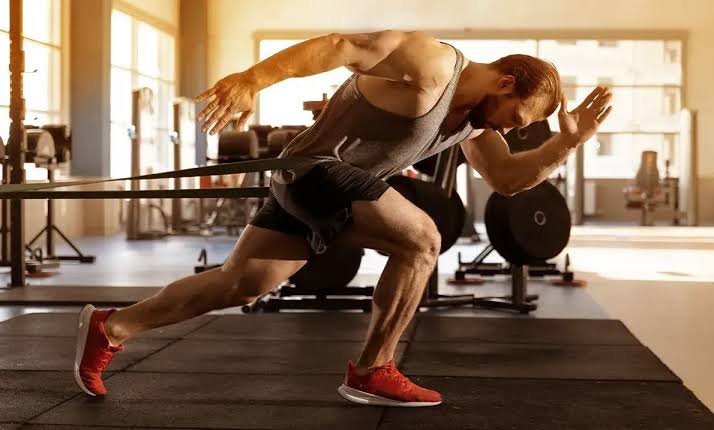
Have you ever finished a game, a long run, or even a tough workout and felt tired in a strangely satisfying way? That feeling is one of the best parts of staying active. Your shirt is soaked, your legs are complaining a little, but you know you’ve done something good for yourself.
That’s where sport fitness comes into the picture. It isn’t only about having visible muscles or running faster than everyone else. It’s about training your body to move better, recover properly, handle physical challenges, and keep going when things get difficult.
Whether you play football on weekends, enjoy cycling, lift weights at the gym, or simply want to feel stronger during your daily routine, fitness through sports can make a real difference.
What Is Sport Fitness?
Sport fitness is the combination of physical abilities that help a person perform well during sports and other demanding activities. It includes strength, endurance, speed, flexibility, balance, coordination, and agility.
A football player needs quick movement and stamina. A swimmer relies heavily on endurance and technique. Someone who plays tennis needs coordination, balance, speed, and explosive movement.
So there isn’t one perfect fitness routine for everyone.
Your training should match what you actually want to do.
That’s an important point because people sometimes copy workouts designed for professional athletes and wonder why they feel exhausted after a week. You don’t need to train like a professional to become fitter. You need a routine that fits your body, schedule, experience, and goals.
Why Fitness Matters for Sports and Everyday Life
Good fitness doesn’t stop helping when the game ends.
A stronger and better-conditioned body can make everyday tasks easier too. Carrying groceries, climbing stairs, walking for long periods, or spending a busy day on your feet can feel less demanding when your basic fitness improves.
Better Strength and Power
Strength training can help build stronger muscles and support everyday movement. For athletes, strength can also contribute to powerful actions such as jumping, sprinting, throwing, or changing direction quickly.
You don’t necessarily need heavy equipment. Bodyweight exercises such as squats, lunges, push-ups, and planks can be useful starting points.
Improved Cardiovascular Endurance
Ever noticed how difficult a sport feels when you’re out of breath after only a few minutes?
Cardio training helps your body handle sustained activity more efficiently. Running, swimming, cycling, brisk walking, and many team sports can improve cardiovascular endurance when performed consistently.
The key word is consistency. One brutal workout every few weeks won’t do much compared with manageable sessions you can actually stick with.
Greater Agility and Coordination
Sports often involve movements that don’t happen in a straight line.
You may need to stop suddenly, turn, jump, reach, or react to another player. Agility drills, balance exercises, footwork practice, and sport-specific training can help develop these abilities.
And honestly, this is where training can become fun. You’re not just counting repetitions. You’re teaching your body to respond.
How to Build a Practical Fitness Routine
A useful routine doesn’t have to take two hours a day.
If you’re starting from scratch, three or four well-planned sessions each week can be a reasonable place to begin. Give your body time to adjust instead of trying to make up for years of inactivity in a single week.
Start With a Warm-Up
Don’t jump straight into intense exercise.
Spend a few minutes getting your body ready with light movement, such as walking, easy jogging, dynamic stretches, or gentle mobility exercises. A proper warm-up can help you transition from rest to exercise more comfortably.
Combine Different Types of Training
A balanced routine usually includes more than one type of exercise.
You might combine:
- Strength training two or three times a week
- Cardio sessions such as running or cycling
- Mobility and flexibility work
- Sport-specific drills
- Rest or light recovery days
The exact mix depends on your sport and personal goals.
Someone preparing for a marathon will need a very different plan from someone training for recreational badminton.
Increase the Challenge Gradually
This is one of those things that sounds boring but matters a lot.
Don’t double your running distance just because you felt energetic one morning. Don’t suddenly add extremely heavy weights because your friend is lifting them.
Gradual progression gives your body time to adapt. You can increase distance, resistance, duration, or training difficulty little by little.
Nutrition and Hydration Matter Too
Exercise is only one piece of the fitness puzzle.
Your body needs enough food and fluids to support training and recovery. A balanced diet can include protein sources, whole grains or other carbohydrates, vegetables, fruits, healthy fats, and plenty of fluids.
Protein is particularly important for muscle repair and recovery, while carbohydrates can provide useful energy for many forms of exercise.
And don’t underestimate water. If you’re sweating heavily during a long workout or playing outdoors in hot weather, staying hydrated becomes even more important.
You don’t need an extreme diet. In fact, overly restrictive eating can make training harder and leave you feeling drained.
Recovery Is Part of Training
There’s a strange mindset in fitness where people sometimes think more exercise automatically means better results.
It doesn’t work that way.
Your body needs recovery. Sleep, rest days, light movement, stretching, and sensible training volume all have a place.
If your legs are constantly sore, your performance is dropping, and you’re feeling unusually exhausted, pushing even harder may not be the answer.
A good fitness plan should leave room for rest.
Listen to Small Warning Signs
Minor soreness after a new workout can be normal. Sharp pain, persistent discomfort, swelling, dizziness, or other concerning symptoms are different.
Don’t try to prove how tough you are by training through serious pain. Getting appropriate medical or professional advice is far better than turning a small problem into a long-term injury.
Sport Fitness for Beginners
Starting can feel awkward. Maybe you don’t know how to use the machines at the gym. Maybe running for ten minutes feels impossible. That’s completely fine.
Your starting point doesn’t need to impress anyone.
Begin with activities you enjoy and can repeat. A beginner might start with 20–30 minutes of brisk walking, simple strength exercises, and a recreational sport once or twice a week.
After a few weeks, you may notice small changes. Stairs don’t leave you as breathless. You recover faster after exercise. You can play longer before needing a break.
Those little improvements count.
Common Mistakes to Avoid
Trying to Do Too Much Too Soon
Motivation is great, but it can also get you into trouble. A sudden jump in training volume can increase fatigue and make injuries more likely.
Ignoring Technique
Doing an exercise badly just to complete more repetitions isn’t useful. Learn the basic movement first, then gradually increase the challenge.
Comparing Your Progress With Someone Else
Your friend may run five kilometres without stopping while you’re struggling with two. That doesn’t mean you’re failing.
People start with different fitness levels, bodies, schedules, and backgrounds.
Track your own progress instead.
Treating Rest as Laziness
Rest isn’t wasted time. It’s part of a sustainable training routine.
Making Sport Fitness a Long-Term Habit
The best routine is usually the one you’ll actually keep doing.
If you hate running, you don’t have to force yourself to run every morning. Try cycling, swimming, football, basketball, hiking, dancing, or another activity that keeps you moving.
You can also make exercise social. A weekly game with friends can be much easier to maintain than a workout you constantly have to convince yourself to do.
And give yourself some flexibility. Missing one workout doesn’t ruin your progress. Just get back to your routine when you can.
Final Thoughts
Building fitness through sport isn’t about chasing a perfect body or becoming the strongest person in the gym. It’s about becoming more capable and confident in the way you move.
Sport fitness works best when exercise, nutrition, recovery, and consistency are treated as parts of the same picture. Start at a level that makes sense for you, build gradually, and choose activities you genuinely enjoy.
Some days you’ll feel energetic. Other days, even getting started will feel like work. That’s normal.
What matters is showing up often enough for those small efforts to become a habit.
Frequently Asked Questions
What is sport fitness?
Sport fitness refers to the physical abilities needed for sports and active living, including strength, endurance, speed, flexibility, balance, coordination, and agility.
How often should beginners exercise?
Many beginners can start with around three days of structured exercise per week, depending on their current fitness level. Light activity such as walking can be added on other days.
Can I improve fitness without going to a gym?
Yes. Walking, running, cycling, swimming, sports, bodyweight exercises, and home workouts can all contribute to better fitness without a gym membership.
Is strength training useful for athletes?
Yes. Appropriate strength training can support muscle strength, power, movement quality, and physical performance. The exercises and training load should match the athlete’s sport and experience.
How important is rest in a fitness routine?
Rest is very important. Recovery allows the body to adapt to training and can help reduce excessive fatigue. A sensible program should include adequate sleep and recovery time.
What should I eat before exercising?
It depends on the activity, timing, and your individual needs. A balanced meal or snack containing carbohydrates and some protein can work well for many people. Avoid experimenting with unfamiliar foods immediately before an important competition.
How long does it take to see fitness improvements?
It varies from person to person. With regular training, some people notice changes in stamina, strength, energy, or movement within several weeks. Bigger changes generally require more time and consistency.
Learn About: Lifestyle Topics
