
Choosing how to organise a business is one of the first major decisions an entrepreneur needs to make. The structure you choose can influence how the business is managed, how profits are treated, what responsibilities owners have, and how easily the company can grow.
Understanding different business types and structures is especially important for new entrepreneurs. A freelancer working alone may need a simple structure, while two or more people starting a company together may consider a partnership. A growing business seeking outside investment may need a more formal structure.
There isn’t one structure that is automatically best for everyone. The right choice depends on your circumstances, location, industry, financial goals, and future plans.
This guide explains the major business structures, their advantages and disadvantages, and the factors you should consider before making a decision.
What Are Business Types and Structures?
Business types and structures refer to the different ways a business can be owned, organised, and legally operated.
A business type often describes what the company does or the general nature of its operation. A business structure focuses more specifically on its legal and ownership arrangement.
For example, a business might be:
- A retail business
- A service business
- An online business
- A manufacturing company
- A professional practice
- A franchise
That business can then operate under a particular legal structure, such as a sole proprietorship, partnership, or company.
Understanding this distinction helps entrepreneurs make more informed decisions when setting up a new venture.
Why Business Structure Matters
The structure of a business isn’t just a formality. It can affect several practical areas of running a company.
Liability
Some structures can provide owners with greater separation between personal and business liabilities, subject to applicable laws and circumstances.
Taxation
Different structures may be taxed differently. Tax rules vary significantly between countries and can also depend on the type of income and how owners receive money from the business.
Administration
Some structures are relatively simple to manage, while others require more formal records, reporting, or corporate procedures.
Ownership
If you’re starting a business alone, you have different options from someone launching a company with several partners or investors.
Growth
Your future plans also matter. A structure that works well for a small freelance operation may not be suitable if you eventually want multiple owners, external investors, or a large workforce.
Common Types of Business Structures
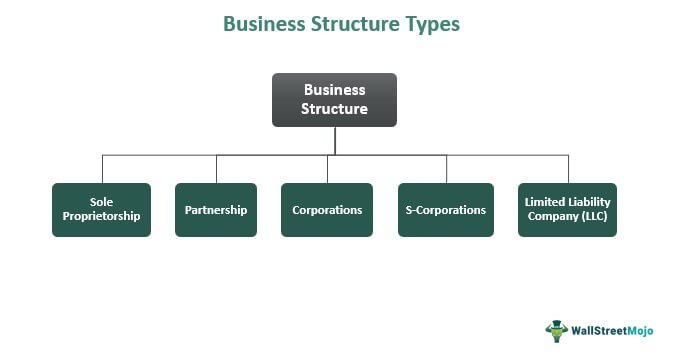
The exact names and rules vary by jurisdiction, but several structures are commonly used around the world.
| Business Structure | Typical Ownership | Main Consideration |
| Sole Proprietorship | One individual | Simple ownership, but personal liability may apply |
| Partnership | Two or more owners | Shared responsibilities and profits |
| Limited Liability Company | One or more owners | Liability separation under applicable law |
| Corporation | Shareholders | Formal structure suitable for larger or investment-focused businesses |
Before choosing one, always check the rules that apply in your country or state because similar structures can have different legal and tax treatment.
Sole Proprietorship
A sole proprietorship is one of the simplest ways for an individual to operate a business.
The owner generally manages the business directly and receives the profits after business expenses. Depending on local law, the owner may also be personally responsible for business obligations.
This structure can be attractive to:
- Freelancers
- Independent consultants
- Small service providers
- Home-based businesses
- Individual online sellers
Advantages
- Simple ownership
- Fewer formalities in many jurisdictions
- Direct control over decisions
- Straightforward day-to-day management
Disadvantages
- Personal liability may be significant
- Raising investment can be more difficult
- The business may depend heavily on one person
- Expansion can require restructuring
A sole proprietorship can work well for some small businesses, but entrepreneurs should understand the legal and financial responsibilities before choosing it.
Partnership
A partnership allows two or more people to operate a business together.
Partners may contribute money, skills, property, or other resources. They typically share responsibilities and profits according to their agreement and applicable law.
A written partnership agreement is particularly important because it can establish:
- Ownership percentages
- Profit-sharing arrangements
- Decision-making responsibilities
- Contributions from each partner
- Procedures for resolving disagreements
- What happens if a partner leaves
Benefits of a Partnership
Partnerships can combine different skills and resources. For example, one partner may specialise in marketing while another manages finance and operations.
Potential Challenges
Partners can disagree about spending, strategy, workload, or business direction. Liability can also depend on the specific partnership structure and jurisdiction.
For that reason, clear agreements and professional advice can be valuable.
Limited Liability Company
A limited liability company, commonly known as an LLC in the United States, combines some characteristics of a company with flexible management options.
One of its main attractions is the potential separation between the business and its owners for liability purposes, although this protection isn’t absolute.
An LLC may be suitable for:
- Small and medium-sized businesses
- Professional service businesses
- Online businesses
- Businesses with multiple owners
- Entrepreneurs seeking a more formal structure
The exact tax treatment and filing requirements vary by jurisdiction, so owners should check local rules before registering.
Corporation
A corporation is generally a more formal business structure.
Corporations can have shareholders, directors, and officers, depending on the jurisdiction. They are often used by businesses that expect significant growth or want to raise capital from investors.
Potential Benefits
- Separate legal entity in many jurisdictions
- Easier ownership transfer through shares
- Potential access to outside investment
- Suitable for larger organisations
Potential Drawbacks
- More administrative requirements
- Additional reporting
- More formal governance
- Potentially higher setup and maintenance costs
A corporation may make sense for a company with ambitious expansion plans, but it can be unnecessarily complex for a small one-person business.
Choosing the Right Structure
There are several questions entrepreneurs should ask before choosing among different business types and structures.
1. Are You Starting Alone?
If you’re the only owner, a sole proprietorship or single-owner company structure may be worth considering, depending on local laws.
2. Will You Have Partners?
If multiple people will own the business, consider how responsibilities, profits, decision-making, and liability will be handled.
3. How Much Liability Risk Exists?
Businesses operating in higher-risk industries may have different structural needs from low-risk consulting businesses.
4. How Important Is Simplicity?
A simple structure can reduce administrative work, but simplicity shouldn’t come at the expense of appropriate legal protection or long-term flexibility.
5. Do You Plan to Raise Investment?
If outside investors are part of your growth strategy, consider whether your chosen structure makes future investment practical.
Business Owners and Their Responsibilities
The people behind a business have responsibilities that go beyond simply making sales. Depending on the structure and jurisdiction, business owners may need to manage finances, taxes, employees, contracts, records, compliance, and customer relationships.
Successful owners also need to understand their market and make decisions based on reliable information rather than assumptions.
If you’re interested in learning more about the role and responsibilities involved in running a company, this helpful resource on business owners provides additional context for entrepreneurs who want to understand the responsibilities that come with owning and managing a business.
Business Structure and Growth
The structure that works at the beginning may not always remain appropriate as a company develops.
For example, imagine a freelance web designer who starts working alone. A simple structure may be sufficient at first. After several years, the business might hire employees, open an office, add partners, and seek external investment.
At that point, the owner may need to review whether the original structure still fits the company’s needs.
Consider reviewing your structure when:
- Revenue increases substantially
- New owners join
- You hire employees
- You seek investors
- You expand into new markets
- Your liability exposure changes
- Your business activities become more complex
A change in structure can have legal and tax consequences, so professional advice may be appropriate before making significant changes.
Common Mistakes to Avoid
Choosing Based Only on Setup Cost
The cheapest structure isn’t necessarily the best option over the long term.
Ignoring Liability
Owners should understand how business debts and legal obligations may affect them personally.
Failing to Plan for Growth
Think beyond the first year. Your future ownership and funding plans can influence the best structure.
Mixing Personal and Business Finances
Keeping business and personal financial records separate can make accounting and financial management much easier.
Not Reviewing the Structure
A business can change significantly over time. Review the structure when major changes occur.
How to Make a Better Decision
Before registering your business, create a simple comparison of your options.
Consider:
- Number of owners
- Liability exposure
- Tax treatment
- Administrative requirements
- Startup and ongoing costs
- Funding plans
- Business goals
- Future expansion
Then compare the available structures under the laws of your jurisdiction.
For complex situations, an accountant, lawyer, or qualified business adviser can help you understand the consequences of each option.
Key Takeaways
- Business types describe what a business does, while business structures describe how it is organised and owned.
- Common structures include sole proprietorships, partnerships, LLCs, and corporations.
- Each structure has different advantages, responsibilities, and potential limitations.
- Liability, taxation, administration, ownership, and growth plans should all be considered.
- A structure that works for a small business may not be ideal after significant growth.
- Written agreements are important when more than one person owns a business.
- Entrepreneurs should research the rules that apply in their own jurisdiction.
- Professional advice can be useful when the decision involves significant financial or legal consequences.
FAQs
1. What are the main business types and structures?
Common business structures include sole proprietorships, partnerships, limited liability companies, and corporations. The exact options depend on the country or jurisdiction.
2. Which business structure is best for a small business?
There is no universal answer. A sole proprietorship may suit some individual entrepreneurs, while others may benefit from a limited-liability or company structure. The decision depends on liability, taxes, ownership, administration, and future goals.
3. What is the simplest business structure?
A sole proprietorship is often considered one of the simplest structures for an individual owner, although registration and tax requirements still vary by location.
4. What is the difference between a sole proprietorship and a partnership?
A sole proprietorship generally has one owner, while a partnership involves two or more owners. Partnerships require clear agreements covering responsibilities, ownership, and profit sharing.
5. Why does business structure matter?
Business structure can influence liability, taxation, administration, ownership, reporting requirements, and the way a company can grow or raise capital.
6. Can a business change its structure later?
In many jurisdictions, businesses can change their legal structure, although the process and consequences vary. Changing structure can affect taxes, registrations, contracts, and legal responsibilities.
7. Should I choose a business structure based on future growth?
Yes. Future plans are an important consideration. If you expect to add partners, hire employees, seek investors, or expand significantly, consider how your initial structure will support those goals.
Conclusion
Understanding business types and structures gives entrepreneurs a stronger foundation for making one of the most important decisions involved in starting and managing a company. The right structure can support efficient administration, appropriate liability management, financial planning, and future growth.
There is no single option that works for every business. A freelancer may have different needs from a partnership, growing company, or investment-focused organisation. That’s why it’s important to consider ownership, risk, taxation, administration, funding, and long-term goals before making a decision.
Good planning can make this process easier. Before registering a new business, entrepreneurs can use a practical business plan template to organise their goals, target market, financial expectations, operations, and growth strategy.
Taking time to understand your options before choosing a structure can help you build a business foundation that supports both your current needs and your plans for the future.
